How to Optimize for AI Search Citation Clustering: Standing Out When Competitors Share Your Answer Slot
How to Optimize for AI Search Citation Clustering: Standing Out When Competitors Share Your Answer Slot
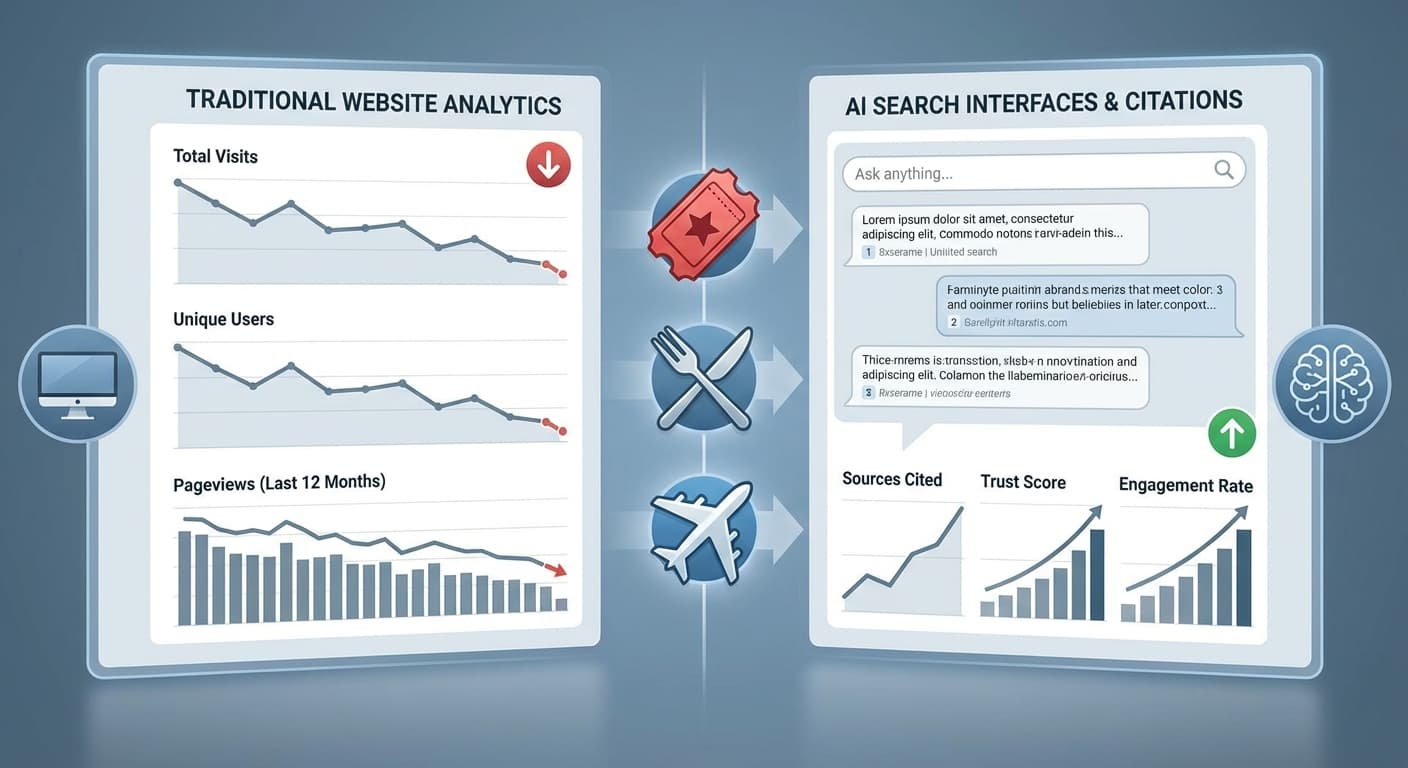
Ever searched for something on Perplexity or ChatGPT only to see three different brand logos clustered together in the same answer? Welcome to the reality of AI search in 2026, where citation clustering has become the norm rather than the exception. With AI search now accounting for over 35% of all search queries and platforms like ChatGPT serving 600+ million weekly users, the competition for citation visibility has intensified dramatically.
The challenge? Your carefully optimized content might get cited alongside two competitors in the same response, diluting your brand authority and confusing users about who deserves the credit. But here's the opportunity: understanding citation clustering dynamics can help you dominate these shared spaces and emerge as the primary authority.
Understanding AI Search Citation Clustering
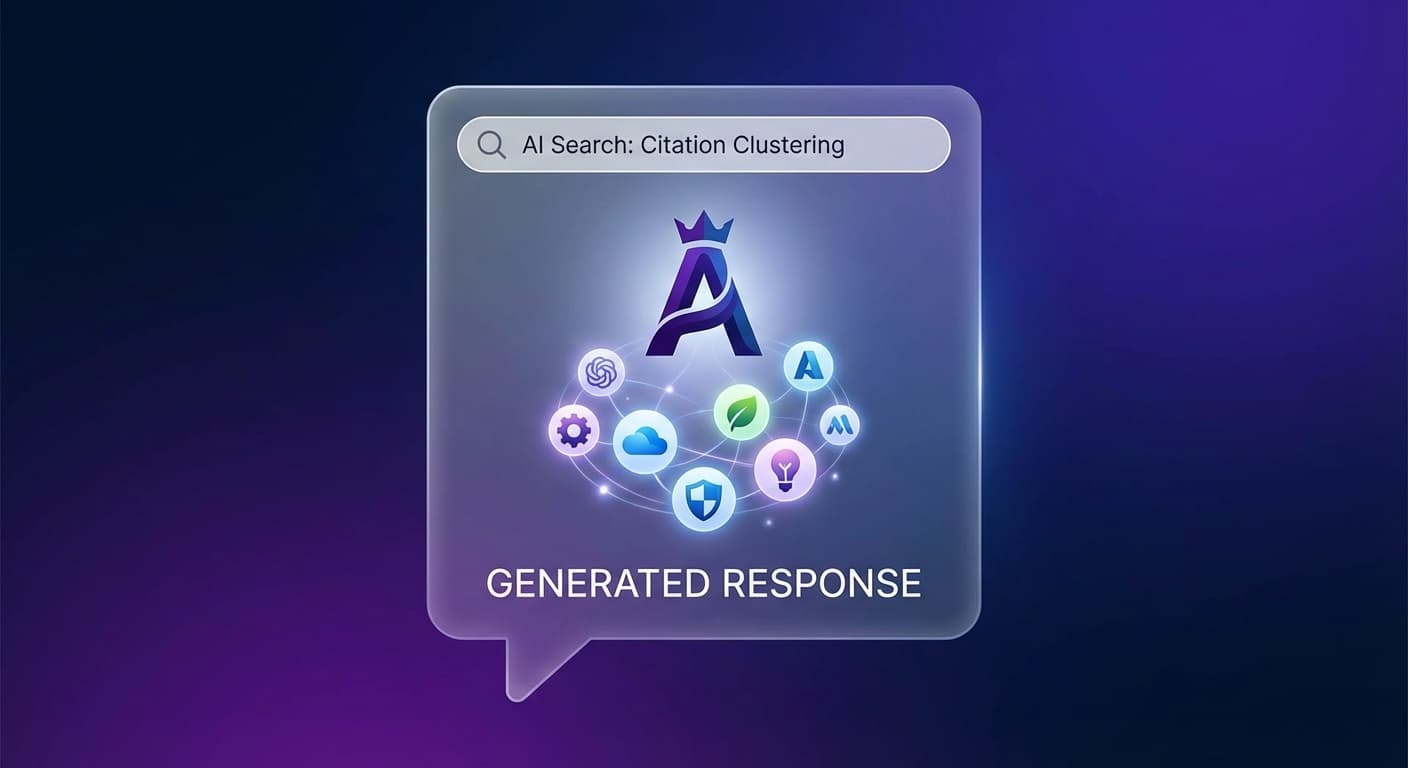
Citation clustering occurs when AI search engines pull information from multiple sources to construct a comprehensive answer. Instead of citing just one source, platforms like Claude, Gemini, and Perplexity often combine insights from 2-4 authoritative sources, displaying their logos or citations together.
This happens because:
Why Citation Clustering Matters More Than Ever in 2026
The stakes have never been higher. Recent data shows that:
The bottom line: Being cited isn't enough anymore. You need to dominate the cluster.
Strategies to Dominate Citation Clusters
1. Create Uniquely Comprehensive Content
While competitors focus on covering topics broadly, dive deeper into specific aspects that others miss. AI engines cluster sources partly to fill information gaps, so eliminating those gaps makes you indispensable.
Actionable tactics:
2. Optimize for Primary Citation Position
When multiple sources get clustered, there's usually a hierarchy. The primary citation typically:
How to achieve primary position:
3. Leverage Semantic Authority Clustering
AI engines often cluster sources based on semantic relationships and topical authority. By establishing authority across related subtopics, you increase your chances of being the primary source in clusters.
Implementation strategy:
4. Optimize Content Structure for AI Parsing
When AI engines cluster citations, they often pull different elements from different sources. Optimize your content structure to ensure the most important information gets highlighted.
Best practices:
5. Build Cross-Platform Citation Consistency
Different AI platforms have varying citation clustering behaviors. ChatGPT might cluster differently than Claude or Perplexity. Ensure your content performs well across all platforms.
Platform-specific considerations:
Advanced Clustering Optimization Techniques
Monitor Competitor Citation Patterns
Track when and why your competitors get cited alongside you. Look for patterns in:
Create Citation-Worthy Assets
Develop content assets specifically designed to be cited, such as:
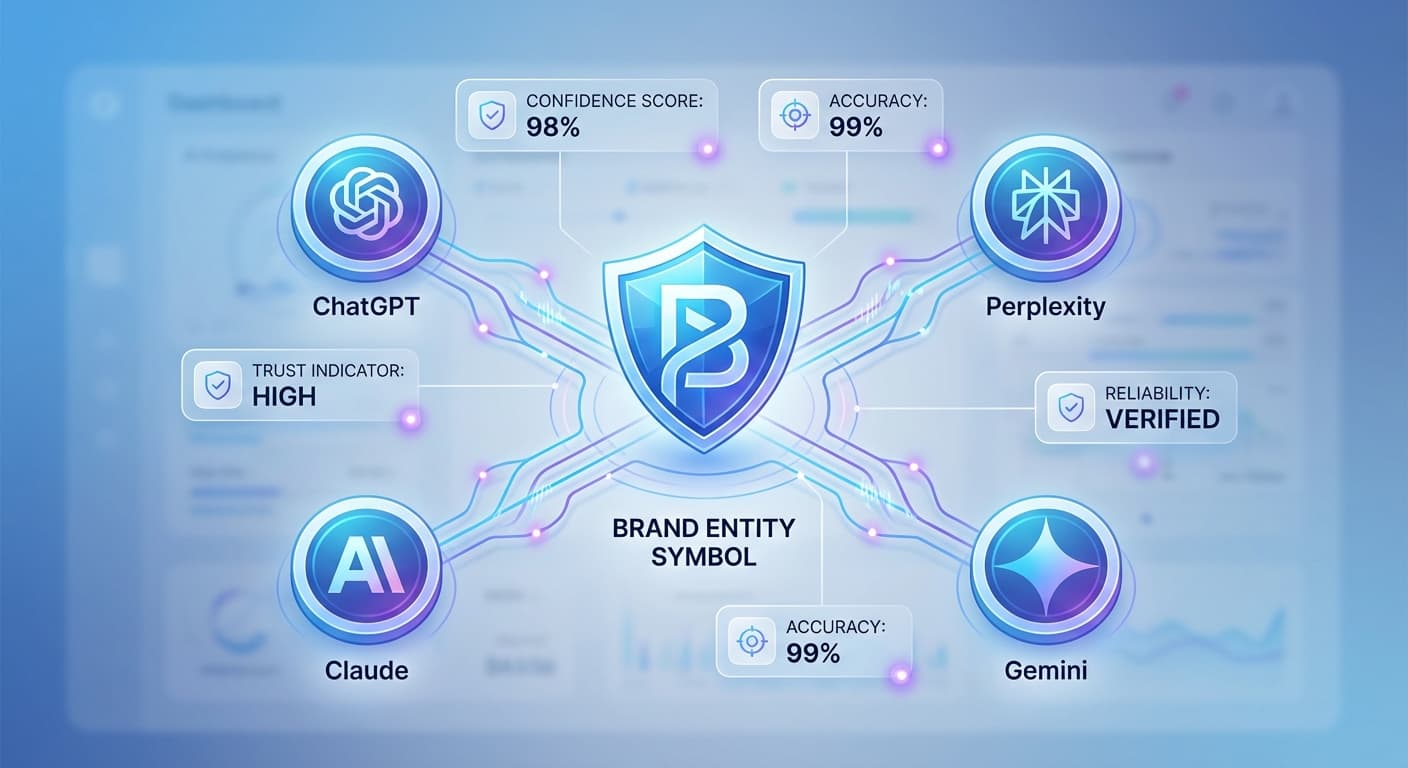
Optimize for Entity Recognition
Help AI engines understand your brand's unique value proposition within clusters:
How Citescope Ai Helps You Master Citation Clustering
Navigating citation clustering requires sophisticated analysis of how AI engines interpret and group content. Citescope Ai's GEO Score analyzes your content across five critical dimensions that directly impact clustering performance:
The Citation Tracker feature monitors when your content appears in clusters across ChatGPT, Perplexity, Claude, and Gemini, giving you real-time insights into your clustering performance and competitive positioning.
Measuring Citation Clustering Success
Track these key metrics to optimize your clustering strategy:
Primary Metrics:
Secondary Metrics:
Common Citation Clustering Mistakes to Avoid
Mistake 1: Ignoring cluster context
Optimizing content in isolation without considering what competitors are likely to be cited alongside you.
Mistake 2: Over-optimizing for single platforms
Focusing only on ChatGPT while ignoring citation patterns on Perplexity, Claude, and Gemini.
Mistake 3: Competing on identical angles
Creating content that's too similar to competitors, guaranteeing you'll be clustered without differentiation.
Mistake 4: Neglecting update frequency
Failing to refresh content regularly, allowing competitors to gain citation hierarchy through recency signals.
The Future of Citation Clustering
As AI search continues evolving, citation clustering will become more sophisticated. We're already seeing developments in:
Ready to Optimize for AI Search?
Citation clustering represents both a challenge and an opportunity. While sharing citation space with competitors might seem like dilution, mastering clustering dynamics can actually amplify your brand authority and reach.
Citescope Ai provides the tools and insights you need to not just participate in citation clusters, but dominate them. Our GEO Score analysis helps you understand exactly how AI engines interpret your content within competitive contexts, while our Citation Tracker monitors your clustering performance across all major AI platforms.
Ready to turn citation clustering into your competitive advantage? Start your free trial today and discover how to make your content the primary authority in every cluster where it appears.