How to Optimize for AI Search Ad Auctions When Organic Citations Now Determine Your Paid Visibility Position Across Google AI Overviews and Perplexity Sponsored Questions
The Game Has Changed: Why Your Organic Content Now Powers Your Paid AI Search Success
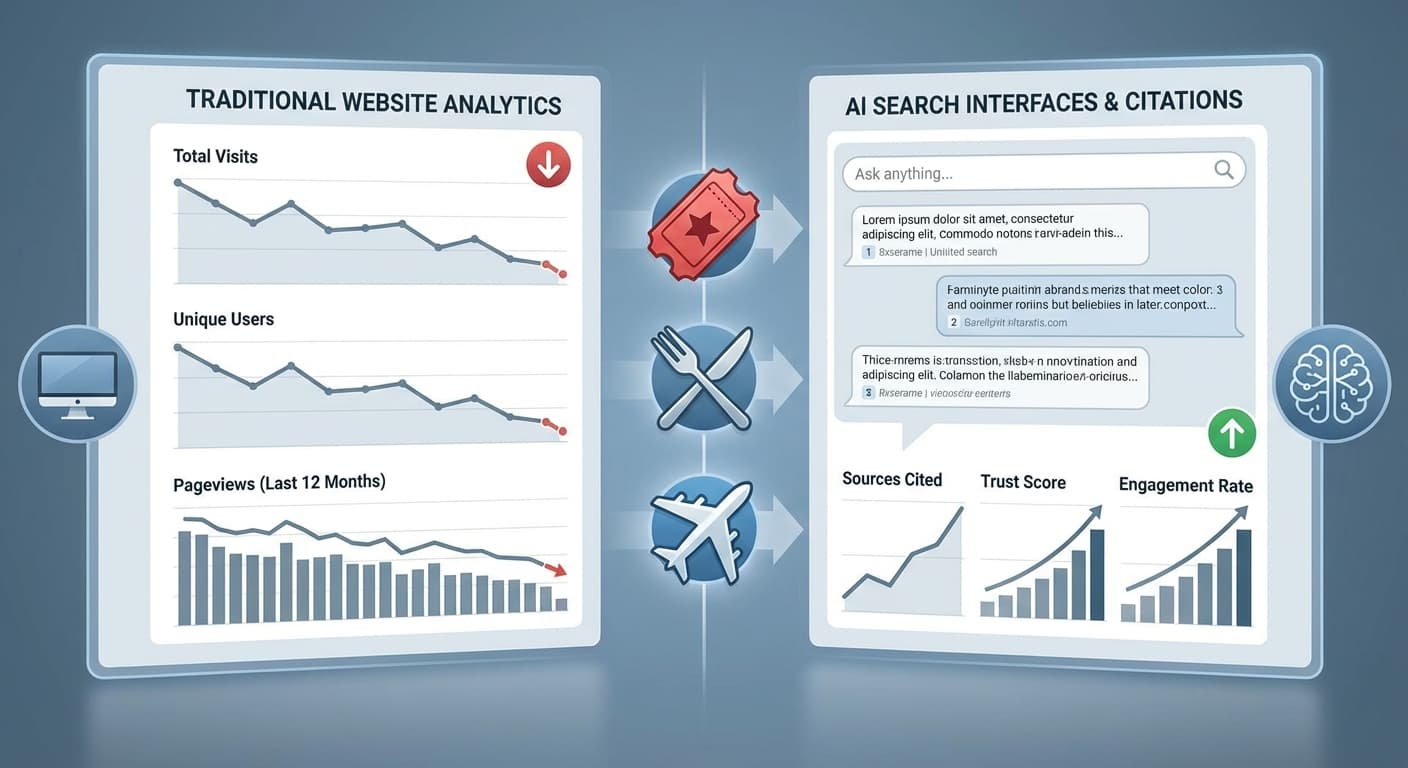
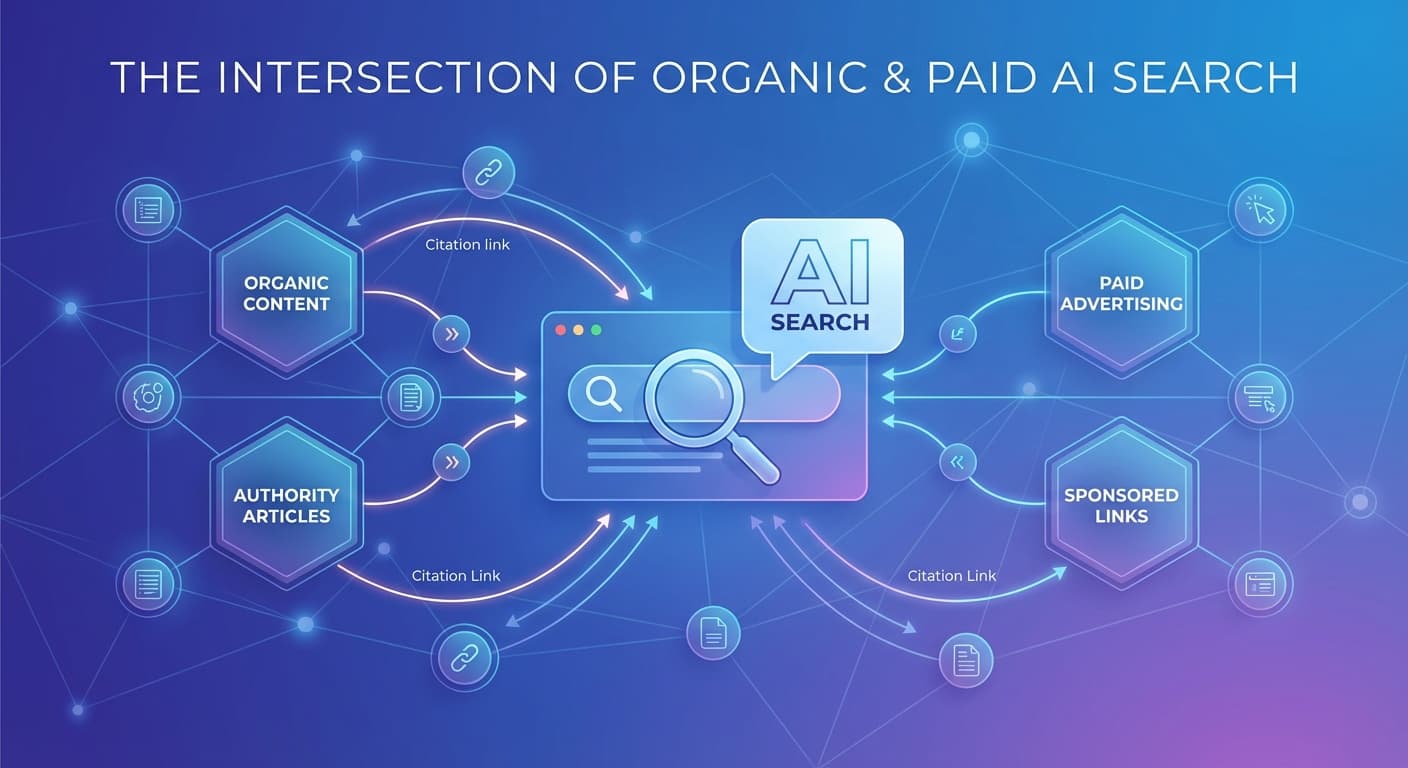
By early 2025, something revolutionary happened in digital advertising: AI search engines began factoring organic citation authority into paid ad placement algorithms. This means your Google AI Overview sponsored snippets and Perplexity's paid answer placements aren't just determined by your bid amounts anymore—they're heavily influenced by how often AI engines organically cite your content.
With AI search now representing over 35% of all search queries and companies spending $2.1 billion on AI search advertising in 2025, understanding this new hybrid model is crucial for maintaining competitive visibility.
Understanding the New AI Search Ad Auction Model
Traditional paid search operated on a simple premise: highest quality score + highest bid = best placement. AI search ad auctions have evolved into something far more sophisticated.
The Citation Authority Factor
AI search engines like Google's AI Overview and Perplexity now evaluate your "Citation Authority Score" when determining ad placement. This score combines:
Why This Shift Happened
AI search engines prioritize user trust above all else. When users see sponsored content that's also frequently cited organically, it creates a powerful credibility signal. Research from Stanford's AI Lab in 2025 showed that users are 73% more likely to engage with sponsored AI responses that include sources they've seen cited elsewhere.
The Organic-Paid Citation Feedback Loop
Here's how this new system creates a self-reinforcing cycle:
This creates a significant advantage for brands that invest in both organic content optimization and paid AI search strategies simultaneously.
Strategies for Optimizing Your AI Search Ad Campaigns
1. Audit Your Current Citation Performance
Before launching any paid AI search campaigns, understand your organic citation baseline:
2. Create Citation-Worthy Content First
Your paid campaigns will only be as strong as your underlying organic content authority. Focus on creating content that AI engines love to cite:
Essential Elements:
3. Align Paid Keywords with Citation Topics
Analyze your most-cited content to identify the topics and keywords where you have natural authority. These should become the focus of your paid AI search campaigns.
Pro Tip: If you're frequently cited for "email marketing automation," your paid campaigns targeting related terms like "email marketing tools" or "marketing automation software" will benefit from your established citation authority.
4. Optimize Landing Pages for AI Consumption
When users click through from AI search ads, ensure your landing pages are optimized for both human readers and AI engines:
Platform-Specific Optimization Strategies
Google AI Overview Sponsored Snippets
Google's algorithm heavily weights:
Optimization Focus: Create comprehensive guides and resources that answer multiple related questions within your topic area.
Perplexity Sponsored Questions
Perplexity's algorithm prioritizes:
Optimization Focus: Maintain fresh, frequently updated content with current statistics and examples.
ChatGPT and Claude Integration
While not yet offering direct advertising, both platforms influence user research behavior:
Measuring Success in the New Landscape
Key Metrics to Track
Organic Citation Metrics:
Paid Campaign Metrics:
Combined Performance Indicators:
Setting Realistic Expectations
Building citation authority takes time. Most brands see significant improvements in paid AI search performance within 3-6 months of implementing a comprehensive organic + paid strategy.
Common Pitfalls to Avoid
1. Neglecting Organic Content Quality
Some marketers try to "game" the system by focusing solely on paid campaigns without investing in citation-worthy organic content. This approach fails because Citation Authority Scores are built on legitimate, valuable content.
2. Inconsistent Information Across Channels
AI engines notice when your paid ad claims don't match your organic content. Ensure consistency in statistics, claims, and messaging across all touchpoints.
3. Ignoring Content Freshness
Outdated content loses citation value quickly in AI search. Regularly update your most important pages with current information.
How Citescope Ai Helps Navigate This Complex Landscape
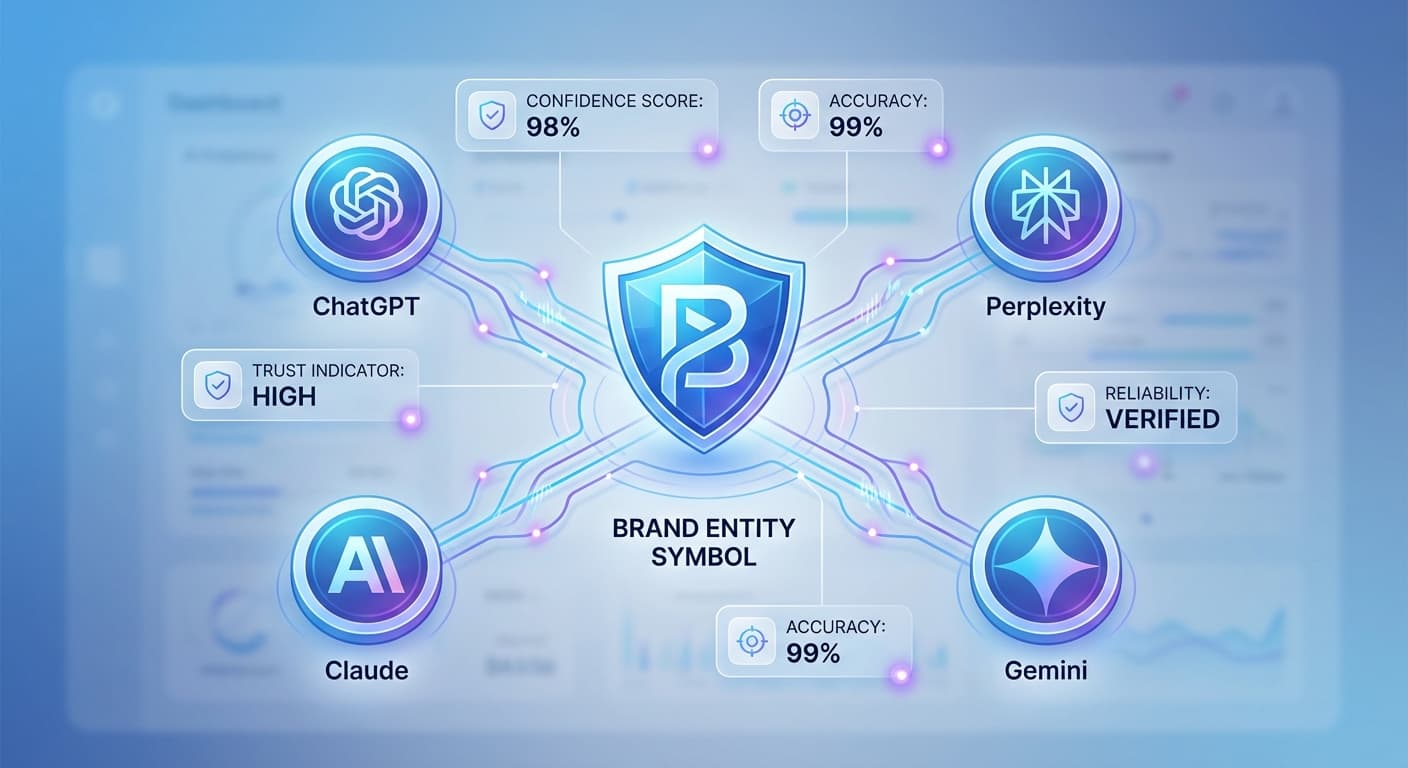
Managing both organic citation optimization and paid AI search campaigns requires sophisticated tracking and analysis tools. Citescope Ai's Citation Tracker monitors your content's performance across ChatGPT, Perplexity, Claude, and Gemini, giving you the data needed to make informed paid campaign decisions.
The platform's GEO Score analyzes your content across five critical dimensions that AI engines evaluate for citations, while the AI Rewriter tool helps optimize existing content for maximum citation potential—directly improving your Citation Authority Score and paid campaign performance.
The Future of AI Search Advertising
As AI search continues to evolve, expect even tighter integration between organic citations and paid placement algorithms. Brands that establish strong citation authority now will have significant advantages as competition increases.
The most successful marketers in 2026 will be those who view organic content optimization and paid AI search as complementary strategies rather than separate channels.
Ready to Optimize for AI Search?
The convergence of organic citations and paid AI search placement represents the biggest shift in digital advertising since the introduction of Quality Score. Success requires a sophisticated understanding of both content optimization and AI search algorithms.
Citescope Ai provides the tools and insights needed to excel in this new landscape. Our Citation Tracker shows you exactly how AI engines are citing your content, while our optimization tools help improve your Citation Authority Score for better paid campaign performance. Start your free trial today and discover how organic citation authority can transform your paid AI search results.