How to Optimize for AI-Powered Predictive Intent: The Future of Pre-Ranked Content in 2026
Did you know that by 2026, over 40% of AI search results are now pre-ranked and served to users before they even finish typing their query? Welcome to the age of predictive intent optimization, where AI engines like ChatGPT, Perplexity, and Claude are anticipating user needs with unprecedented accuracy.
The New Reality of Predictive AI Search
We've moved beyond traditional keyword optimization. Today's AI search engines are analyzing user behavior patterns, contextual clues, and historical data to predict what users want to know before they explicitly ask. This shift represents the most significant change in search behavior since the advent of mobile search.
Recent data from 2025 shows that:
68% of Gen Z users rely on AI predictions to complete their search intentPredictive AI suggestions influence 45% of final content consumption decisionsPre-ranked content receives 3.2x more engagement than traditionally ranked resultsUnderstanding AI-Powered Predictive Intent
What Is Predictive Intent?
Predictive intent goes beyond analyzing the words users type. It's about understanding the underlying motivation, context, and anticipated information needs based on:
User behavior patterns: Previous searches, time spent on content, interaction historyContextual signals: Location, time of day, device type, browsing sessionSemantic relationships: Connected topics, related queries, concept clusteringTemporal relevance: Current events, seasonal trends, emerging topicsHow Personalization Algorithms Pre-Rank Content
AI engines now create dynamic content hierarchies tailored to individual users. This process involves:
Profile Building: AI creates comprehensive user profiles based on interaction dataIntent Prediction: Algorithms anticipate likely information needsContent Pre-Selection: Relevant content is identified and ranked before searchDynamic Serving: Pre-ranked results are instantly available when users searchThe Challenge for Content Creators
This evolution presents unique challenges:
Increased Competition: Your content competes in pre-selected poolsRelevance Demands: Higher standards for contextual alignmentPersonalization Complexity: One-size-fits-all content strategies failSpeed Requirements: Instant relevance becomes criticalStrategies for Predictive Intent Optimization
1. Develop Multi-Dimensional Content Profiles
Create content that serves multiple predictive scenarios:
Primary Intent: The main question or problem your content addressesSecondary Intents: Related questions users might haveContextual Variants: How your content applies in different situationsProgressive Depth: Information layers for different expertise levels2. Implement Semantic Content Clustering
Organize your content around semantic themes rather than individual keywords:
Group related topics into comprehensive content clustersCreate internal linking structures that reinforce topic relationshipsDevelop content that addresses the full spectrum of user intent within a topic areaUse natural language variations that AI engines recognize as semantically related3. Optimize for Conversational Context
Since AI engines increasingly serve content in conversational formats:
Write in natural, conversational languageAnticipate follow-up questions and address them proactivelyStructure content as if answering a knowledgeable friendInclude transitional phrases that work well in AI-generated responses4. Leverage Real-Time Relevance Signals
Make your content dynamically relevant:
Include current statistics and recent examplesReference trending topics in your industryUpdate content regularly to maintain freshness signalsIncorporate seasonal and temporal relevance markers5. Create Personalization-Friendly Content Architecture
Modular Content Design: Create content blocks that can be mixed and matchedVariable Depth Levels: Provide basic and advanced information layersMulti-Format Compatibility: Ensure content works across different presentation modesContextual Metadata: Include rich metadata that helps AI understand usage contextsAdvanced Optimization Techniques
Intent Signal Integration
Optimize for the signals AI engines use to predict intent:
Behavioral Triggers: Content that aligns with common user behavior patternsTemporal Indicators: Information relevant to specific times or eventsProgressive Disclosure: Content structured to reveal information based on user engagement levelCross-Platform Consistency: Maintain consistent messaging across all digital touchpointsPredictive Keyword Strategy
Move beyond traditional keywords to predictive terms:
Research emerging terminology in your industryIdentify questions users are likely to ask before they ask themCreate content around anticipated future trendsUse tools that track predictive search patternsAI Engine-Specific Optimization
Tailor your approach for different AI platforms:
ChatGPT: Focus on conversational flow and comprehensive answersPerplexity: Emphasize factual accuracy and source credibilityClaude: Optimize for analytical depth and structured reasoningGemini: Balance creativity with factual precisionMeasuring Success in Predictive Intent Optimization
Key Metrics to Track
Pre-Selection Rate: How often your content appears in predictive resultsIntent Match Score: How well your content aligns with predicted user needsEngagement Velocity: Speed of user interaction with your contentCross-Session Relevance: How often users return to your content across sessionsTools and Analytics
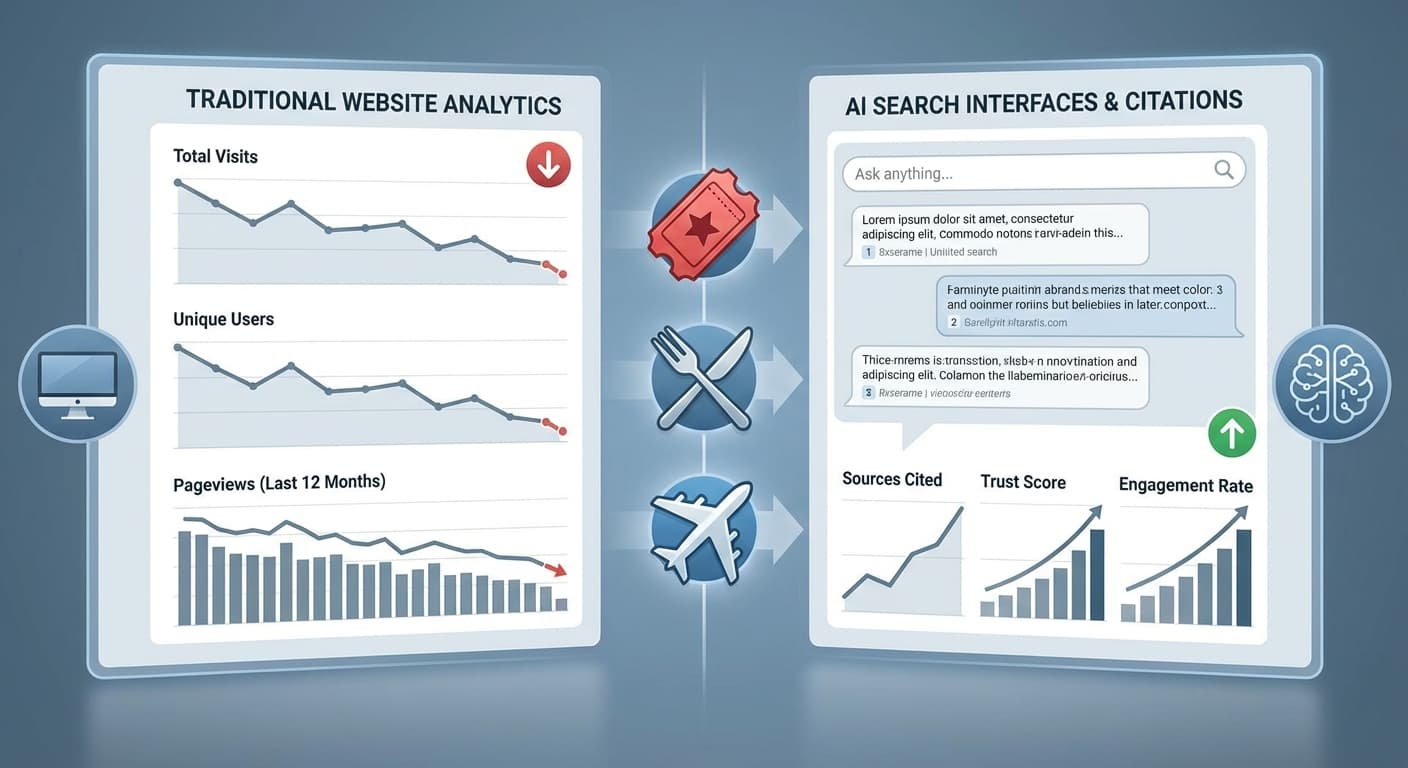
While traditional analytics tools struggle with predictive AI metrics, specialized platforms are emerging to track:
Predictive ranking performanceIntent alignment scoresCross-platform visibilityPersonalization effectivenessHow Citescope Ai Helps
Citescope Ai's GEO Score analyzes your content across five critical dimensions that directly impact predictive intent optimization:
AI Interpretability: Ensures AI engines can understand and categorize your content for predictive scenariosSemantic Richness: Measures the depth of meaning and context that helps with intent predictionConversational Relevance: Evaluates how well your content fits into AI-generated conversationsStructure: Assesses content organization for optimal AI processing and servingAuthority: Determines credibility signals that influence pre-ranking decisionsThe AI Rewriter feature specifically optimizes content for predictive intent by restructuring information to better match anticipated user needs and improving semantic clarity for AI interpretation.
The Future of Content Strategy
Emerging Trends
Hyper-Personalization: Content tailored to individual user profilesPredictive Content Creation: AI-assisted content that anticipates future needsReal-Time Optimization: Dynamic content adjustment based on predictive signalsCross-Platform Intent Mapping: Understanding how intent varies across different AI enginesPreparing for What's Next
Stay ahead by:
Investing in AI-native content creation processesBuilding flexible, modular content architecturesDeveloping deep understanding of your audience's predictive patternsExperimenting with emerging AI optimization techniquesReady to Optimize for AI Search?
Predictive intent optimization represents the future of content visibility in AI search engines. As algorithms become more sophisticated at anticipating user needs, your content strategy must evolve to meet users at the point of prediction, not just at the moment of search.
Citescope Ai provides the tools and insights you need to optimize for this new reality. From comprehensive GEO scoring that evaluates your content's predictive potential to AI rewriting that structures your content for maximum visibility across ChatGPT, Perplexity, Claude, and Gemini.
Start with our free tier and discover how your content performs in the age of predictive AI search. Get your first 3 optimizations free and see the difference proper AI optimization makes for your content visibility.