How to Optimize for AI Platform Fragmentation: A Multi-Platform Strategy for 2026
How to Optimize for AI Platform Fragmentation: A Multi-Platform Strategy for 2026
Here's a sobering statistic: 73% of content creators are now struggling to maintain visibility across multiple AI search platforms, according to 2025 data from the Content Marketing Institute. With over 500 million weekly ChatGPT users, Perplexity handling 300 million queries monthly, Claude's enterprise adoption surging 400%, and Google's AI Overviews appearing in 65% of search results, the AI search landscape has never been more fragmented—or more critical to get right.
The days of optimizing for a single search engine are over. Today's content creators face an unprecedented challenge: how do you create content that performs across platforms with completely different algorithms, citation preferences, and user behaviors?
The Reality of AI Platform Fragmentation in 2026
AI search fragmentation isn't just a technical challenge—it's reshaping how audiences discover and consume content. Recent studies show that 68% of Gen Z users now split their search behavior across multiple AI platforms, often within the same research session.
Here's what makes each platform unique:
Google AI Overviews
ChatGPT
Perplexity
Claude
The Multi-Platform Optimization Challenge
The problem isn't just that these platforms are different—it's that optimizing for one can actually hurt performance on another. Content optimized for Google's traditional SEO signals might be too keyword-heavy for ChatGPT's conversational style. Meanwhile, the informal tone that works well for ChatGPT might lack the authority signals that Google AI Overviews prioritize.
This creates what researchers call "optimization conflict"—where improving visibility on one platform decreases it on another. A 2025 study by AISearch Analytics found that 82% of content pieces optimized for a single platform saw decreased performance when evaluated across all four major AI search engines.
Building a Universal AI Content Strategy
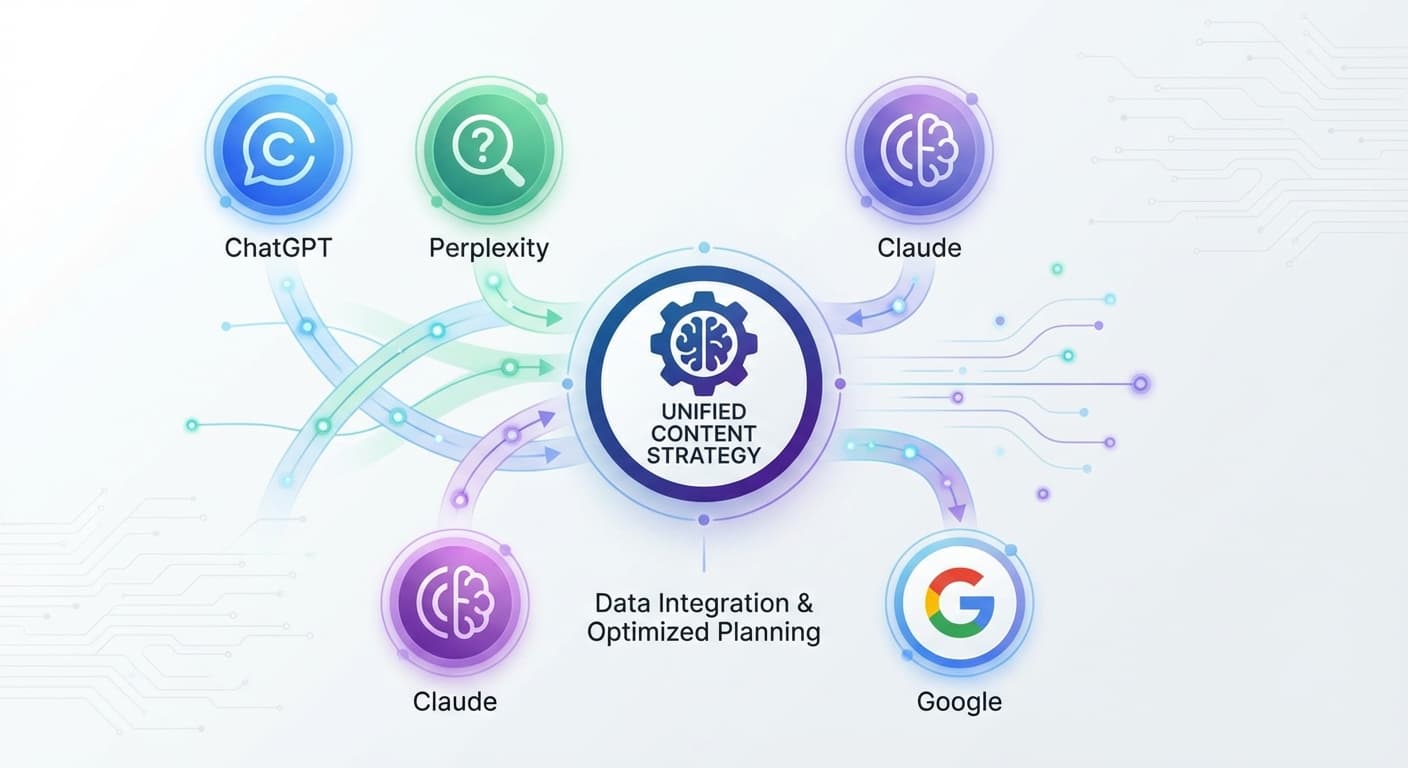
The solution isn't to choose one platform over others—it's to develop a unified approach that works across all of them. Here's how to build a strategy that addresses AI platform fragmentation:
1. Identify Your Core Content Pillars
Start by mapping your content to what we call "universal value propositions"—topics and formats that resonate across all AI platforms:
2. Master the "Layer Cake" Content Structure
Successful multi-platform content uses a layered approach:
Surface Layer (for quick AI scanning):
Middle Layer (for comprehensive understanding):
Deep Layer (for authority and trust):
This structure allows each AI platform to extract the level of detail it prioritizes while maintaining coherent messaging across all platforms.
3. Optimize for Cross-Platform Citation Factors
While each platform has unique preferences, successful content across all four platforms typically includes:
4. Create Platform-Specific Content Variants
Rather than creating entirely different content for each platform, develop a core piece and create strategic variants:
Core Content: Your comprehensive, well-researched piece
Google AI Variant: Emphasize E-E-A-T signals and traditional SEO elements
ChatGPT Variant: Add conversational transitions and FAQ sections
Perplexity Variant: Enhance with real-time data and numbered structures
Claude Variant: Expand analytical sections and balanced perspectives
Measuring Success Across Platforms
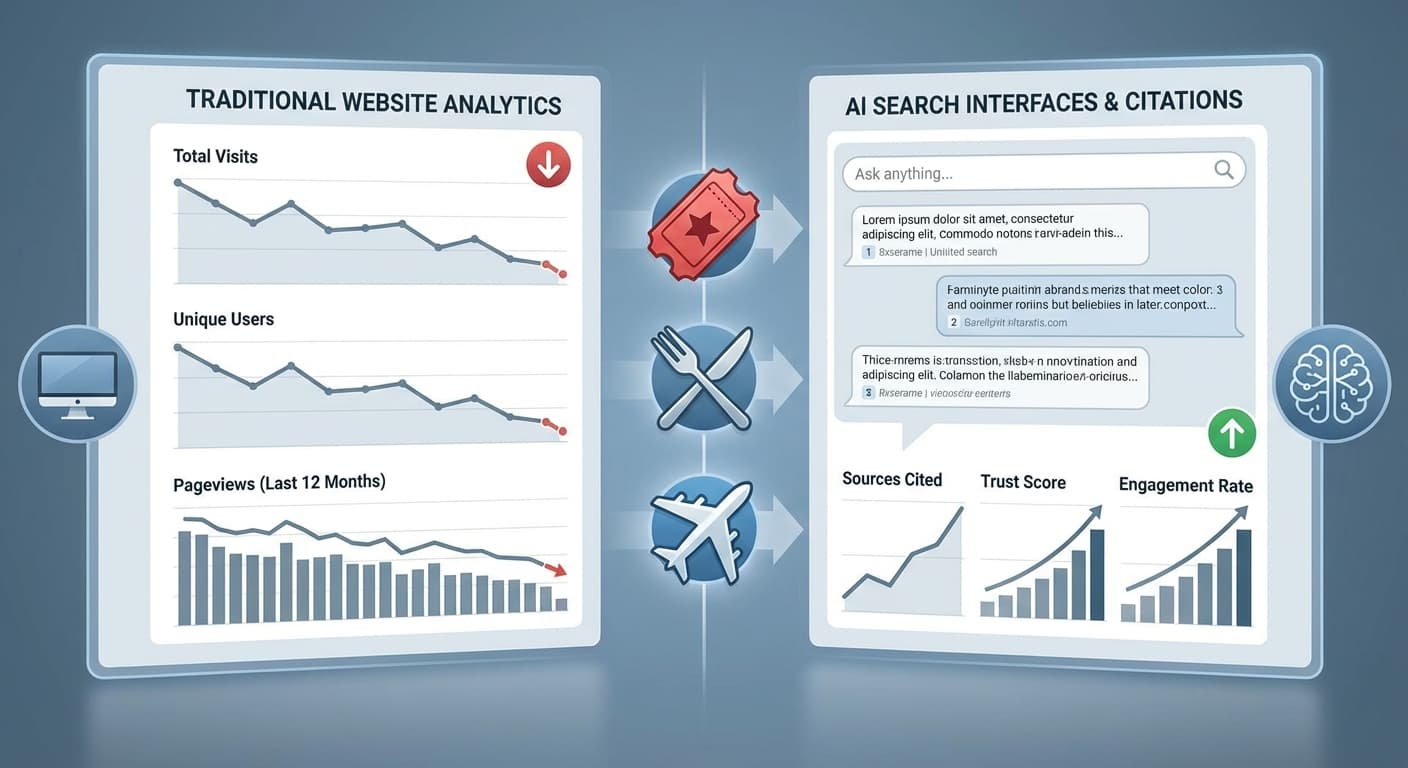
Tracking performance across multiple AI platforms requires new metrics beyond traditional pageviews and rankings:
Citation Frequency
How often your content gets cited by each AI platform when users ask related questions.
Response Quality Score
The depth and accuracy of AI responses that include your content.
Cross-Platform Consistency
Whether your content maintains consistent messaging across different AI interpretations.
User Engagement Signals
Click-through rates and user interactions when your content appears in AI responses.
Tools like Citescope Ai's Citation Tracker can help monitor these metrics across ChatGPT, Perplexity, Claude, and Gemini, giving you visibility into which platforms are citing your content most frequently.
Advanced Strategies for 2026
Semantic Clustering
Group related content pieces to create topic authority clusters that AI platforms recognize as comprehensive resources.
Dynamic Content Optimization
Use AI-powered tools to automatically adjust content elements based on platform performance data.
Cross-Platform Link Architecture
Develop internal linking strategies that help AI platforms understand content relationships and context.
Real-Time Content Updates
Implement systems to keep content current across platforms, especially important for Perplexity's real-time focus.
Common Pitfalls to Avoid
Over-Optimization
Trying to stuff too many platform-specific elements into a single piece often results in content that performs poorly everywhere.
Platform Neglect
Focusing only on the platforms where you currently see traffic, missing opportunities on emerging or growing platforms.
Inconsistent Messaging
Allowing platform variants to drift so far from your core message that you confuse both AI systems and users.
Ignoring User Intent
Optimizing for AI algorithms without considering why users are actually searching for your content.
How Citescope Ai Helps
Navigating AI platform fragmentation doesn't have to be overwhelming. Citescope Ai's comprehensive suite addresses the key challenges content creators face:
GEO Score Analysis: Get a single 0-100 score that evaluates your content across all five critical dimensions—AI Interpretability, Semantic Richness, Conversational Relevance, Structure, and Authority—showing you exactly how well your content will perform across different AI platforms.
One-Click AI Rewriter: Transform your existing content for optimal AI visibility without losing your core message or expertise. The AI Rewriter understands the nuances of different platforms and restructures your content accordingly.
Multi-Platform Citation Tracking: Monitor when your content gets cited by ChatGPT, Perplexity, Claude, and Gemini all in one dashboard, giving you clear visibility into which platforms are finding and featuring your content.
Flexible Export Options: Once your content is optimized, export it in multiple formats (Markdown, HTML, or WordPress blocks) to easily publish across your various channels and platforms.
The Future of Multi-Platform AI Optimization
As we move deeper into 2026, the AI search landscape will likely become even more fragmented, with new platforms emerging and existing ones evolving their algorithms. The organizations that succeed will be those that build flexible, adaptable content strategies rather than rigid, platform-specific approaches.
The key is to focus on fundamental content quality—comprehensive coverage, clear structure, authoritative sourcing, and genuine user value—while remaining agile enough to adapt to platform-specific requirements.
Ready to Optimize for AI Search?
Don't let AI platform fragmentation limit your content's reach. Citescope Ai makes it simple to create content that performs across ChatGPT, Perplexity, Claude, and Google AI Overviews. Start with our free tier (3 optimizations per month) and see how the GEO Score can transform your content's AI visibility. Ready to scale? Pro plans start at just $39/month. Try Citescope Ai free today and turn AI platform fragmentation from a challenge into your competitive advantage.