How to Optimize for AI Overviews Without Losing Organic Traffic: The Smart Content Strategy for 2026
How to Optimize for AI Overviews Without Losing Organic Traffic: The Smart Content Strategy for 2026
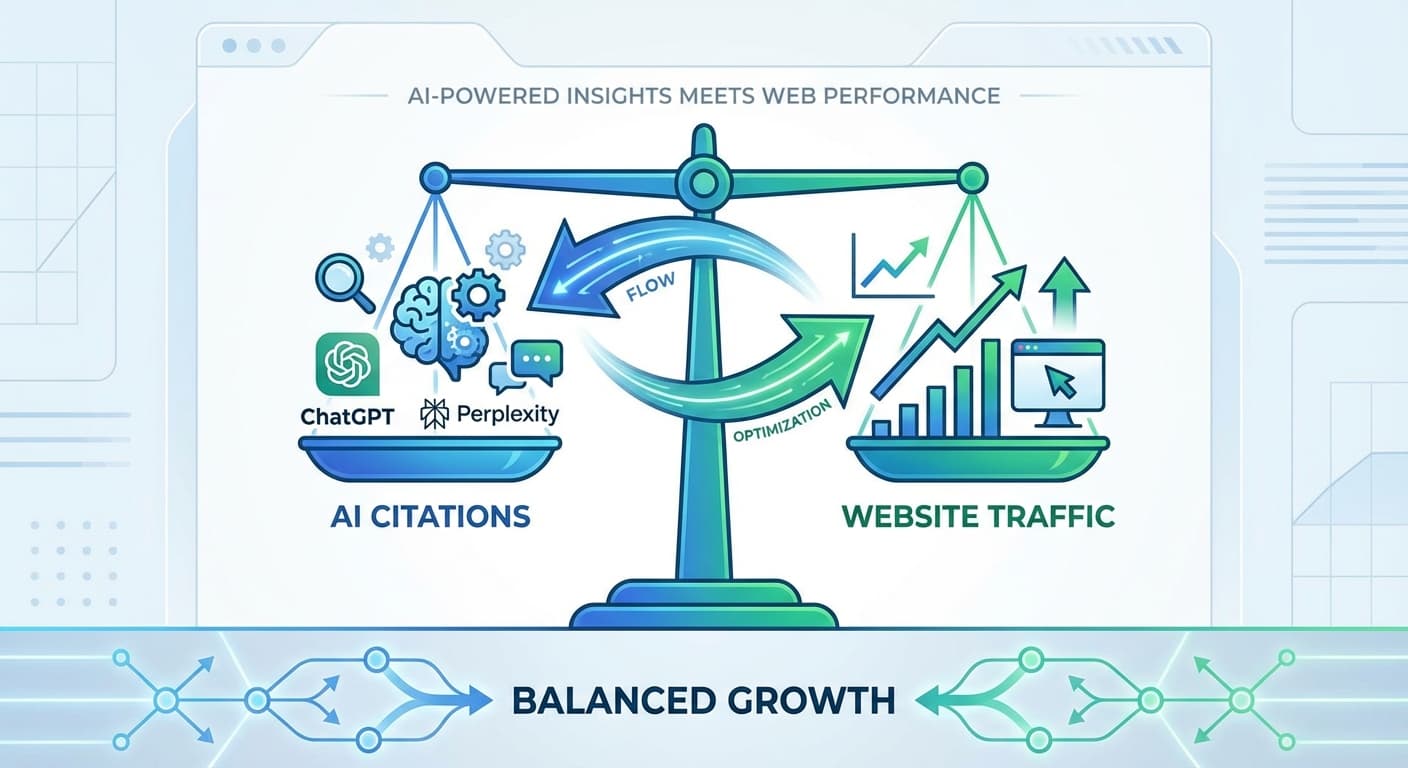
With AI search now commanding over 30% of all search queries and Google's AI Overviews appearing in 78% of search results, content creators face a critical dilemma: How do you optimize for AI visibility without cannibalizing your website traffic?
The answer isn't choosing between AI optimization or traditional SEO—it's mastering both simultaneously.
The AI Overview Challenge: More Visibility, Fewer Clicks
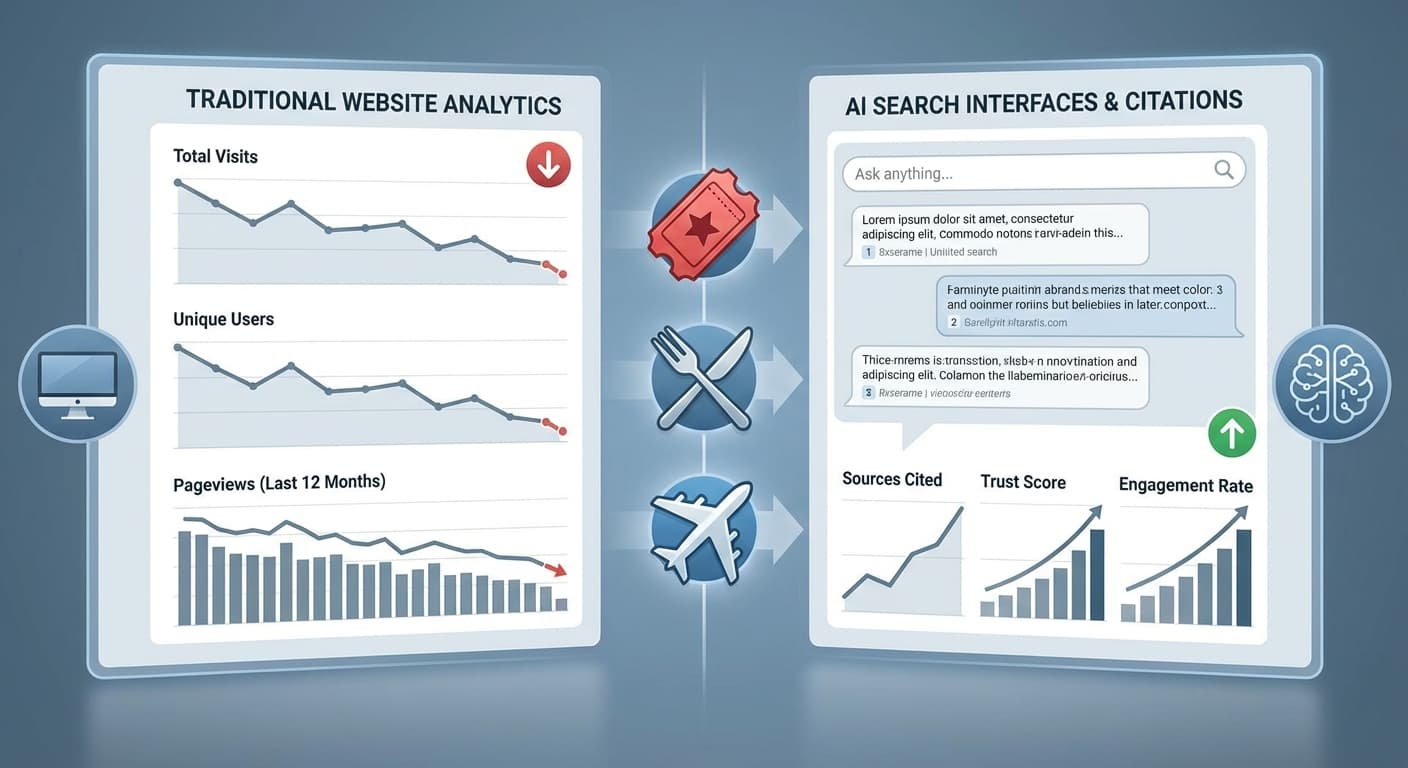
Google's AI Overviews, ChatGPT's web browsing, and Perplexity's instant answers are changing how users consume information. Research from 2025 shows that 65% of AI-generated responses satisfy user queries without requiring a click-through to the source website. This presents a double-edged sword:
Why Traditional SEO Isn't Enough Anymore
In 2026, optimizing solely for traditional search rankings misses a massive opportunity. Consider these statistics:
Content that doesn't appear in AI responses becomes invisible to a growing segment of searchers.
The Balanced Strategy: Optimize for Both AI and Direct Traffic
1. Create AI-Friendly Content That Drives Action
The key is structuring content so AI engines can easily extract and cite information while simultaneously encouraging users to visit your site for more value.
Structure your content with:
2. Use the "Teaser + Deep Dive" Approach
Provide enough information to be cited by AI, but frame it as an introduction to deeper content:
Example:
> "The three pillars of AI content optimization are semantic richness, conversational relevance, and structured authority. While these form the foundation, implementing each pillar requires specific techniques and tools that vary by industry and content type."
This gives AI engines quotable content while positioning your full article as the comprehensive resource.
3. Optimize Content Architecture for Multiple Consumption Modes
For AI Engines:
For Direct Visitors:
Advanced Techniques for AI-Optimized Traffic Retention
Leverage Citation Attribution
When AI engines cite your content, they often include source links. Maximize this by:
The "More Than Just Facts" Strategy
AI engines excel at providing factual information but struggle with:
Position your content as the go-to source for these elements.
Create "AI-First" Content Types
Question-Answer Formats: Structure content to directly answer common queries while providing context that encourages deeper exploration.
Definition + Application: Define concepts for AI citation, then provide practical applications that require visiting your site.
List + Explanation: Offer numbered lists that AI can easily extract, with detailed explanations and examples on your site.
Measuring Success in the AI Era
Traditional metrics need updating for the AI age. Track:
The Citation-to-Conversion Funnel
Optimize each stage:
Content Formats That Excel in AI and Drive Traffic
Comprehensive Guides with Modular Sections
Create in-depth resources where each section can stand alone for AI citation while the complete guide provides exceptional value.
Data-Driven Insights with Proprietary Research
AI engines love citing statistics, but users visit sites for the full research, methodology, and implications.
Tool and Template Libraries
Provide quotable frameworks and processes while requiring site visits to access actual tools and templates.
Expert Interviews and Case Studies
AI can cite key insights, but the full interviews and detailed case studies require site visits.
Future-Proofing Your Content Strategy
As AI search continues evolving, prepare for:
Stay ahead by creating content that works across all these formats and interaction modes.
How Citescope Helps Balance AI Optimization and Traffic Generation
Navigating the balance between AI visibility and website traffic requires sophisticated analysis and optimization. Citescope's platform addresses this challenge through:
GEO Score Analysis: Our 5-dimensional analysis (AI Interpretability, Semantic Richness, Conversational Relevance, Structure, Authority) identifies exactly how to optimize content for AI engines while maintaining traffic-driving elements.
Citation Tracking: Monitor when and how your content gets cited across ChatGPT, Perplexity, Claude, and Gemini. Understand which content formats and topics drive the most AI citations.
Smart Optimization: Our AI Rewriter doesn't just optimize for citations—it restructures content to maximize both AI visibility and click-through potential.
Performance Analytics: Track the complete funnel from AI citation to website conversion, helping you understand the true ROI of AI-optimized content.
Actionable Steps to Implement Today
Ready to Optimize for AI Search?
The future belongs to content creators who master both AI visibility and traffic generation. With Citescope, you can optimize your content for maximum AI citations while maintaining—and even increasing—your website traffic.
Start with our free tier and discover how your content performs across AI search engines. Get your GEO Score, track your first citations, and see how AI-optimized content can drive both visibility and conversions.
Start optimizing for free and turn AI search into your competitive advantage.