How to Optimize for AI Overviews When Google's 34.5% CTR Drop Forces Businesses to Monetize Citations Instead of Clicks
How to Optimize for AI Overviews When Google's 34.5% CTR Drop Forces Businesses to Monetize Citations Instead of Clicks
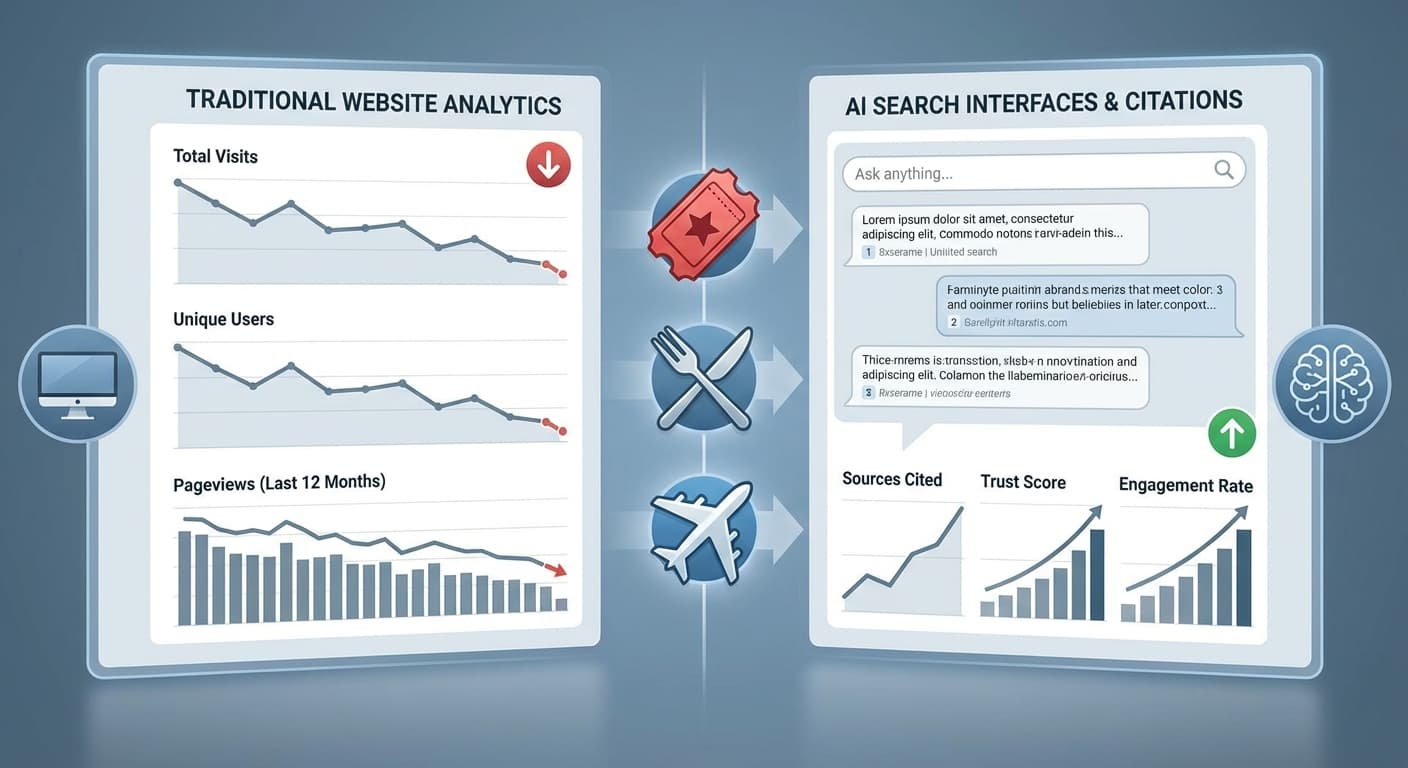
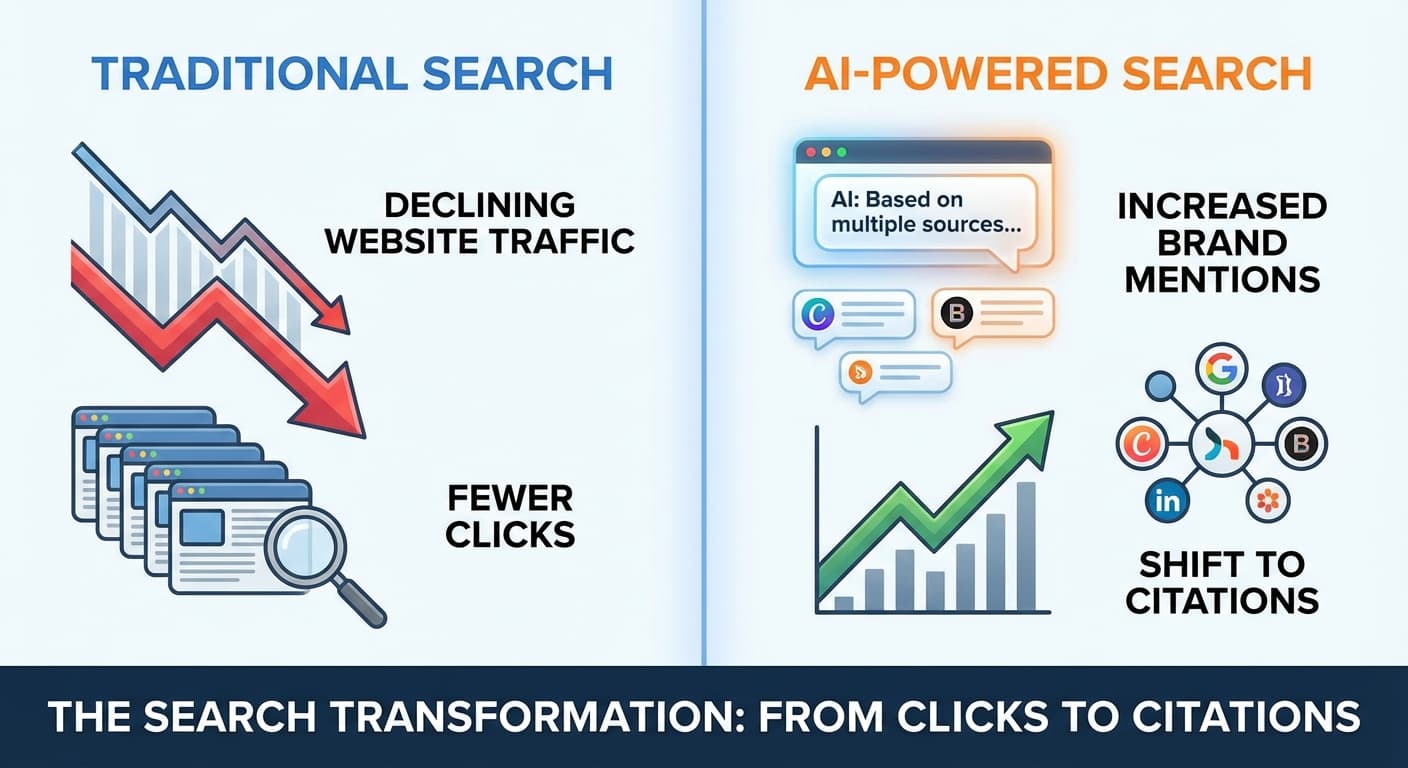
Google's AI Overviews have fundamentally transformed the search landscape, causing click-through rates to traditional websites to plummet by an average of 34.5% in 2025. This seismic shift has forced businesses to completely rethink their content strategy—moving from a click-based monetization model to a citation-based one.
If your business is still optimizing solely for traditional search clicks, you're fighting yesterday's war with outdated weapons. The future belongs to brands that can master the art of getting cited, referenced, and featured in AI-generated responses across platforms like ChatGPT, Perplexity, Claude, and now Google's own AI Overviews.
The Death of the Traditional Click Economy
The numbers paint a stark picture of the new reality:
What's happening is clear: users are getting their answers directly from AI systems without needing to click through to source websites. This means the traditional SEO playbook of optimizing for clicks is becoming increasingly obsolete.
Why Citations Are the New Currency
In this AI-first world, citations have become the new clicks. When an AI system references your content as a source, you're not just getting a backlink—you're getting:
Brand Authority Amplification
Qualified Lead Generation
Competitive Moats
The Anatomy of Citation-Worthy Content
To succeed in this new paradigm, your content needs to be structured specifically for AI consumption. Here's how top-performing content differs:
1. Answer-First Architecture
Traditional content often buries the lede. AI-optimized content leads with clear, direct answers:
Old approach:
"Content marketing has evolved significantly over the past decade..."
AI-optimized approach:
"Content marketing ROI averages 4:1 for B2B companies, with email marketing providing the highest returns at 42:1."
2. Structured Data Richness
AI systems favor content with clear hierarchical structure:
3. Conversational Query Alignment
Since AI platforms process natural language queries, optimize for how people actually ask questions:
Strategic Content Restructuring for AI Overviews
The CLEAR Framework
Use this framework to restructure existing content for maximum AI visibility:
C - Concise Answers: Lead each section with a direct answer
L - Logical Flow: Organize information in the order AI systems expect
E - Expert Attribution: Include author credentials and source citations
A - Actionable Insights: Provide specific, implementable advice
R - Rich Context: Add supporting data and examples
Content Optimization Checklist
✅ Question-based H2 headers that match search intent
✅ Statistical data with proper attribution
✅ Step-by-step processes clearly numbered
✅ Comparative tables for decision-making content
✅ Author expertise signals prominently displayed
✅ Recent publication dates and updated information
✅ Internal linking to related authoritative content
Measuring Success in the Citation Economy
Traditional metrics like organic traffic and CTR are becoming less relevant. Focus on these citation-specific KPIs instead:
Primary Citation Metrics
Secondary Performance Indicators
Many businesses are using tools like Citescope Ai to track these metrics automatically, providing insights into which content performs best across different AI platforms and why.
Platform-Specific Optimization Strategies
Each AI platform has subtle differences in how it selects and presents citations:
Google AI Overviews
ChatGPT Citations
Perplexity References
Claude & Gemini
The Content Audit Revolution
To transition from a click-based to citation-based strategy, conduct a comprehensive content audit:
Phase 1: Citation Baseline Assessment
Phase 2: Gap Analysis
Phase 3: Optimization Implementation
How Citescope Ai Helps
Navigating this transition can be overwhelming, which is why tools like Citescope Ai have become essential for modern content teams. The platform's GEO Score analyzes your content across five critical dimensions—AI Interpretability, Semantic Richness, Conversational Relevance, Structure, and Authority—providing a clear 0-100 score that predicts citation potential.
The AI Rewriter feature can transform existing content with one click, restructuring it for optimal AI visibility while maintaining your brand voice. Meanwhile, the Citation Tracker monitors when your content gets referenced across ChatGPT, Perplexity, Claude, and Gemini, providing the data you need to refine your strategy continuously.
Future-Proofing Your Content Strategy
As AI systems become more sophisticated, the criteria for citation-worthy content will continue to evolve. Stay ahead by:
The Competitive Advantage of Early Adoption
Businesses that adapt to citation-based optimization now will have significant advantages:
The 34.5% CTR drop isn't a temporary setback—it's a permanent shift that savvy businesses are turning into a competitive advantage. By optimizing for citations instead of clicks, you're not just adapting to change; you're positioning your brand as an authoritative source in the AI-driven future of search.
Ready to Optimize for AI Search?
The shift from clicks to citations represents the biggest change in content marketing since the advent of search engines. Don't let your competitors establish AI authority while you're still optimizing for yesterday's metrics. Citescope Ai provides everything you need to analyze, optimize, and track your content's performance across all major AI platforms. Start with our free tier and see how your content can dominate the citation economy. Try Citescope Ai free today and transform your content strategy for the AI-first future.