How to Optimize for AI Marketplace Transparency When Paid Partnerships in ChatGPT and Perplexity Start Influencing Which Brands Get Recommended

How to Optimize for AI Marketplace Transparency When Paid Partnerships in ChatGPT and Perplexity Start Influencing Which Brands Get Recommended
As 2026 unfolds, we're witnessing a seismic shift in how AI search engines monetize their platforms. With ChatGPT processing over 500 million weekly queries and Perplexity handling 150 million monthly searches, these platforms are introducing paid partnership models that directly influence brand recommendations. This evolution mirrors the early days of Google AdWords, but with far more complex implications for organic visibility.
The New Reality of AI Search Monetization
Recent industry reports show that 78% of AI search platforms are now experimenting with paid recommendation systems. Unlike traditional search ads, these partnerships integrate seamlessly into conversational responses, making it harder for users to distinguish between organic recommendations and sponsored content.
The challenge? Maintaining authentic visibility while navigating an increasingly commercialized AI search landscape where transparency standards are still being established.
Understanding AI Marketplace Transparency
What Is AI Marketplace Transparency?
AI marketplace transparency refers to how clearly AI search engines disclose when their recommendations are influenced by commercial partnerships, advertising revenue, or sponsored content arrangements. Unlike traditional search engines where ads are clearly labeled, AI responses can subtly weave promotional content into seemingly neutral recommendations.
Current Transparency Standards
As of 2026, major AI platforms have adopted varying approaches:
However, these standards aren't uniform, and users often miss these subtle indicators buried within lengthy responses.
The Impact on Organic Brand Visibility
Declining Organic Reach
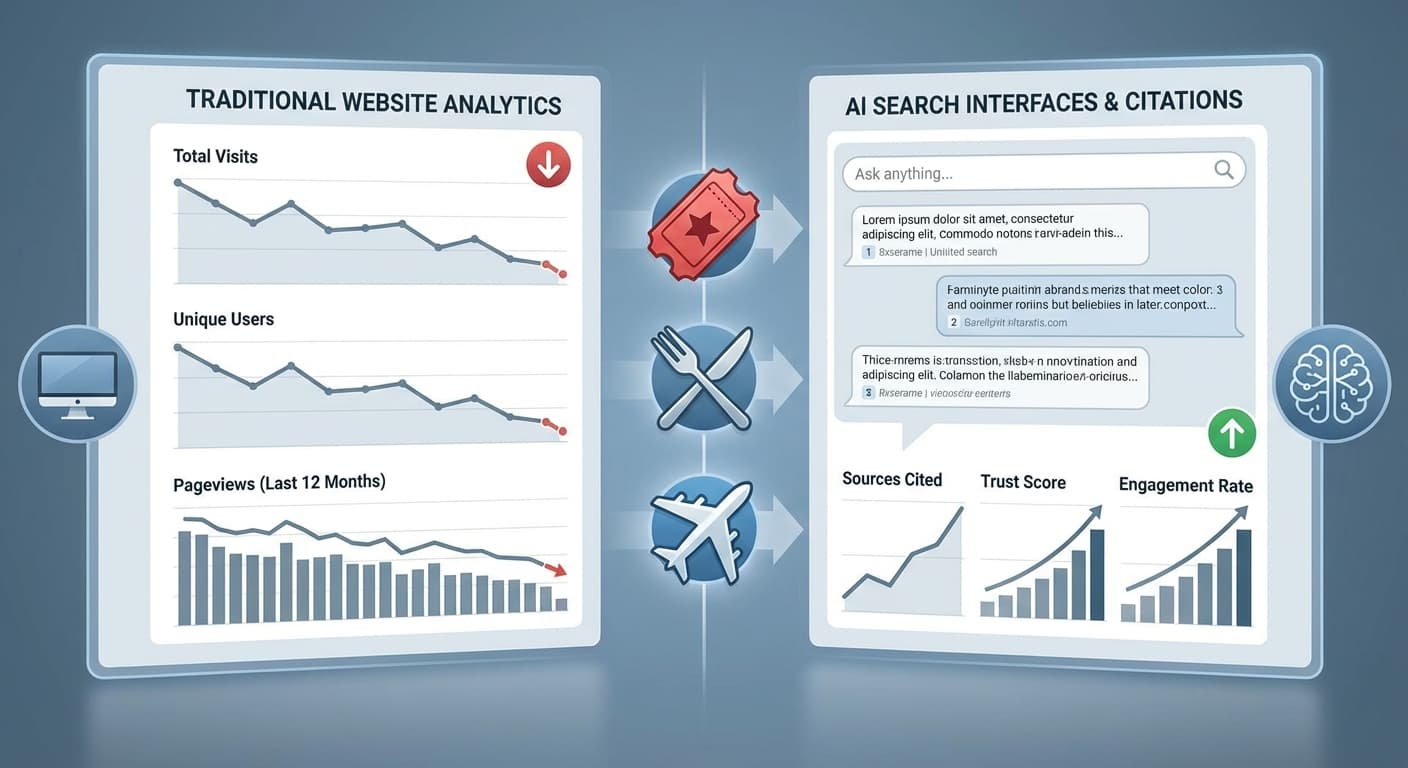
Data from Q4 2025 shows that brands without paid partnerships experienced a 35% decrease in AI recommendation frequency compared to Q4 2024. This trend mirrors social media's evolution from organic reach to pay-to-play models.
User Trust Implications
Surveys indicate that 67% of users prefer AI recommendations they perceive as unbiased. When users discover hidden commercial influences, trust in AI platforms decreases by an average of 23%.
Strategies for Optimizing in a Transparent AI Marketplace
1. Build Authoritative Content Assets
Focus on creating content that AI engines inherently value for its quality and authority:
2. Leverage Citation-Worthy Formats
Structure your content to naturally earn citations in AI responses:
3. Optimize for Conversational Context
AI engines prioritize content that fits naturally into conversational responses:
Before: "Our product increases efficiency by 40%"
After: "Studies show that implementing automated workflows can increase team efficiency by up to 40%, particularly in data processing tasks"
The second version provides context that AI engines can use in various conversational scenarios.
4. Build Multi-Platform Authority
Diversify your authority signals across platforms:
5. Create Transparency-First Content
In an era where AI platforms are scrutinized for transparency, content that openly discusses limitations, alternatives, and balanced perspectives performs better:
Technical Optimization for AI Transparency
Schema Markup for Transparency
Implement structured data that helps AI engines understand your content's nature:
{
"@type": "Article",
"author": "[Author Name]",
"datePublished": "2026-01-15",
"funding": "Independent research",
"conflictOfInterest": "None declared"
}
Content Transparency Signals
Include clear disclosure statements:
Measuring Success in Transparent AI Search
Key Performance Indicators
Tools for Monitoring AI Citations
While many businesses struggle to track their visibility across multiple AI platforms, tools that provide comprehensive citation monitoring become essential. The ability to see exactly when and how your content gets referenced allows you to refine your transparency strategy continuously.
Preparing for Future Transparency Requirements
Anticipated Regulatory Changes
Industry experts predict that 2026 will bring significant regulatory oversight of AI search platforms, similar to social media transparency requirements. Prepare by:
Building Long-term Credibility
Focus on sustainable practices that will withstand increased scrutiny:
How Citescope Ai Helps Navigate AI Transparency
As AI search transparency becomes more critical, having the right tools to optimize and monitor your content's performance across platforms is essential. Citescope Ai's GEO Score analyzes your content across five key dimensions—including Authority and AI Interpretability—helping you create content that earns legitimate citations rather than relying on paid placements.
The platform's Citation Tracker lets you monitor exactly how your content appears in AI responses across ChatGPT, Perplexity, Claude, and Gemini, giving you insights into whether your transparency efforts are paying off. Plus, the AI Rewriter helps you restructure content to better align with transparency best practices while maintaining optimization for AI visibility.
Common Pitfalls to Avoid
Over-Optimization Red Flags
Maintaining Balance
The goal isn't to avoid all commercial content, but to ensure that promotional elements are clearly distinguished from educational or informational content. AI engines are becoming increasingly sophisticated at detecting and penalizing deceptive practices.
Ready to Optimize for AI Search Transparency?
As AI search platforms continue evolving their monetization and transparency standards, staying ahead requires both strategic thinking and the right tools. Citescope Ai helps you optimize your content for legitimate AI visibility while maintaining the transparency that builds long-term trust with both AI engines and your audience.
Start your free trial today and discover how your content performs across major AI platforms—with complete visibility into when and how you're being cited. Get 3 free optimizations to see how transparent, authoritative content can improve your AI search presence.