How to Optimize for AI Follow-Up Queries: Mastering Context Over Authority in 2026's Conversational Search
How to Optimize for AI Follow-Up Queries: Mastering Context Over Authority in 2026's Conversational Search
In 2026, a staggering 73% of Gen Z and millennials use AI search engines for multi-turn conversations, with the average session lasting 4.2 queries. Here's the game-changer: AI engines like ChatGPT and Perplexity now prioritize contextual relevance over traditional domain authority when determining which sources to cite in follow-up responses. This shift has fundamentally changed how content creators must approach optimization.
The New Reality of Conversational Search in 2026
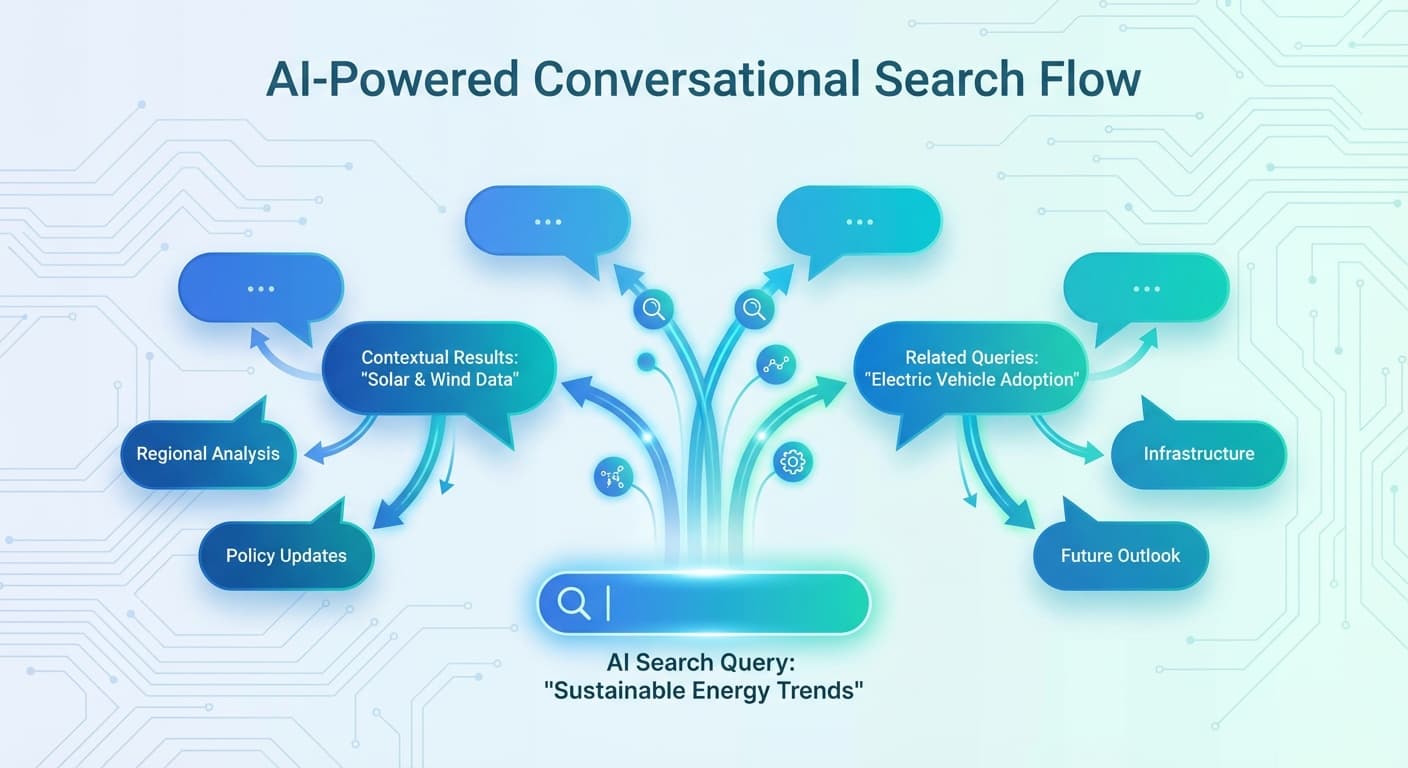
Conversational AI search has evolved beyond single-query interactions. Users now engage in complex, multi-turn conversations where each query builds upon previous context. According to recent data from Anthropic and OpenAI, over 68% of AI search sessions involve at least three related queries, with users diving deeper into topics through natural follow-up questions.
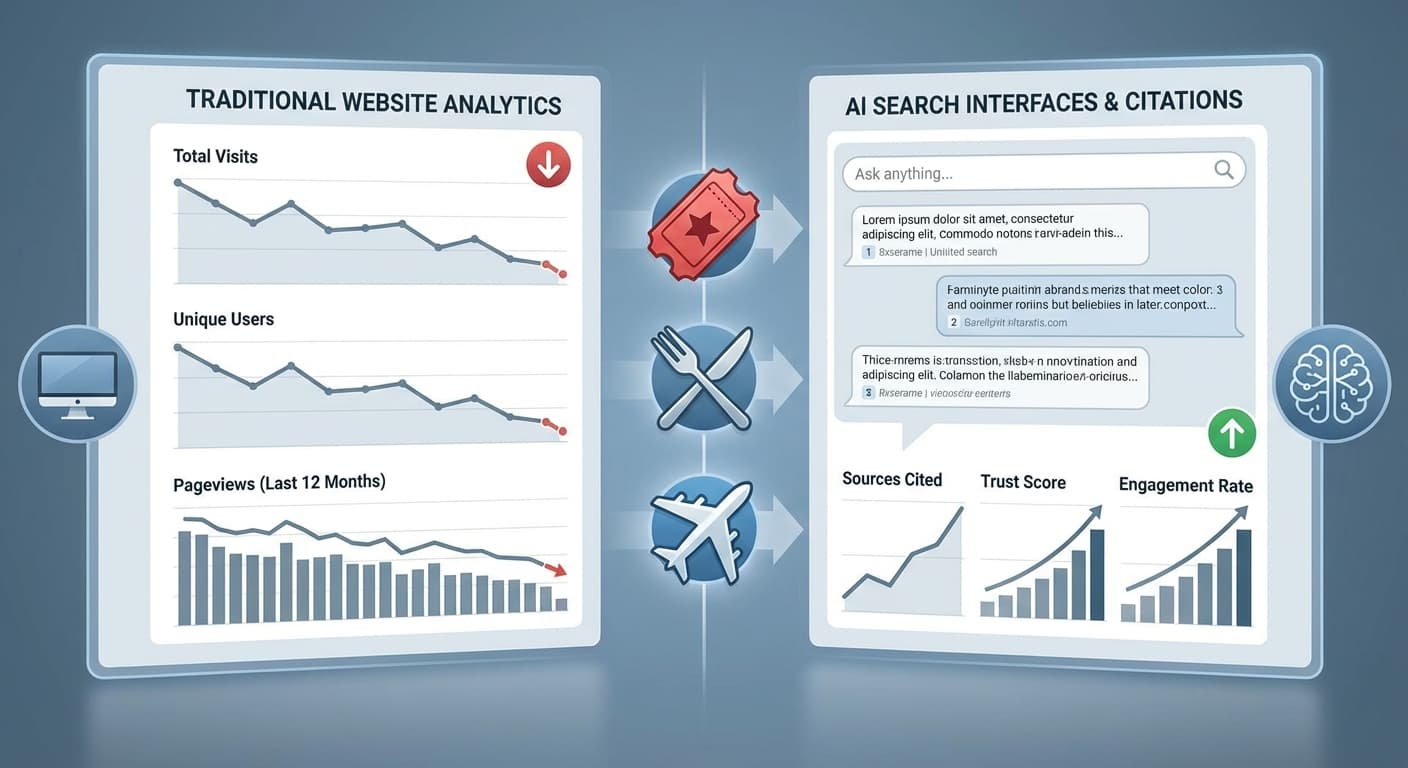
The traditional SEO playbook—focused on domain authority, backlinks, and keyword density—is losing relevance in this new landscape. Instead, AI engines are prioritizing content that maintains contextual coherence across conversation threads.
Why Context Beats Authority in 2026
AI search engines have become sophisticated enough to understand conversational nuance. When a user asks a follow-up question like "What about the environmental impact?" after initially searching for "electric vehicle benefits," the AI doesn't just look for pages with high domain authority on environmental topics. Instead, it seeks content that naturally bridges both concepts with contextual depth.
This shift has created both challenges and opportunities:
Challenges:
Opportunities:
Understanding AI Follow-Up Query Mechanics
To optimize effectively, you need to understand how AI engines process follow-up queries:
1. Context Retention
AI engines maintain conversation memory, using previous queries to inform follow-up responses. Your content needs to anticipate and address related questions that might arise naturally in conversation.
2. Semantic Bridging
The AI looks for content that can bridge multiple related concepts seamlessly. For example, an article about "remote work productivity" should also address related concerns like "work-life balance" and "team collaboration challenges."
3. Conversational Flow
Content structured like a natural conversation—with logical progressions, transitions, and anticipatory responses—performs better than traditional article formats.
7 Strategies to Optimize for AI Follow-Up Queries
1. Create Conversation-Mapped Content
Structure your content to mirror natural conversation flows. Instead of rigid sections, create content that anticipates follow-up questions:
Traditional Structure:
Conversation-Mapped Structure:
2. Implement Contextual Clustering
Group related concepts within your content to help AI engines understand topical relationships. Use semantic clustering to connect:
3. Build Answer Bridges
Create smooth transitions between related topics using "bridge phrases" that signal contextual connections:
4. Anticipate Question Chains
Map out common question progressions in your niche. For a topic like "content marketing ROI," users might follow this chain:
Structure your content to address these natural progressions.
5. Use Conversational Formatting
Adopt formatting that feels conversational:
6. Optimize for Multi-Intent Queries
Modern follow-up queries often combine multiple intents. A query like "best CRM for small teams with limited budget" contains:
Your content should address all these dimensions within contextual flow.
7. Create Contextual Content Clusters
Develop content ecosystems where multiple pieces naturally support each other in conversational contexts:
Technical Implementation for AI Optimization
Schema Markup for Conversational Content
Implement structured data that helps AI engines understand conversational relationships:
{
"@type": "FAQPage",
"mainEntity": [
{
"@type": "Question",
"name": "Primary question",
"acceptedAnswer": {
"@type": "Answer",
"text": "Answer that naturally leads to related questions"
}
}
]
}
Content Architecture
Structure your content with clear hierarchical relationships:
Internal Linking Strategy
Create contextual link networks that mirror conversation flows:
How Citescope Ai Helps Master Conversational Optimization
Optimizing for AI follow-up queries requires understanding how your content performs across different conversational contexts. Citescope Ai's GEO Score analyzes your content across five critical dimensions, including Conversational Relevance—measuring how well your content maintains coherence across related query chains.
The platform's AI Rewriter specifically optimizes content structure for conversational flow, transforming traditional articles into conversation-mapped formats that perform better in follow-up queries. You can track which pieces of your content get cited in multi-turn conversations, helping you identify successful patterns and replicate them across your content library.
Measuring Success in Conversational Search
Track these key metrics to gauge your optimization success:
Conversation Metrics
Performance Indicators
The Future of Conversational Content
As AI search continues evolving, expect even greater emphasis on conversational coherence. The content creators who succeed in 2026 and beyond will be those who think like conversation partners rather than information broadcasters.
The shift from authority-based to context-based optimization represents a fundamental change in how we approach content creation. It's no longer enough to be an expert—you need to be a helpful conversation partner who anticipates needs and provides contextually relevant information at every turn.
Ready to Optimize for AI Search?
Conversational search optimization requires sophisticated analysis and strategic content restructuring. Citescope Ai provides the tools you need to understand, optimize, and track your content's performance across AI search engines. With our GEO Score analysis and one-click AI Rewriter, you can transform your existing content into conversation-ready formats that excel in follow-up queries. Start your free trial today and discover how your content performs in the new era of conversational search.