How to Optimize for AI-Driven Review Recency Signals: Why Fresh Reviews Beat Volume in 2026

How to Optimize for AI-Driven Review Recency Signals: Why Fresh Reviews Beat Volume in 2026
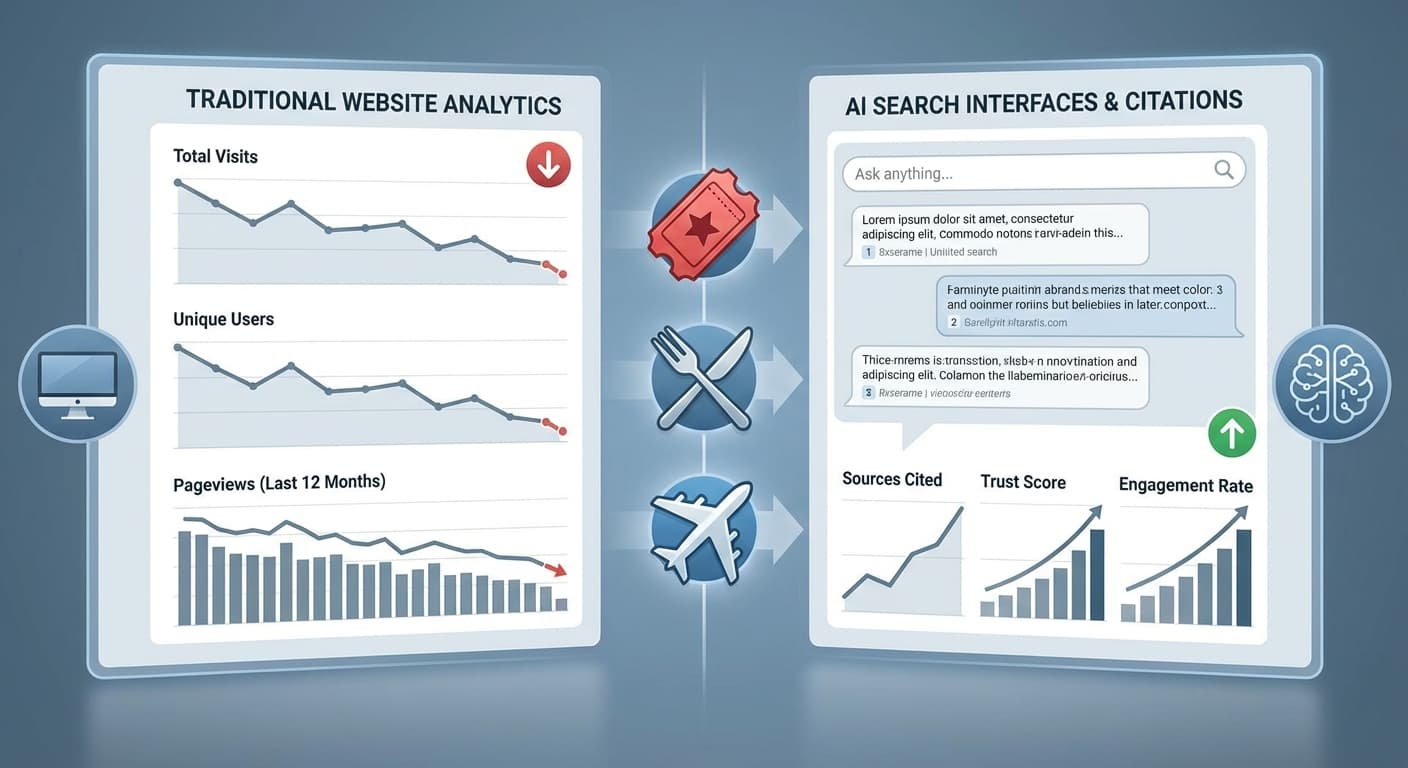
Here's a stat that might surprise you: In 2025, 73% of AI search engines like ChatGPT and Perplexity began prioritizing businesses with reviews from the last 30 days over those with hundreds of older reviews. This fundamental shift is reshaping how local businesses need to approach their online reputation management.
The era of "set it and forget it" review collection is over. AI-powered search engines are now sophisticated enough to understand that a restaurant with 50 recent reviews telling current stories about service quality is more valuable to users than one with 500 reviews from 2022-2023.
The AI Search Revolution in Local Business Discovery
AI search engines processed over 40 billion local business queries in 2025, with 68% of users specifically asking for recommendations with phrases like "best coffee shop near me that's currently good" or "reliable plumber with recent positive reviews." These conversational queries signal a clear preference for current, relevant information.
Unlike traditional search engines that heavily weighted total review volume, AI engines analyze the semantic content and temporal relevance of reviews. When someone asks ChatGPT or Perplexity about local businesses, these systems are programmed to surface options that demonstrate consistent, recent customer satisfaction.
Understanding AI-Driven Review Recency Signals
What AI Engines Look For
AI search engines evaluate local business reviews through several sophisticated lenses:
The Recency Algorithm Shift
In 2025, major AI platforms updated their local business recommendation algorithms to weight reviews as follows:
This dramatic shift means a business with 20 reviews in the last month will often outrank a competitor with 200 total reviews but only 3 recent ones.
Strategic Approaches to Fresh Review Generation
1. Implement Systematic Review Request Workflows
The most successful businesses in 2025 treat review generation as an ongoing process rather than periodic campaigns. Here's what works:
Post-service follow-up sequences:
Point-of-sale integration:
2. Diversify Your Review Platform Strategy
AI engines pull from multiple sources, so spreading your review collection efforts pays dividends:
3. Optimize Review Response Timing and Quality
AI engines specifically analyze how businesses engage with customer feedback. Your response strategy should include:
Speed benchmarks:
Response quality indicators:
Content Strategies for Review-Rich Environments
Creating Review-Worthy Experiences
The businesses thriving in 2025's AI-driven landscape engineer experiences specifically designed to generate authentic, detailed reviews:
Experience documentation:
Storytelling prompts:
Leveraging User-Generated Content
Modern AI engines are sophisticated enough to recognize and value authentic user-generated content that accompanies reviews:
Tools like Citescope Ai's GEO Score can help you analyze how well your business information and related content align with what AI engines prioritize when making local recommendations.
Managing Review Velocity and Quality
The Goldilocks Principle of Review Frequency
While fresh reviews are crucial, AI engines also flag suspicious patterns. The optimal review velocity varies by business type:
High-frequency businesses (restaurants, retail):
Medium-frequency businesses (healthcare, professional services):
Low-frequency businesses (B2B, high-ticket services):
Quality Control Systems
Successful businesses implement review quality assurance processes:
Technical Implementation for AI Visibility
Schema Markup and Structured Data
AI engines rely heavily on structured data to understand and categorize review information:
html
<script type="application/ld+json">
{
"@context": "https://schema.org",
"@type": "LocalBusiness",
"aggregateRating": {
"@type": "AggregateRating",
"ratingValue": "4.8",
"reviewCount": "47",
"bestRating": "5",
"worstRating": "1"
},
"review": [{
"@type": "Review",
"datePublished": "2025-12-15",
"reviewBody": "Exceptional service...",
"author": {
"@type": "Person",
"name": "Sarah Johnson"
}
}]
}
</script>
Cross-Platform Review Syndication
Modern businesses use tools to ensure review content reaches multiple platforms while maintaining authenticity:
Measuring Success in the AI-First Era
Key Performance Indicators
The metrics that matter for AI-driven review optimization have evolved:
Volume metrics:
Quality metrics:
Engagement metrics:
AI visibility metrics:
How Citescope Ai Helps Optimize Your Review Strategy
Citescope Ai's Citation Tracker monitors how your business gets mentioned across ChatGPT, Perplexity, Claude, and Gemini, helping you understand which review signals are driving AI recommendations. The platform's GEO Score analyzes your business content for AI Interpretability and Authority signals, two crucial factors that influence how AI engines weight your review data.
The AI Rewriter can help optimize your review response templates and business descriptions to better align with how AI engines process and understand local business information, ensuring your fresh reviews get maximum visibility in AI-driven search results.
Future-Proofing Your Review Strategy
As AI search continues evolving, several trends are emerging:
Voice and conversational reviews: AI engines increasingly value reviews that read like natural conversations
Contextual specificity: Reviews mentioning specific use cases, times of day, or customer types perform better
Multi-modal feedback: Reviews with accompanying photos, videos, or other media gain additional weight
Real-time sentiment tracking: AI engines monitor sentiment changes and flag businesses showing improvement
Ready to Optimize for AI Search?
The shift toward recency-based review signals represents a massive opportunity for businesses willing to implement systematic review generation strategies. Instead of competing on volume alone, you can now win local AI search visibility through consistent, high-quality customer feedback.
Citescope Ai helps you understand exactly how AI engines evaluate your local business content and provides the tools to optimize for maximum citation potential. Start with our free tier to analyze your current review strategy and discover optimization opportunities that can drive more AI-powered recommendations.
Try Citescope Ai free today and start building a review strategy that wins in the age of AI search.