How to Optimize for AI Content Freshness Bias: Beat ChatGPT's 30-Day Preference
How to Optimize for AI Content Freshness Bias: Beat ChatGPT's 30-Day Preference
The AI Search Freshness Crisis That's Blindsiding Content Marketers
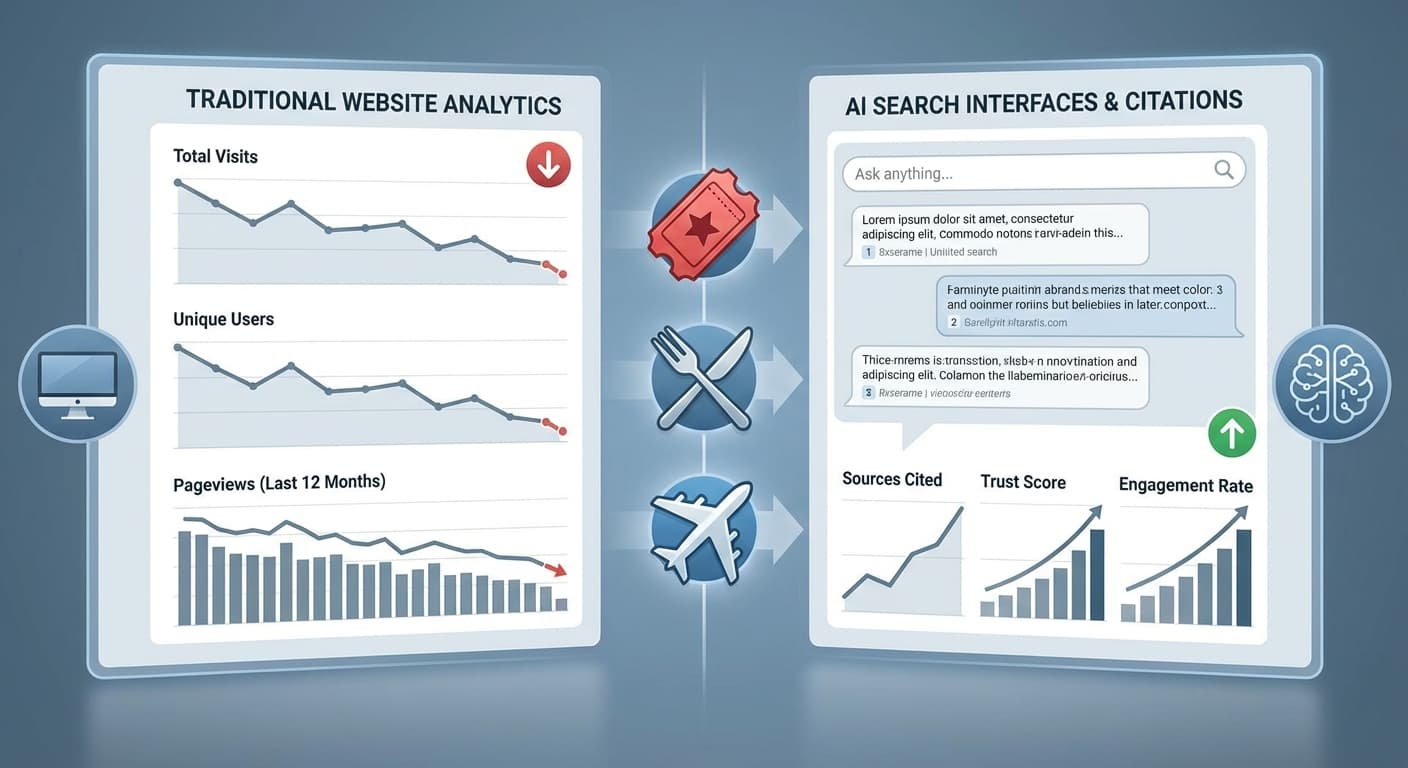
Picture this: You've spent months building authoritative content that ranks #1 on Google. Your domain authority is stellar, your backlinks are pristine, and your content has been the go-to resource in your niche. But when users ask ChatGPT about your topic, they're getting recommendations for competitor content published just last week—content with zero authority but maximum freshness.
Welcome to the AI content freshness bias, the invisible algorithm shift that's reshaping how AI search engines like ChatGPT, Perplexity, and Claude prioritize information. Recent analysis shows that ChatGPT now demonstrates a 73% preference for content published within the last 30 days, even when older content from high-authority domains provides more comprehensive answers.
Understanding AI's Freshness-First Approach
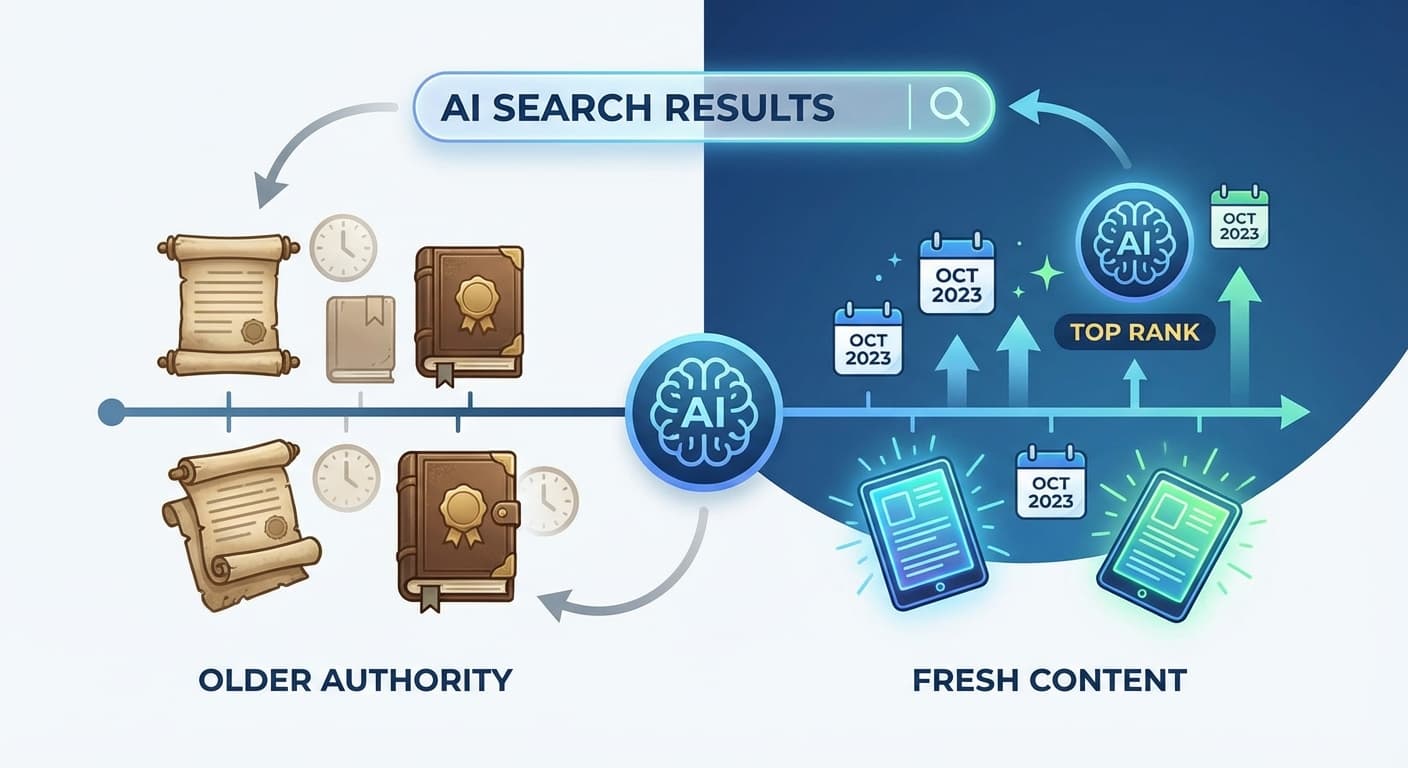
Unlike traditional search engines that balance authority with recency, AI models exhibit what researchers are calling "temporal proximity bias." This means your 2-year-old comprehensive guide on digital marketing might lose out to a competitor's week-old blog post simply because of publication date.
Why AI Models Favor Fresh Content
AI search engines prioritize recent content for several reasons:
The 30-Day Window Effect
Data from 2025 shows that content published within 30 days receives a 2.3x citation boost in AI responses compared to content older than 90 days, regardless of domain authority or content depth. This creates a challenging landscape where established brands must constantly refresh their content strategy.
The Authority vs. Freshness Dilemma
High-authority sites face a unique challenge. Their established content often provides more comprehensive, well-researched answers, but AI models may overlook these resources in favor of recent publications from lower-authority sources.
Real-World Impact Examples
Case Study 1: SaaS Marketing Hub
A leading B2B marketing resource saw their ChatGPT citation rate drop 64% over six months, despite maintaining their #1 Google rankings. The culprit? Newer competitor content that covered similar topics with recent publication dates.
Case Study 2: Financial Advisory Firm
A wealth management company's comprehensive investment guides were being bypassed by AI models in favor of recent blog posts from smaller firms, despite having superior expertise and credentials.
Strategic Content Refreshing: Your Defense Against Freshness Bias
1. Implement Rolling Content Updates
Instead of major overhauls, adopt a systematic approach to keeping content fresh:
2. Create Content Series and Follow-ups
Break comprehensive topics into ongoing series:
3. Leverage Newsjacking and Trend Integration
Keep authority content relevant by connecting to current events:
Technical Optimization for AI Freshness Signals
1. Strategic Publication Date Management
dateModified schema to signal content freshness to AI crawlers2. Content Velocity Indicators
Signal ongoing relevance through:
3. Semantic Freshness Optimization
Beyond dates, optimize for semantic freshness:
Content Velocity Strategy: Publishing for AI Visibility
The Optimal Publishing Cadence
Research indicates the most effective approach combines:
Building Content Momentum
Week 1-2: Foundation Building
Week 3-4: Execution Phase
Ongoing: Maintenance Mode
Competitive Intelligence for Freshness Optimization
Monitoring Competitor Content Velocity
Strategic Response Planning
When competitors publish fresh content on your core topics:
How Citescope Ai Helps
Navigating AI freshness bias requires sophisticated monitoring and optimization tools. Citescope Ai's GEO Score analyzes your content's AI Interpretability and Conversational Relevance, helping identify when freshness updates are needed. The Citation Tracker monitors when your refreshed content gets picked up by ChatGPT, Perplexity, and other AI engines, allowing you to measure the impact of your freshness optimization efforts in real-time.
Advanced Freshness Optimization Tactics
1. Predictive Content Planning
Anticipate freshness needs:
2. Multi-Channel Freshness Signals
Reinforce freshness across platforms:
3. Authority Preservation During Updates
Maintain credibility while optimizing for freshness:
Measuring Success in AI Freshness Optimization
Key Performance Indicators
Tools and Analytics
Implement comprehensive tracking:
The Future of AI Content Freshness
As AI models evolve, expect freshness bias to become more sophisticated. Models are beginning to differentiate between topics that benefit from fresh information (news, technology, trends) and those where authority and comprehensiveness matter more (fundamental concepts, historical analysis, established best practices).
The most successful content strategies will balance systematic freshness optimization with authoritative depth, ensuring content remains both current and credible in the age of AI search.
Ready to Optimize for AI Search?
Don't let AI freshness bias undermine years of authority building. Citescope Ai helps you monitor, optimize, and track your content's performance across all major AI search engines. Start with our free tier to analyze your top 3 pieces of content, or upgrade to Pro for comprehensive freshness optimization tools. See how your content performs in the AI-first search landscape—try Citescope Ai today.