How to Optimize for Agentic AI When Your Brand Lacks Real-Time Machine-Readable Data Feeds
How to Optimize for Agentic AI When Your Brand Lacks Real-Time Machine-Readable Data Feeds
By 2026, agentic AI systems are completing over 45% of consumer purchase decisions autonomously, from initial research to final transaction. Yet 73% of businesses report their brands are being completely bypassed in AI-powered discovery-to-transaction flows. If your business doesn't have sophisticated API feeds or real-time inventory systems, you might feel locked out of the AI economy. The good news? You don't need enterprise-level infrastructure to compete.
The Agentic AI Challenge: When Machines Skip Your Business
Agentic AI systems like GPT-4's Advanced Data Analysis, Claude's Computer Use, and Perplexity's Shopping features are fundamentally changing how consumers discover and purchase products. These AI agents can now:
The problem? Most small to medium businesses lack the technical infrastructure these systems prefer. While enterprise brands with robust API feeds and machine-readable product catalogs get prioritized, traditional businesses with static websites often become invisible to AI agents.
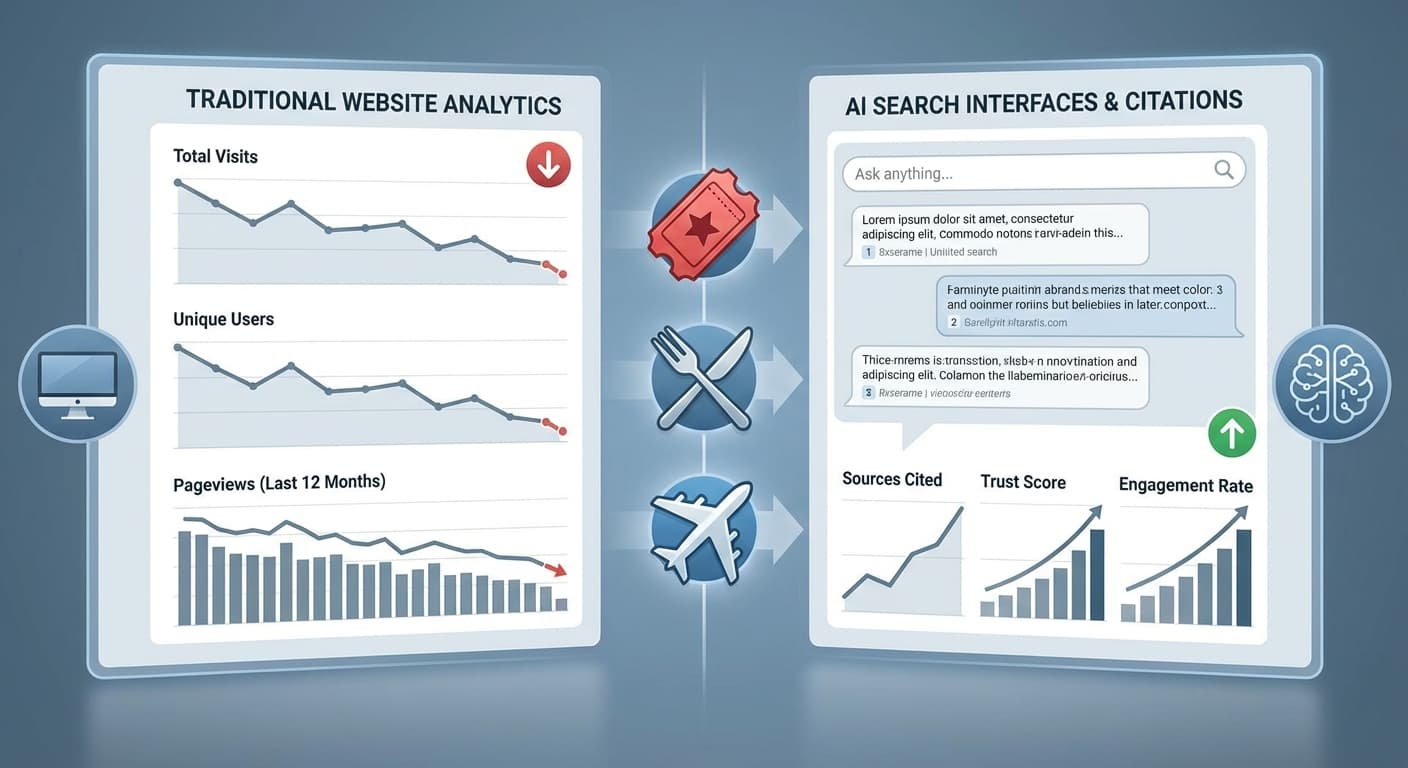
Recent data from the AI Commerce Institute shows that businesses without structured data feeds see 68% fewer AI-driven referrals compared to those with real-time integrations. This creates a significant competitive disadvantage as AI search continues its explosive growth—now accounting for 34% of all product discovery sessions.
Why Traditional SEO Falls Short in Agentic AI
Traditional SEO optimizes for human searchers browsing through results. Agentic AI operates differently:
Human-Centric SEO:
Agentic AI Requirements:
This shift means your beautifully designed product pages might be invisible to AI agents that can't parse your pricing, availability, or specifications efficiently.
Strategic Workarounds: Competing Without Enterprise Infrastructure
1. Create AI-Digestible Content Hubs
Even without real-time feeds, you can structure your content for easy AI consumption:
Product Information Pages:
Service Description Pages:
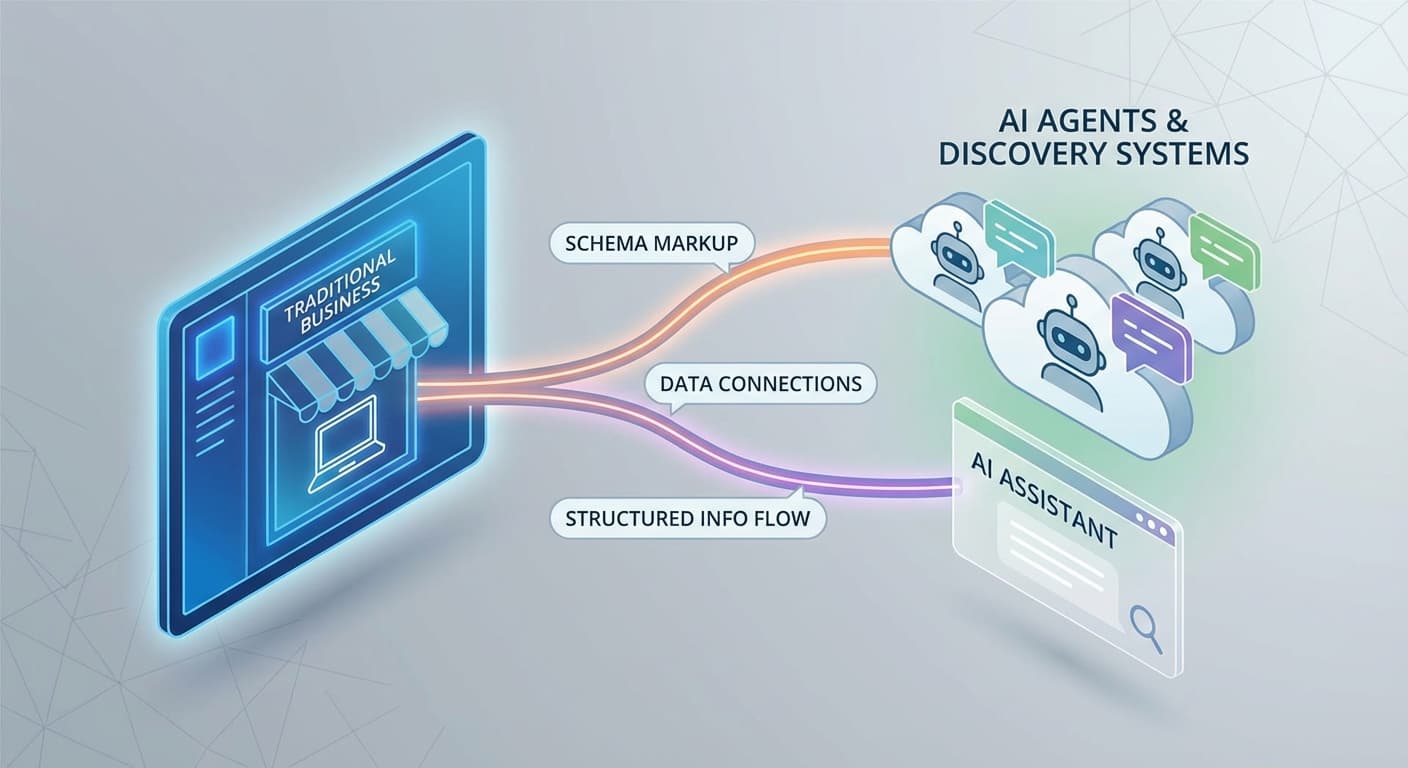
2. Implement Micro-Structured Data
You don't need complex APIs to provide structured information. Focus on:
JSON-LD Schema Markup:
{
"@context": "https://schema.org/",
"@type": "Product",
"name": "Your Product Name",
"offers": {
"@type": "Offer",
"price": "99.99",
"priceCurrency": "USD",
"availability": "https://schema.org/InStock",
"validThrough": "2026-12-31"
}
}
Microdata for Local Businesses:
3. Optimize Content Architecture for AI Agents
Create Comprehensive Comparison Content:
Develop Answer-First Content:
While implementing these strategies manually can be time-consuming, tools like Citescope Ai help identify exactly which content elements AI systems prioritize, allowing you to focus optimization efforts where they'll have the biggest impact.
4. Build Citation-Worthy Authority Content
AI agents prioritize authoritative sources when making recommendations. Without real-time data feeds, you can still build authority through:
Industry Expertise Content:
Collaborative Content:
5. Leverage Alternative Discovery Channels
While working on AI optimization, diversify your visibility:
AI-Powered Platforms:
Traditional Channels with AI Integration:
Measuring Success in the AI Economy
Track your progress with metrics that matter for AI visibility:
AI Citation Metrics:
Indirect AI Traffic:
Content Performance Indicators:
The Path Forward: Building AI-Ready Infrastructure Gradually
You don't need to overhaul your entire system overnight. Consider this phased approach:
Phase 1 (0-3 months):
Phase 2 (3-6 months):
Phase 3 (6-12 months):
How Citescope Ai Helps Navigate AI Optimization
Optimizing for agentic AI without enterprise infrastructure requires strategic precision. Citescope Ai's GEO Score analyzes your content across five critical dimensions that AI systems prioritize: AI Interpretability, Semantic Richness, Conversational Relevance, Structure, and Authority.
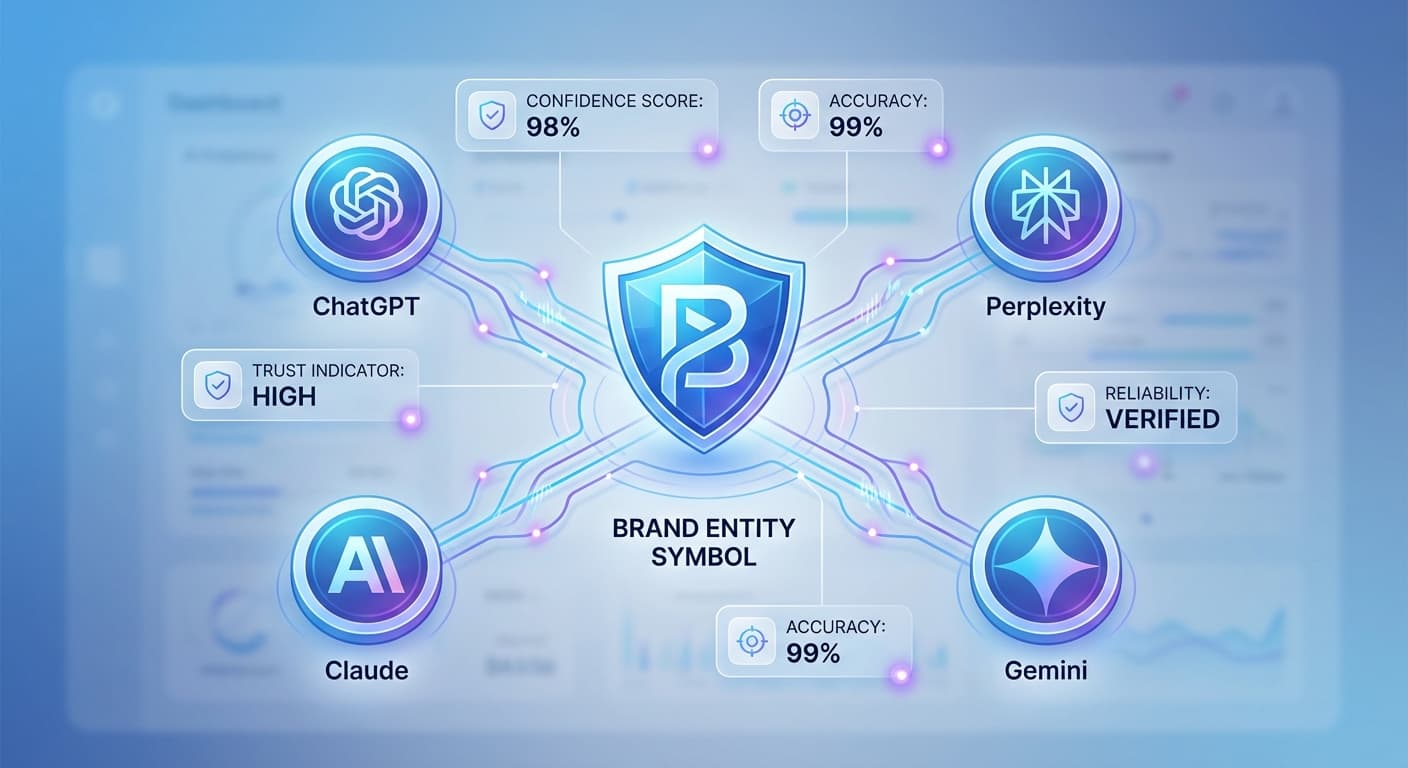
The platform's AI Rewriter can transform your existing product pages and service descriptions into formats that AI agents can easily parse and recommend, even without real-time data feeds. Most importantly, the Citation Tracker shows you exactly when and how AI systems like ChatGPT, Perplexity, Claude, and Gemini mention your brand, helping you understand which optimization strategies are working.
For businesses competing without enterprise-level infrastructure, this visibility into AI citation patterns becomes crucial for strategic decision-making and resource allocation.
The Future Is AI-Integrated, Not AI-Exclusive
While agentic AI systems prefer structured, real-time data, they're not exclusively limited to enterprise brands with sophisticated infrastructure. By focusing on content quality, structural optimization, and strategic authority building, smaller businesses can maintain visibility in AI-powered discovery flows.
The key is understanding that AI agents need comprehensive, accurate information to make confident recommendations. Whether that comes from a real-time API or a well-structured, regularly updated webpage matters less than the quality and completeness of the information provided.
Success in the AI economy isn't about having the most advanced technology—it's about presenting your business in ways that AI systems can understand, trust, and recommend to their users.
Ready to Optimize for AI Search?
Don't let limited technical infrastructure keep your business invisible to AI agents. Citescope Ai helps you identify exactly which content elements matter most for AI visibility and provides one-click optimization to improve your chances of being cited and recommended. Start with our free tier and discover how your content performs across all major AI search engines—no complex data feeds required.