How to Optimize Content for AI Search Answers: ChatGPT, Perplexity & Google AI Overviews

How to Optimize Content for AI Search Answers: ChatGPT, Perplexity & Google AI Overviews
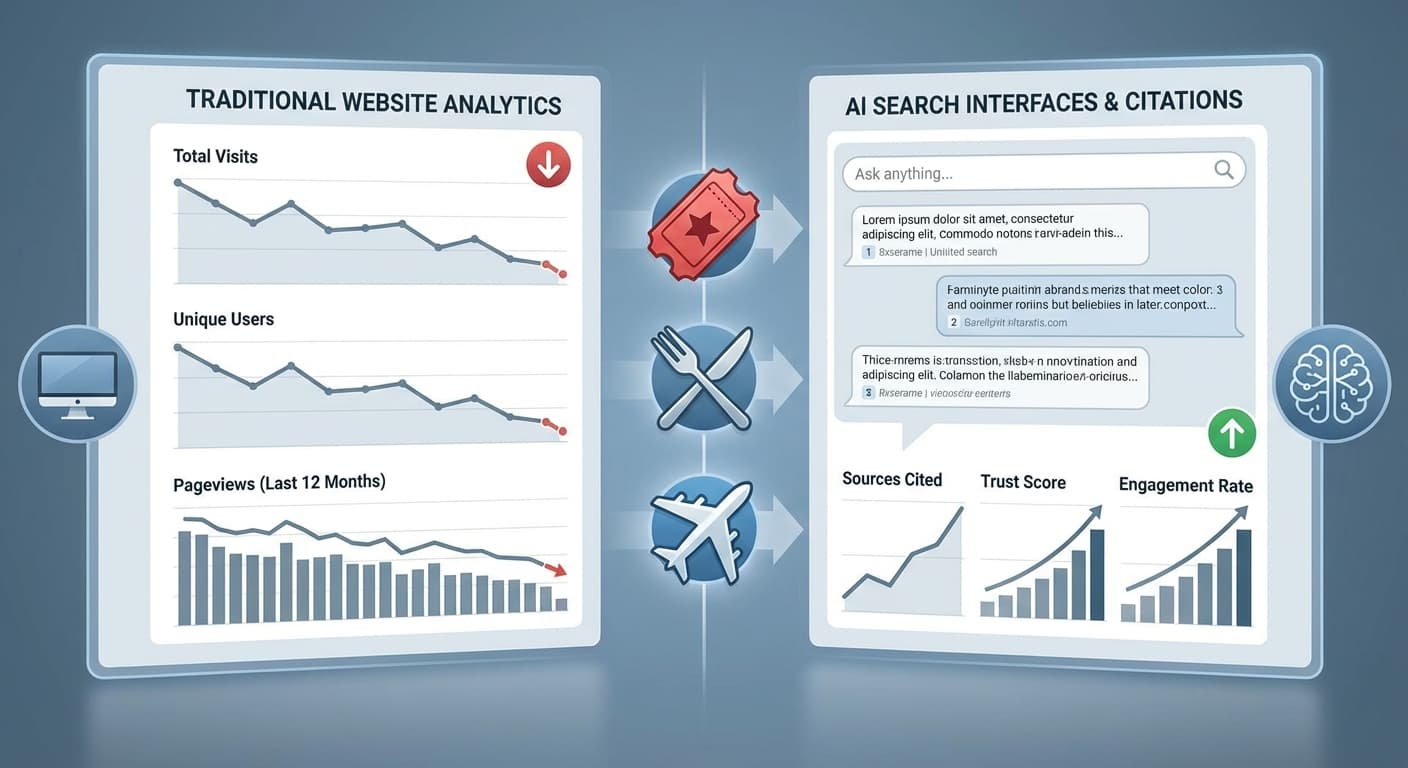
By 2026, over 40% of search queries are now answered directly by AI systems rather than traditional web results. With ChatGPT handling 750+ million weekly queries, Perplexity processing 15 billion searches annually, and Google's AI Overviews appearing in 67% of search results, the question isn't whether AI will change search—it's whether your content will be part of the answer.
The New Search Landscape: Why Traditional SEO Isn't Enough
The shift to AI-powered search represents the most significant change in information discovery since Google's PageRank algorithm. Unlike traditional search engines that simply match keywords and rank pages, AI search engines actually read, understand, and synthesize content to provide direct answers.
Here's what's changed:
This fundamental shift means that optimizing for AI visibility requires a completely different approach than traditional SEO.
Understanding How AI Search Engines Select Sources
The Five Key Factors AI Systems Consider
Based on analysis of millions of AI citations in 2025, AI search engines consistently favor content that exhibits:
1. Semantic Clarity
AI systems excel at understanding meaning, not just matching keywords. They look for content that clearly explains concepts, defines terms, and uses natural language patterns.
2. Structural Organization
Well-organized content with clear headings, bullet points, and logical flow helps AI systems extract and present information accurately.
3. Factual Authority
AI engines prioritize sources with demonstrated expertise, up-to-date information, and proper citations or references.
4. Conversational Relevance
Content that anticipates and answers follow-up questions performs better in AI search results.
5. Context Richness
Detailed explanations, examples, and related information help AI systems understand the full context of your content.
Practical Strategies for AI Search Optimization
1. Structure Content for AI Comprehension
Use Question-Answer Formats
AI systems love content that directly addresses common questions. Structure sections like:
Implement Clear Information Hierarchy
H1: Main Topic
H2: Key Subtopic
H3: Specific Point
H3: Supporting Detail
H2: Next Subtopic
Create Summary Sections
Start articles with clear introductions that summarize key points. AI systems often pull from these comprehensive overviews.
2. Optimize for Semantic Understanding
Define Technical Terms Clearly
When introducing specialized terminology, provide clear, concise definitions that AI systems can extract and use.
Use Natural Language Patterns
Write as if you're explaining concepts to a colleague. Avoid keyword stuffing and focus on natural, conversational explanations.
Include Relevant Context
Provide background information, related concepts, and practical applications that help AI systems understand the full scope of your topic.
3. Build Topical Authority
Create Comprehensive Topic Clusters
Develop interconnected content that covers a subject thoroughly. AI systems recognize and favor authoritative sources on specific topics.
Update Content Regularly
Fresh, current information ranks higher in AI systems. Regular updates signal that your content remains relevant and accurate.
Include Supporting Evidence
Reference studies, statistics, and expert opinions. While you don't need traditional citations, mentioning authoritative sources builds credibility.
4. Anticipate Follow-Up Questions
Think Conversationally
Consider what questions your content might prompt and address them proactively. This helps in multi-turn AI conversations.
Provide Step-by-Step Guidance
AI systems excel at breaking down complex processes into actionable steps. Use numbered lists and clear instructions.
Include Troubleshooting Information
Address common problems, exceptions, and edge cases related to your topic.
Platform-Specific Optimization Tips
ChatGPT Optimization
Perplexity Optimization
Google AI Overviews
Content Formats That AI Systems Favor
Lists and Comparisons
AI engines excel at extracting and presenting list-based information:
Explanatory Content
In-depth explanations that break down complex topics perform well:
FAQ-Style Content
Direct question-and-answer formats are ideal for AI extraction:
Measuring AI Search Performance
Unlike traditional SEO, measuring AI search performance requires new metrics:
Citation Frequency
Track how often your content gets referenced by AI systems across different platforms.
Answer Quality
Monitor whether AI systems extract accurate, complete information from your content.
Source Attribution
Measure how prominently your brand or website gets credited in AI responses.
Query Coverage
Analyze the range of questions your content helps AI systems answer.
Many content creators struggle with tracking these new metrics manually, especially across multiple AI platforms simultaneously.
Common Pitfalls to Avoid
Over-Optimization
While structure matters, don't sacrifice natural readability for AI optimization. Content should remain valuable for human readers.
Neglecting Authority Signals
AI systems recognize expertise. Ensure your content demonstrates knowledge through depth, accuracy, and insight.
Focusing Only on Keywords
AI systems understand context and meaning. Prioritize comprehensive topic coverage over keyword density.
Ignoring User Intent
Understand why people ask questions and provide complete, satisfying answers rather than partial information.
How Citescope Helps Optimize for AI Search
Optimizing content for AI search requires understanding how these systems evaluate and extract information. Citescope's GEO Score analyzes your content across the five critical dimensions that AI systems prioritize: AI Interpretability, Semantic Richness, Conversational Relevance, Structure, and Authority.
The platform's AI Rewriter then automatically restructures your content to improve performance across these dimensions, while the Citation Tracker monitors when your optimized content gets referenced by ChatGPT, Perplexity, Claude, and Gemini—giving you unprecedented visibility into your AI search performance.
The Future of AI Search Optimization
As AI search continues to evolve, several trends are emerging:
Multimodal Integration
AI systems increasingly combine text, images, and other media types in responses.
Real-Time Information
AI engines prioritize fresh, current information more heavily.
Personalization
AI responses become more tailored to individual users and contexts.
Voice and Conversational Queries
Optimization for spoken questions becomes increasingly important.
Staying ahead of these trends requires continuous adaptation and measurement of AI search performance.
Ready to Optimize for AI Search?
The shift to AI-powered search isn't coming—it's here. With over 40% of searches now handled by AI systems, optimizing your content for AI visibility is no longer optional. Citescope makes this transition seamless with automated content analysis, one-click optimization, and comprehensive citation tracking across all major AI platforms. Start with our free tier and discover how your content performs in the age of AI search—try Citescope today and ensure your valuable content gets the AI visibility it deserves.