How to Optimize Content for AI Search Answer Inclusion Without Losing Organic Traffic
How to Optimize Content for AI Search Answer Inclusion Without Losing Organic Traffic
In 2026, over 35% of all search queries now involve AI-powered responses, with ChatGPT alone processing 600+ million weekly searches. Yet here's the paradox keeping content marketers awake at night: optimizing for AI answer inclusion can sometimes hurt your traditional organic traffic. The challenge? Creating content that satisfies both AI engines looking for precise answers AND human readers seeking comprehensive information.
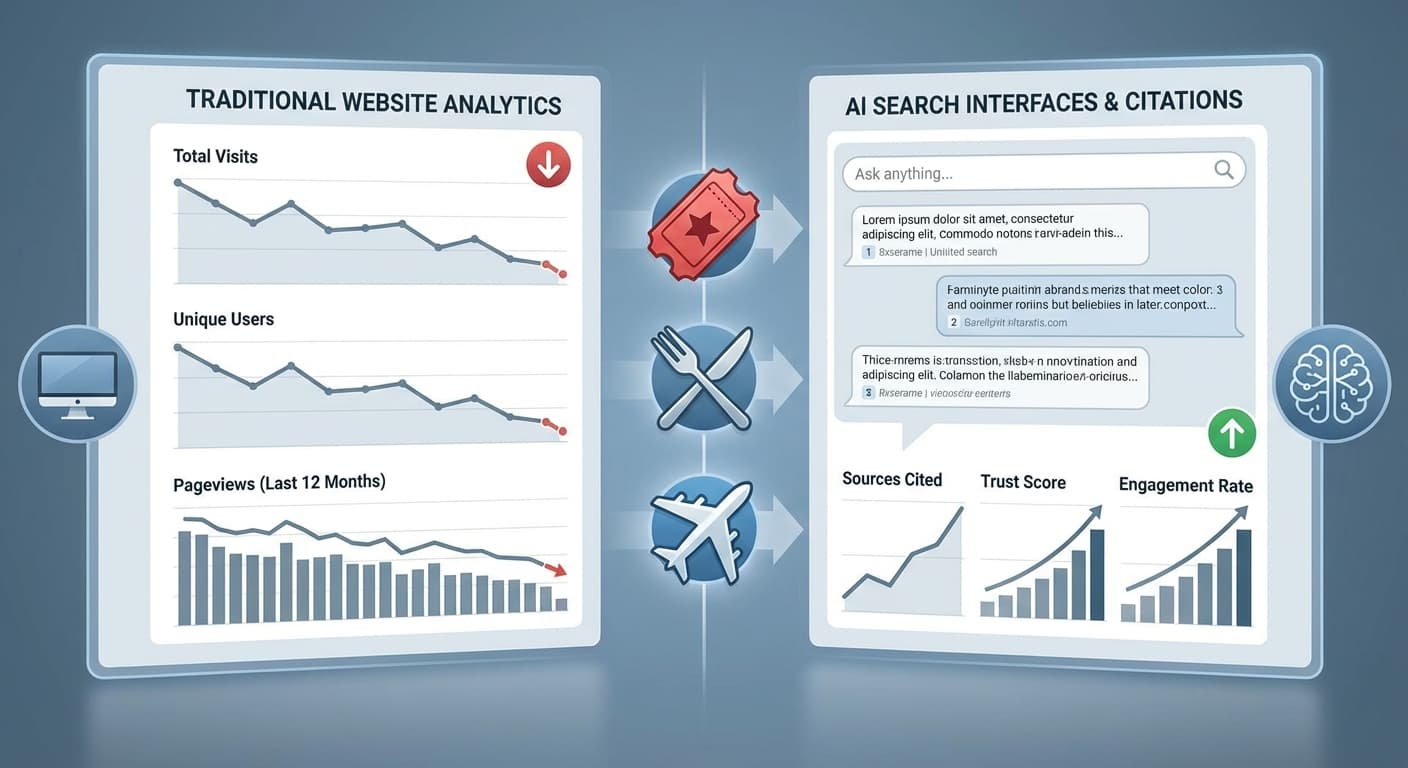
The stakes couldn't be higher. While AI search engines are citing content more frequently than ever, many publishers report a 20-30% decline in traditional click-through rates as users increasingly get their answers directly from AI overviews without visiting the source website.
The AI Search Balancing Act in 2026
The modern content creator faces a unique challenge. Traditional SEO focused on getting users to click through to your website. AI search optimization, however, prioritizes having your content cited within the AI's response – potentially reducing the need for users to visit your site at all.
This shift has created two distinct camps:
The winning strategy? A hybrid approach that satisfies both audiences.
Understanding How AI Engines Select Content for Citations
Before diving into optimization strategies, it's crucial to understand what AI search engines look for when selecting content to cite:
Authority and Trustworthiness
AI engines prioritize content from established, authoritative sources. They analyze factors like:
Structural Clarity
AI systems favor content with clear, scannable structure:
Answer Completeness
Unlike traditional SEO, AI engines prefer content that provides complete, self-contained answers rather than teasing information to drive clicks.
Strategy 1: The Layered Content Approach
The most effective method for balancing AI citations and organic traffic is creating layered content that serves multiple purposes:
Layer 1: The AI-Optimized Summary
Start each piece with a clear, comprehensive summary that AI engines can easily extract and cite. This section should:
Layer 2: The Deep Dive
Follow with detailed sections that provide additional value for human readers:
Layer 3: The Engagement Hooks
Include elements specifically designed to encourage site visits:
This approach allows AI engines to cite your authoritative summary while giving human readers compelling reasons to visit and explore your full content.
Strategy 2: Question-Answer Optimization
With conversational AI search growing by 40% year-over-year, optimizing for natural language queries is essential:
Identify Long-Tail Questions
Create Direct Answer Sections
Structure content with clear Q&A sections:
How long does [process] take?
[Direct answer in first sentence]
[Supporting details and context]
Use Natural Language
Strategy 3: Semantic Richness Without Keyword Stuffing
AI engines understand context and semantics better than traditional search algorithms. Focus on:
Topic Clusters
Entity Recognition
Contextual Depth
Maintaining Traffic While Optimizing for AI
Create Unique Value Propositions
Even if AI engines cite your key information, ensure your full content offers something they can't:
Use Progressive Information Disclosure
Structure content so the AI-citeable portion leads readers to want more:
Optimize for "Learn More" Queries
When users get AI answers, they often follow up with more detailed questions. Create content that anticipates these follow-up queries:
Technical Implementation Tips
Schema Markup for AI
Implement structured data that AI engines can easily parse:
Content Formatting
Format content for both AI parsing and human readability:
Performance Optimization
Ensure your content loads quickly for both AI crawlers and human visitors:
Measuring Success in the AI Age
Traditional metrics need updating for the AI search era:
AI Citation Metrics
Enhanced Traffic Quality
Hybrid Performance Indicators
How Citescope Helps Bridge the Gap
Optimizing for both AI citations and organic traffic requires sophisticated analysis of how AI engines interpret your content. Citescope's GEO Score analyzes your content across five critical dimensions – AI Interpretability, Semantic Richness, Conversational Relevance, Structure, and Authority – giving you a clear roadmap for optimization.
The platform's AI Rewriter tool can restructure your existing content to improve AI visibility while maintaining the depth and engagement factors that drive human traffic. Meanwhile, the Citation Tracker monitors when your content gets cited by ChatGPT, Perplexity, Claude, and Gemini, helping you understand which optimization strategies are working.
The Future of Hybrid Optimization
As AI search continues evolving, the most successful content strategies will focus on creating genuinely valuable resources that serve both AI engines and human readers. The key is understanding that AI citation and organic traffic aren't mutually exclusive – they're complementary when approached strategically.
Successful publishers in 2026 are those who've learned to create content that gets cited by AI engines for its authority and completeness, while simultaneously providing unique value that compels human readers to visit, engage, and return.
Ready to Optimize for AI Search?
Balancing AI citations with organic traffic doesn't have to be a guessing game. Citescope provides the tools and insights you need to optimize your content for maximum visibility across both AI search engines and traditional search results. Start with our free tier today and see how your content performs across all five GEO Score dimensions. Get 3 free optimizations this month and discover how to make your content work harder in the AI age.