How to Optimize Content for AI's New Personalized Search Revolution
How to Optimize Content for AI's New Personalized Search Revolution
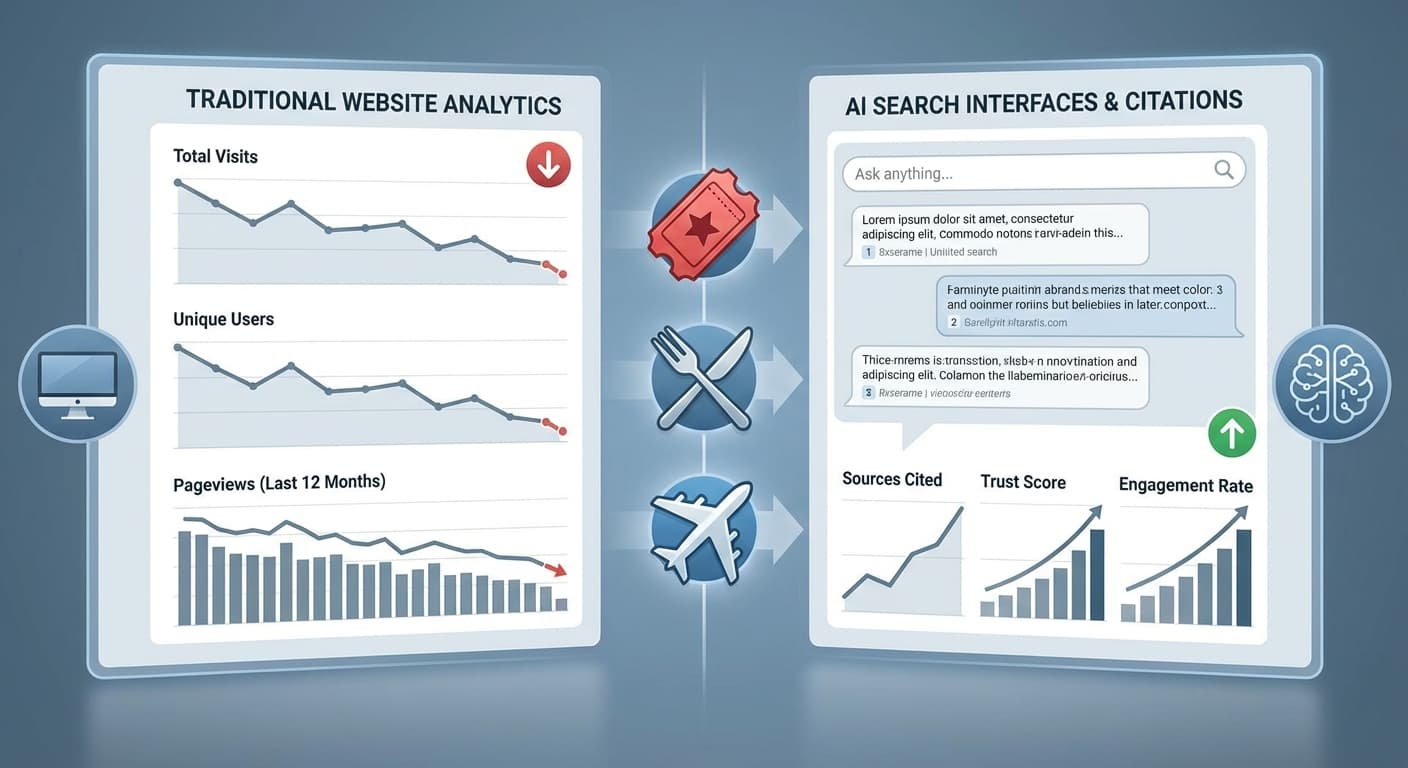
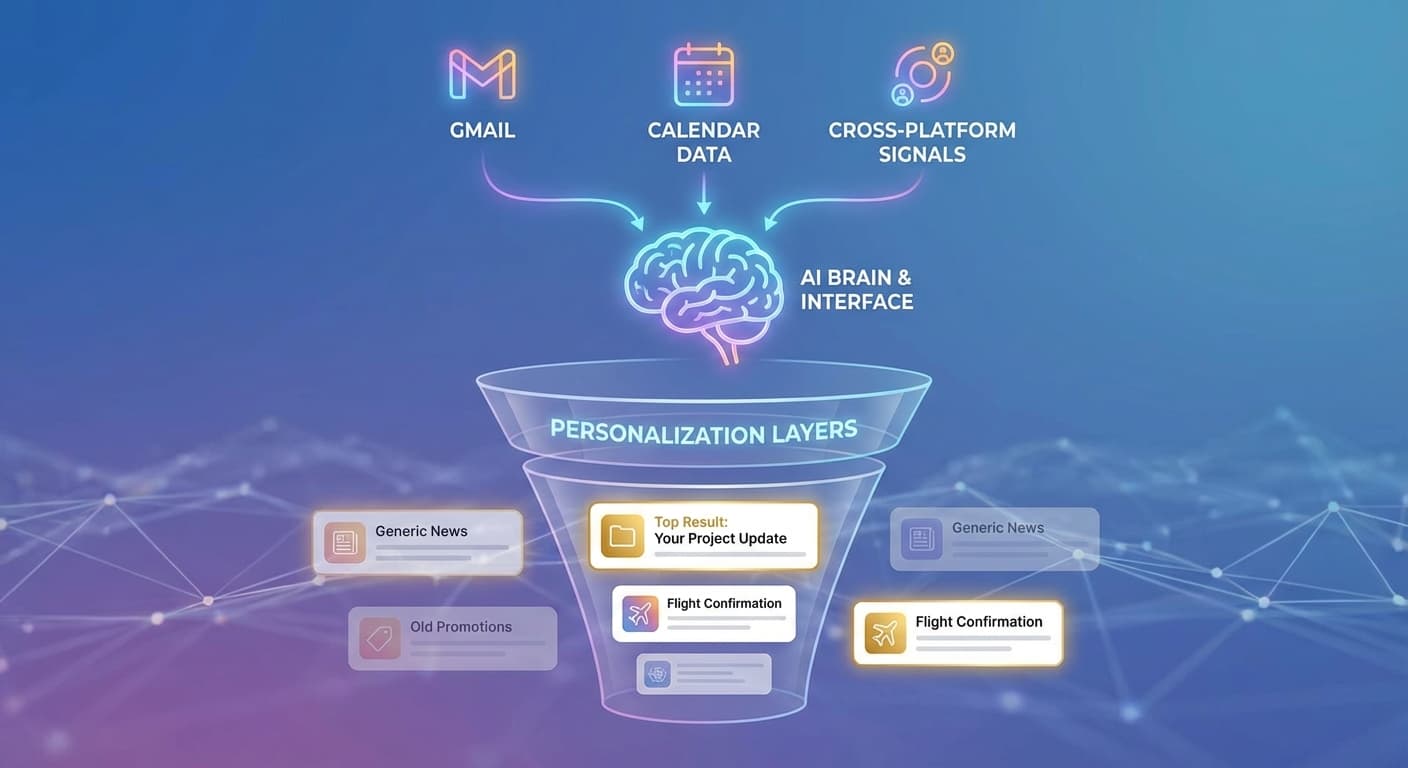
By 2026, AI search engines have evolved far beyond simple keyword matching. They now leverage multi-horizon user models that analyze everything from your Gmail calendar patterns to your cross-platform behavior history. While this creates incredibly personalized experiences for users, it's created a massive challenge for content creators: your perfectly optimized content might be completely invisible to new prospects.
Recent studies show that 73% of AI search results are now personalized based on user behavior patterns, making traditional SEO strategies less effective for reaching cold audiences. If you're wondering why your content isn't getting the AI citations it used to, this shift might be the culprit.
Understanding AI's New Personalization Layer
Modern AI search engines like ChatGPT, Perplexity, Claude, and Gemini don't just analyze your content anymore—they analyze the person asking the question. These systems now build sophisticated user profiles that include:
This means your content about "project management software" might be shown to someone who has recurring calendar meetings about project planning, but completely hidden from a startup founder who's never used project management tools—even if that founder would benefit more from your content.
The Cold Prospect Problem
Here's where it gets tricky for content marketers. AI systems are becoming increasingly conservative about showing content to users who don't have established patterns indicating interest in that topic. This creates what experts call "personalization silos":
Why Your Content Goes Invisible
Strategies to Break Through Personalization Barriers
1. Create Universal Entry Points
Develop content that appeals to broader, more universal needs rather than niche-specific pain points. Instead of "Advanced B2B Lead Generation Tactics," try "How to Find Your Next Best Customer." The broader appeal increases your chances of breaking into new user profiles.
2. Layer Multiple Intent Signals
Structure your content to trigger multiple user personas and use cases. Include:
3. Optimize for Discovery Moments
Focus on content that matches "discovery" rather than "solution" intent:
These types of content are more likely to be shown to users exploring new topics.
4. Use Cross-Referenced Authority Signals
AI engines look for content that's referenced across different contexts. Build authority by:
5. Implement Semantic Bridging
Use language and concepts that bridge different user contexts. For example, if you're writing about marketing automation, also include terms and concepts from:
This helps AI systems understand your content's relevance to users with different backgrounds.
Advanced Optimization Techniques
Content Layering Strategy
Structure your content with multiple "entry levels":
Layer 1: Universal problem statements everyone can relate to
Layer 2: Industry-specific applications
Layer 3: Technical implementation details
Layer 4: Advanced optimization tactics
This approach ensures AI systems can find relevant sections for users at different expertise levels.
Multi-Modal Signals
Include diverse content formats within single pieces:
Temporal Optimization
Consider timing signals in your content:
Measuring Success in the Personalized Era
New Metrics to Track
Testing Personalization Impact
To understand how personalization affects your content visibility:
How Citescope Ai Helps Navigate Personalization
Citescope Ai's GEO Score analyzes your content across five critical dimensions that matter for breaking through personalization barriers. The platform's AI Interpretability score specifically measures how well your content can be understood and cited across different user contexts—crucial for reaching cold prospects.
The Citation Tracker feature becomes even more valuable in this personalized landscape, as it shows you exactly when and how your content gets cited across ChatGPT, Perplexity, Claude, and Gemini. This data helps you identify which pieces successfully break through personalization silos and which need optimization.
Future-Proofing Your Content Strategy
As AI personalization becomes more sophisticated, consider these long-term strategies:
Build Content Ecosystems
Create interconnected content that addresses the same topic from multiple angles, increasing your chances of reaching users through different entry points.
Invest in Broad Authority
Develop expertise signals across adjacent topics and industries, not just your core niche.
Monitor Personalization Trends
Stay updated on how different AI platforms evolve their personalization algorithms and adjust your strategy accordingly.
Test Continuously
Regularly audit your content's visibility across different user contexts and optimization for broader appeal when necessary.
The Bottom Line
AI search personalization is reshaping how content gets discovered and cited. While this creates challenges for reaching new audiences, understanding these systems' mechanics gives you a competitive advantage. The key is creating content that's valuable and discoverable across multiple user contexts while maintaining your expertise and authority.
Success in this new landscape requires balancing personalization-friendly optimization with broad appeal—a challenge that's becoming increasingly complex as AI systems evolve.
Ready to Optimize for AI Search?
Don't let AI personalization hide your content from potential customers. Citescope Ai helps you optimize content that breaks through personalization barriers while maintaining high relevance scores. Our GEO Score analyzes exactly how well your content performs across different user contexts, and our Citation Tracker shows you real results across all major AI search platforms. Start with our free tier and see how your content performs in the age of personalized AI search.