AI & SEO

How to Optimize Content for Agentic AI Agents: The Future of Automated Search and Commerce

January 17, 20268 min read
How to Optimize Content for Agentic AI Agents: The Future of Automated Search and Commerce

How to Optimize Content for Agentic AI Agents: The Future of Automated Search and Commerce

Imagine an AI agent that autonomously researches vacation destinations, compares hotel prices across dozens of platforms, reads reviews, checks availability, and books your entire trip—all while you sleep. This isn't science fiction; it's happening right now in 2026. With over 40% of online transactions now involving some form of AI agent assistance, and autonomous AI agents handling $2.3 trillion in global commerce annually, the way we create and optimize content is fundamentally changing.

Understanding Agentic AI: Beyond Simple Search

Agentic AI agents represent a quantum leap from traditional search engines. While ChatGPT or Perplexity might answer your questions, agentic AI systems like AutoGPT, BabyAGI, and emerging commercial agents from Google, Microsoft, and Amazon actively pursue goals, make decisions, and execute actions without constant human oversight.

These agents don't just search—they:

  • Research comprehensively across multiple sources

  • Compare options using sophisticated decision matrices

  • Negotiate prices and terms automatically

  • Execute transactions based on predefined parameters

  • Learn from outcomes to improve future decisions
  • The Scale of Agentic AI in 2026

    Current market data reveals the explosive growth of agentic AI:

  • 78% of Fortune 500 companies now use AI agents for procurement

  • Consumer-facing AI agents handle 23% of all e-commerce research

  • B2B sales agents influence $890 billion in purchasing decisions annually

  • 65% of Gen Z consumers have used an AI agent to make a purchase
  • How Agentic AI Agents Evaluate Content

    Unlike human readers who might skim headlines or get distracted, agentic AI agents analyze content with laser focus on specific evaluation criteria:

    1. Structured Data Recognition

    Agentic AI prioritizes content with clear, machine-readable structure. This includes:

  • Schema markup for products, services, and reviews

  • Standardized pricing information in recognizable formats

  • Comparison tables with consistent data points

  • API-accessible data for real-time verification
  • 2. Authority and Trustworthiness Signals

    AI agents are programmed to minimize risk, making authority crucial:

  • Verified business credentials and certifications

  • Third-party review aggregation and authenticity

  • Historical performance data and reliability metrics

  • Transparent pricing and terms of service
  • 3. Decision-Making Utility

    Content must directly support the agent's decision-making process:

  • Clear feature comparisons

  • Quantifiable benefits and ROI data

  • Risk assessment information

  • Integration capabilities and technical specifications
  • Optimizing Content for Agentic AI Discovery

    Create Agent-Friendly Content Structure

    Use Semantic HTML and Schema Markup
    html
    <div itemscope itemtype="https://schema.org/Product">
    <h2 itemprop="name">Enterprise CRM Solution</h2>
    <div itemprop="offers" itemscope itemtype="https://schema.org/Offer">
    <span itemprop="price">$299</span>
    <span itemprop="priceCurrency">USD</span>
    </div>
    </div>


    Implement Standardized Comparison Formats

  • Use consistent table structures for feature comparisons

  • Include quantifiable metrics (response time, uptime percentages, ROI figures)

  • Provide clear yes/no answers for capability questions
  • Optimize for Automated Research Patterns

    Agentic AI agents follow predictable research patterns:

  • Initial Discovery: Broad category searches

  • Criteria Establishment: Feature and requirement identification

  • Vendor Comparison: Head-to-head analysis

  • Deep Dive Research: Technical specifications and reviews

  • Risk Assessment: Security, compliance, and reliability checks

  • Final Selection: Cost-benefit analysis and decision
  • Content Strategy for Each Phase:

    Phase 1-2: Discovery Content

  • Comprehensive category overview pages

  • "Ultimate Guide" resources with complete feature lists

  • Industry-specific use case documentation
  • Phase 3-4: Comparison Content

  • Detailed competitor comparison charts

  • Technical specification databases

  • Case studies with measurable outcomes
  • Phase 5-6: Decision Support Content

  • ROI calculators and cost analysis tools

  • Security and compliance documentation

  • Implementation timelines and support information
  • Implement Agent-Accessible Data Formats

    JSON-LD for Rich Data

    {
    "@context": "https://schema.org",
    "@type": "SoftwareApplication",
    "name": "Your Product",
    "applicationCategory": "BusinessApplication",
    "operatingSystem": "Web Browser",
    "offers": {
    "@type": "Offer",
    "price": "299.00",
    "priceCurrency": "USD"
    }
    }


    API Integration Points

  • Provide real-time pricing APIs

  • Offer availability and inventory feeds

  • Enable automated quote generation

  • Support integration testing environments
  • Advanced Optimization Strategies

    1. Predictive Content Creation

    Analyze agent search patterns to anticipate information needs:

  • Monitor which data points agents consistently request

  • Identify common decision criteria across your industry

  • Create content that answers multi-step research processes

  • Develop agent-specific landing pages
  • 2. Dynamic Content Adaptation

    Implement systems that adapt content based on agent behavior:

  • A/B testing specifically for AI agent interactions

  • Dynamic pricing displays based on agent negotiation patterns

  • Contextual content serving based on agent goals

  • Real-time inventory and availability updates
  • 3. Multi-Modal Content Optimization

    Agentic AI agents increasingly process multiple content types:

  • Image Recognition: Optimize product images with detailed alt text and structured data

  • Video Processing: Provide transcripts and structured chapter markers

  • Document Analysis: Create machine-readable PDFs with proper metadata

  • Audio Content: Include detailed transcriptions and topic timestamps
  • 4. Conversation Design for AI Agents

    As agents become more conversational, optimize for natural language patterns:

  • Use question-and-answer formats

  • Include conversational keywords and phrases

  • Structure content to answer follow-up questions

  • Provide clear, quotable statements about key benefits
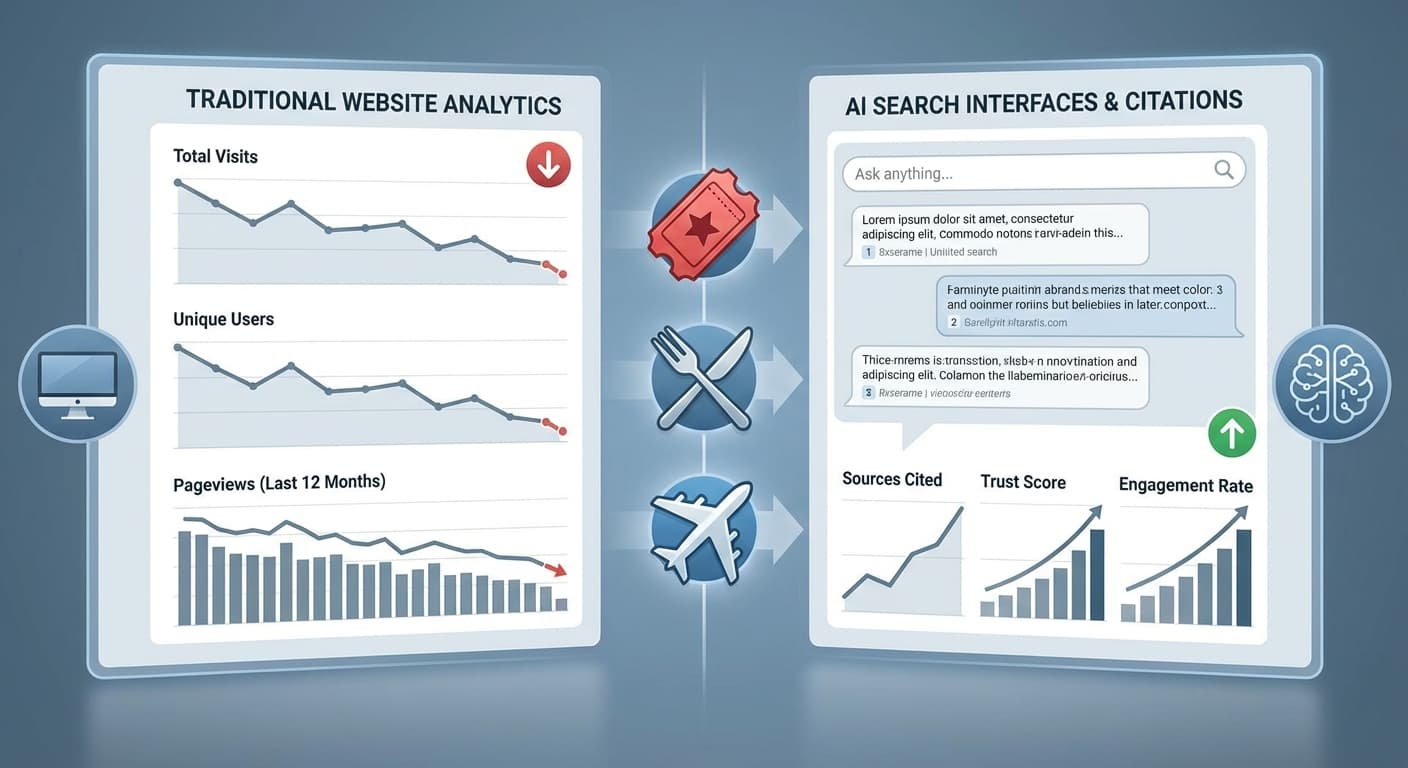
  • Measuring Success in the Agentic AI Era

    Key Performance Indicators (KPIs)

    Agent Engagement Metrics:

  • API calls and data requests from AI systems

  • Time spent by agents analyzing your content

  • Conversion rates from agent-driven traffic

  • Agent return visits and repeat interactions
  • Business Impact Metrics:

  • Revenue attributed to AI agent referrals

  • Cost per acquisition for agent-driven leads

  • Customer lifetime value from agent-discovered customers

  • Market share growth in agent-accessible channels
  • Tools for Tracking Agent Activity

  • Server log analysis for API and structured data requests

  • Schema markup validation tools

  • AI agent simulation platforms for testing

  • Specialized analytics for non-human traffic patterns
  • While building comprehensive tracking systems can be complex, tools like Citescope are already helping content creators monitor and optimize for AI agent interactions, providing insights into how different AI systems discover and utilize content.

    Industry-Specific Optimization Tips

    B2B Software and Services


  • Emphasize integration capabilities and API documentation

  • Provide detailed ROI calculations and implementation timelines

  • Include comprehensive feature matrices and compliance information

  • Offer trial access and demo scheduling for agent evaluation
  • E-commerce and Retail


  • Implement real-time inventory and pricing APIs

  • Provide detailed product specifications and comparison data

  • Include shipping, return, and warranty information in structured formats

  • Enable automated reordering and subscription management
  • Financial Services


  • Focus on regulatory compliance and security certifications

  • Provide transparent fee structures and terms

  • Include risk assessments and performance history

  • Enable automated account opening and verification processes
  • How Citescope Helps Navigate the Agentic AI Landscape

    As agentic AI reshapes content discovery, tools like Citescope become invaluable for staying ahead of the curve. Citescope's GEO Score analyzes your content across five critical dimensions that directly impact agentic AI visibility:

  • AI Interpretability: Ensures your content is structured for machine understanding

  • Semantic Richness: Optimizes for the deep contextual analysis agents perform

  • Conversational Relevance: Adapts content for natural language processing

  • Structure: Implements the organized formats agents prioritize

  • Authority: Builds the trust signals that risk-averse agents require
  • The Citation Tracker feature is particularly valuable for monitoring agentic AI engagement, as it tracks when your content gets referenced by major AI systems, providing insights into which optimization strategies are working.

    Future-Proofing Your Content Strategy

    Emerging Trends to Watch

    Multi-Agent Collaboration: By late 2026, we'll see agent networks where multiple AI systems collaborate on complex research and purchasing decisions.

    Personalized Agent Behaviors: AI agents will develop unique "personalities" and preferences based on their human users' patterns.

    Cross-Platform Agent Migration: Agents will seamlessly move between platforms, requiring consistent optimization across all touchpoints.

    Real-Time Negotiation: Advanced agents will negotiate pricing and terms automatically, requiring dynamic content strategies.

    Building an Adaptable Framework

  • Invest in structured data infrastructure that can evolve with new standards

  • Develop API-first content strategies that support programmatic access

  • Create modular content systems that can be recombined for different agent needs

  • Build feedback loops to continuously learn from agent interactions

  • Stay informed about emerging agent capabilities and requirements
  • Ready to Optimize for AI Search?

    The agentic AI revolution is transforming how content gets discovered, evaluated, and acted upon. As autonomous agents become the primary interface between businesses and consumers, optimizing for their unique needs isn't optional—it's essential for survival.

    Citescope makes this transformation manageable with tools designed specifically for the AI-driven future. Our GEO Score helps you understand exactly how well your content performs across the dimensions that matter most to AI agents, while our Citation Tracker shows you which AI systems are actually finding and using your content.

    Ready to future-proof your content strategy? Start your free Citescope trial today and see how your content performs in the agentic AI landscape. With 3 free optimizations per month, you can begin adapting your most important pages right away.
    Agentic AIAI AgentsContent OptimizationAI CommerceFuture of Search

    Track your AI visibility

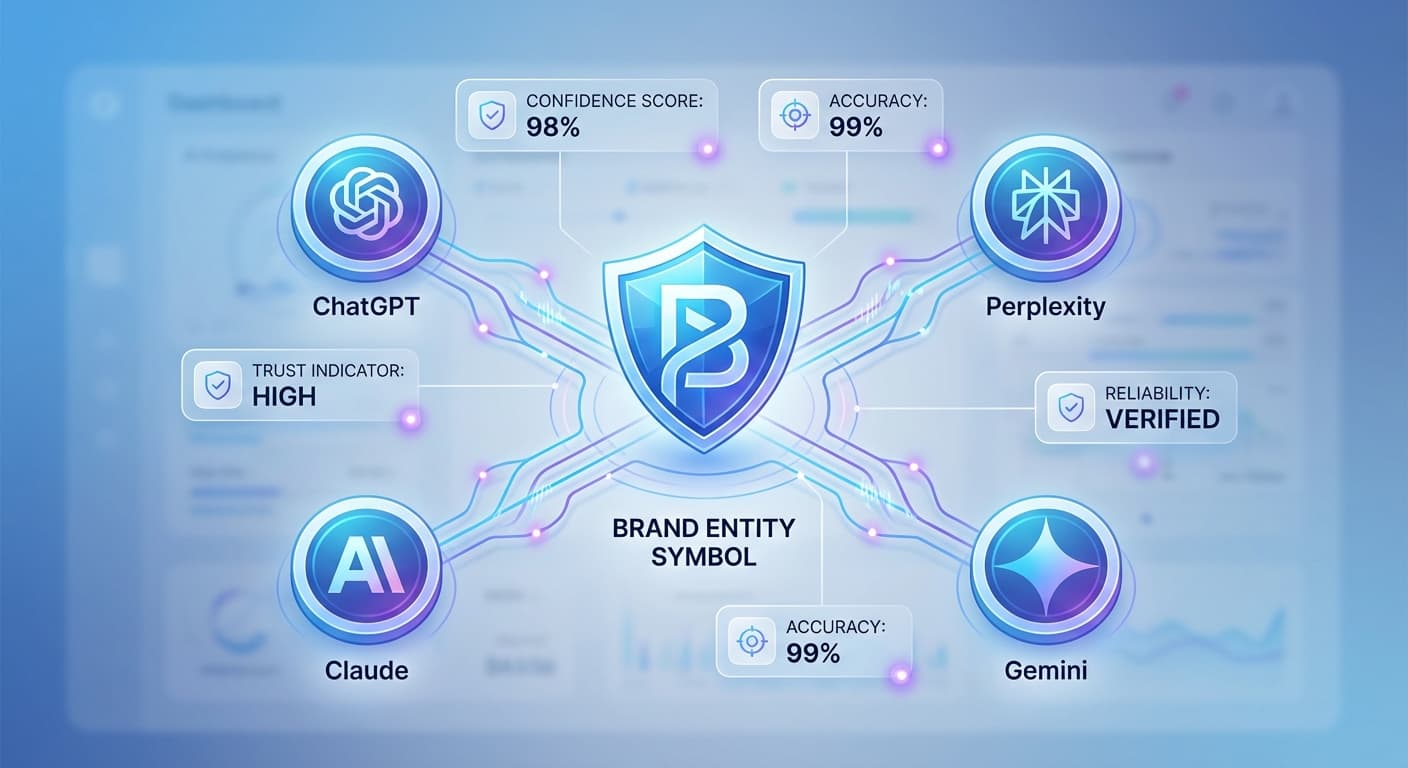
    See how your content appears across ChatGPT, Perplexity, Claude, and more.

    Start for Free