How to Monitor Your Brand's Visibility Across AI Search Platforms in 2026
How to Monitor Your Brand's Visibility Across AI Search Platforms in 2026
Did you know that 73% of business leaders report their brands are now being mentioned in AI-generated responses, yet only 28% actively monitor these citations? With AI search platforms handling over 40% of all search queries in 2026, your brand's visibility in ChatGPT, Perplexity, Claude, and Google's AI Overviews has become just as critical as traditional SEO rankings.
The shift is undeniable: Gen Z users conduct 76% of their searches through conversational AI, while business decision-makers increasingly rely on AI tools for research and purchasing decisions. If you're not tracking how AI engines present your brand, you're essentially flying blind in the new search landscape.
Why AI Search Visibility Matters More Than Ever
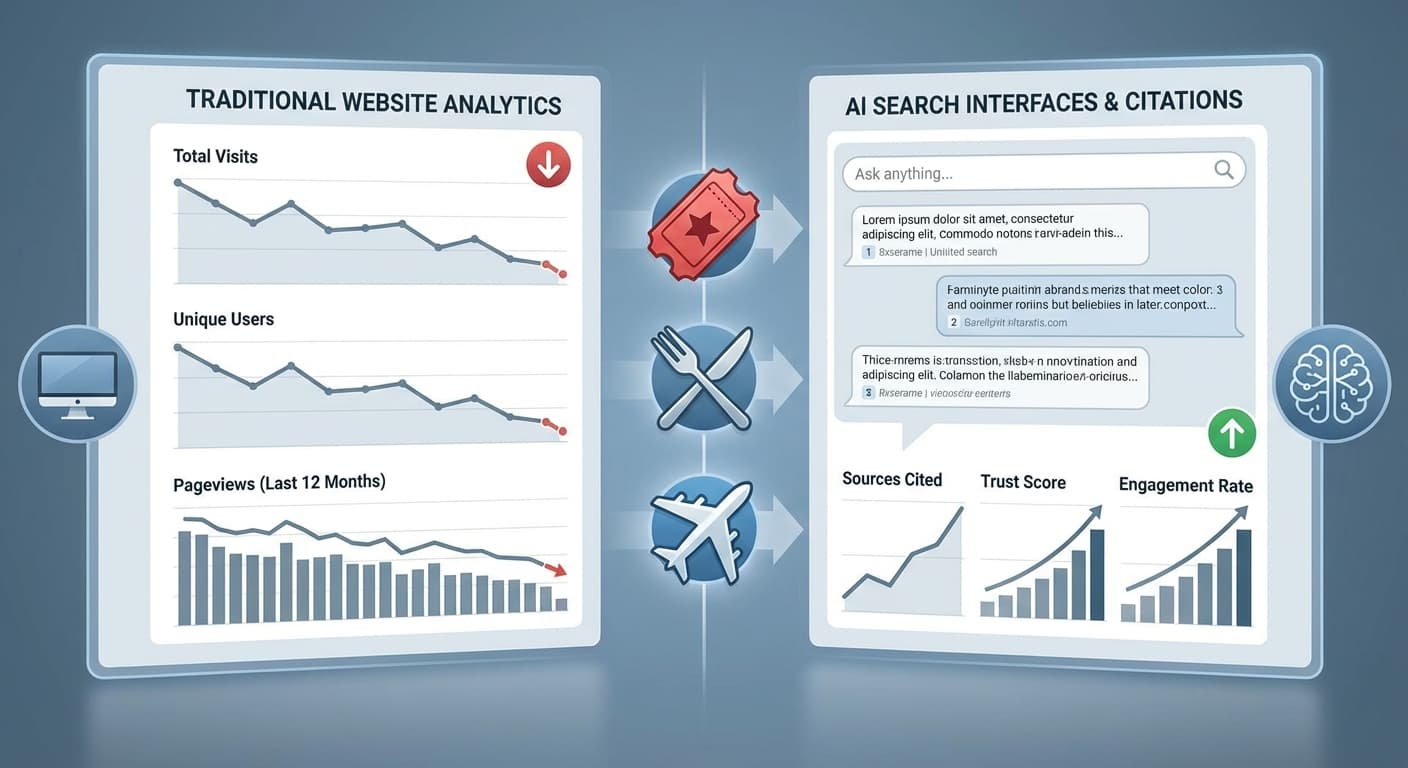
Traditional search gave you ten blue links and clear visibility into where your content ranked. AI search is different—it synthesizes information from multiple sources and presents a single, conversational response. Your brand might be mentioned positively, negatively, or not at all, and without proper monitoring, you won't know which scenario is playing out.
Consider this: when someone asks ChatGPT "What's the best project management software for startups?", the AI's response could make or break your quarterly sales targets. Yet most brands have zero visibility into these critical moments.
The New Citation Economy
AI search platforms operate on what we call a "citation economy." Unlike traditional search where being #1 meant everything, AI responses often cite 3-5 sources, creating multiple winners. However, the quality and context of these citations vary dramatically:
Without monitoring, you can't distinguish between these citation types or optimize your strategy accordingly.
Key AI Platforms to Monitor
ChatGPT and GPT-4
With over 200 million weekly active users, ChatGPT dominates conversational search. The platform frequently cites recent sources and tends to favor comprehensive, authoritative content. Monitor for:
Perplexity AI
Perplexity's real-time web integration makes it particularly important for brand monitoring. It often provides more recent information and includes clickable citations. Key areas to track:
Google's AI Overviews
Google's AI-powered search results appear for 67% of commercial queries. These overviews significantly impact click-through rates to traditional search results. Monitor:
Claude and Other Emerging Platforms
Anthropic's Claude and newer platforms like Grok are gaining traction, especially in professional contexts. While smaller, they often influence early adopters and industry leaders.
Effective Monitoring Strategies
1. Set Up Systematic Query Testing
Create a comprehensive list of queries relevant to your brand:
Brand-specific queries:
Category queries:
Problem-solving queries:
Test these queries weekly across all major AI platforms and document the responses.
2. Create a Citation Tracking Spreadsheet
Manual monitoring works for small-scale efforts. Create columns for:
3. Monitor Competitor Visibility
Track not just your own mentions but how competitors appear in AI responses. This intelligence helps you:
4. Analyze Response Patterns
Look for patterns in how AI platforms cite your brand:
Advanced Monitoring Techniques
Geographic and Language Variations
AI responses can vary by user location and language. Test queries from different geographic locations using VPNs, and consider non-English queries if you serve international markets.
Persona-Based Testing
AI platforms sometimes tailor responses based on implied user personas. Test queries as different user types:
Temporal Monitoring
AI responses can change based on recent events, updates, or trending topics. Monitor:
Red Flags to Watch For
Negative or Inaccurate Information
Complete Absence from Relevant Queries
Context Problems
Turning Insights Into Action
Once you've identified visibility gaps or problems:
How Citescope Streamlines AI Visibility Monitoring
While manual monitoring provides valuable insights, it's time-intensive and difficult to scale. This is where specialized tools become essential.
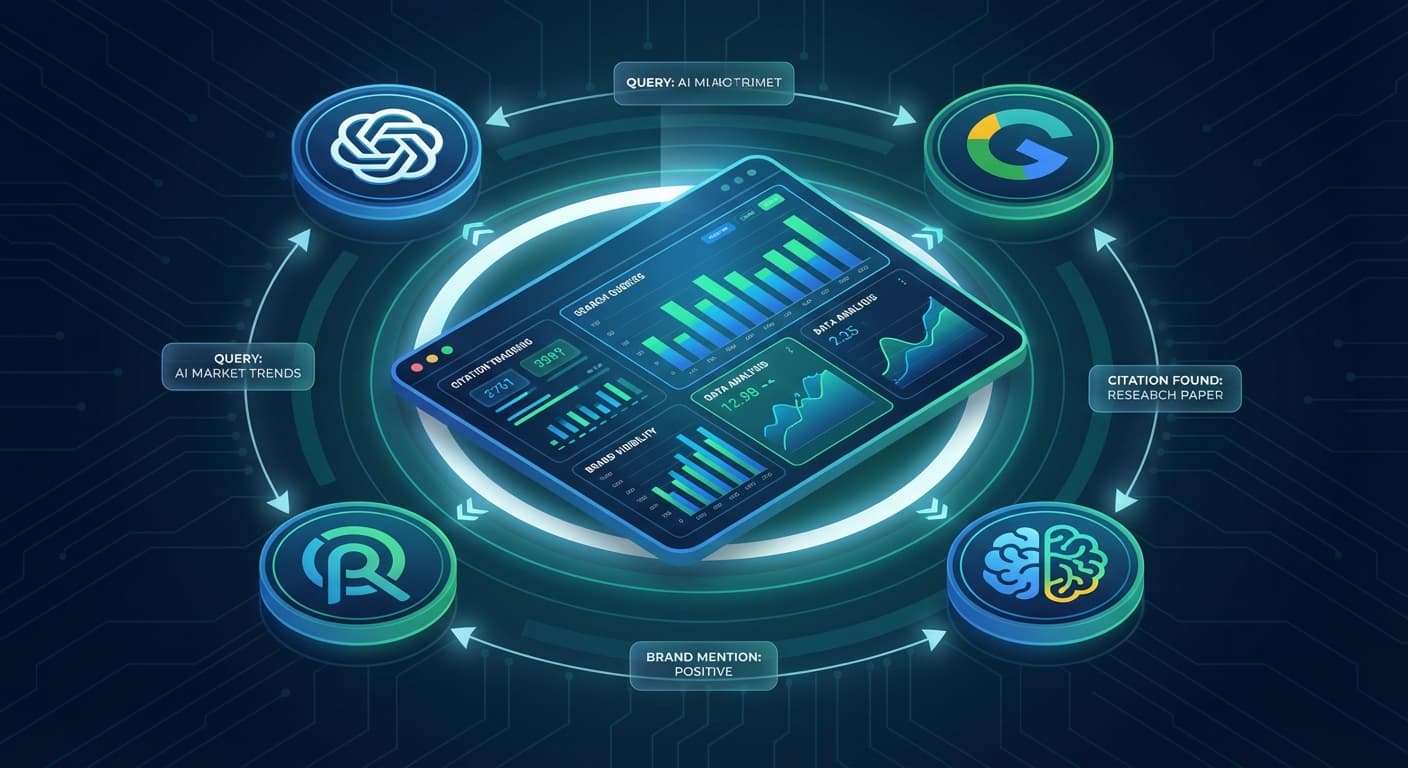
Citescope's Citation Tracker automatically monitors your brand mentions across ChatGPT, Perplexity, Claude, and other major AI platforms. Instead of manually testing hundreds of queries, you get:
The platform's GEO Score also analyzes your content across five dimensions critical for AI visibility, while the AI Rewriter optimizes existing content for better citation potential.
Building Your Monitoring Workflow
Week 1: Baseline Assessment
Weeks 2-4: Competitive Analysis
Month 2+: Optimization and Tracking
Ongoing: Refinement and Scaling
Ready to Master AI Search Visibility?
Monitoring your brand's visibility across AI search platforms isn't just about vanity metrics—it's about understanding and influencing how your target audience discovers and perceives your brand in 2026's AI-first search landscape.
Start with manual monitoring to understand the landscape, then scale with purpose-built tools like Citescope to maintain consistent visibility tracking. The brands that master AI search monitoring today will dominate the conversations that matter tomorrow.
Ready to see where your brand appears in AI search results? Try Citescope's Citation Tracker free for 14 days and discover exactly how ChatGPT, Perplexity, and other AI platforms are presenting your brand to potential customers. Sign up today and turn AI search visibility into your competitive advantage.