How to Maintain Organic Traffic Growth When AI Overviews Reduce Click-Through Rates
How to Maintain Organic Traffic Growth When AI Overviews Reduce Click-Through Rates
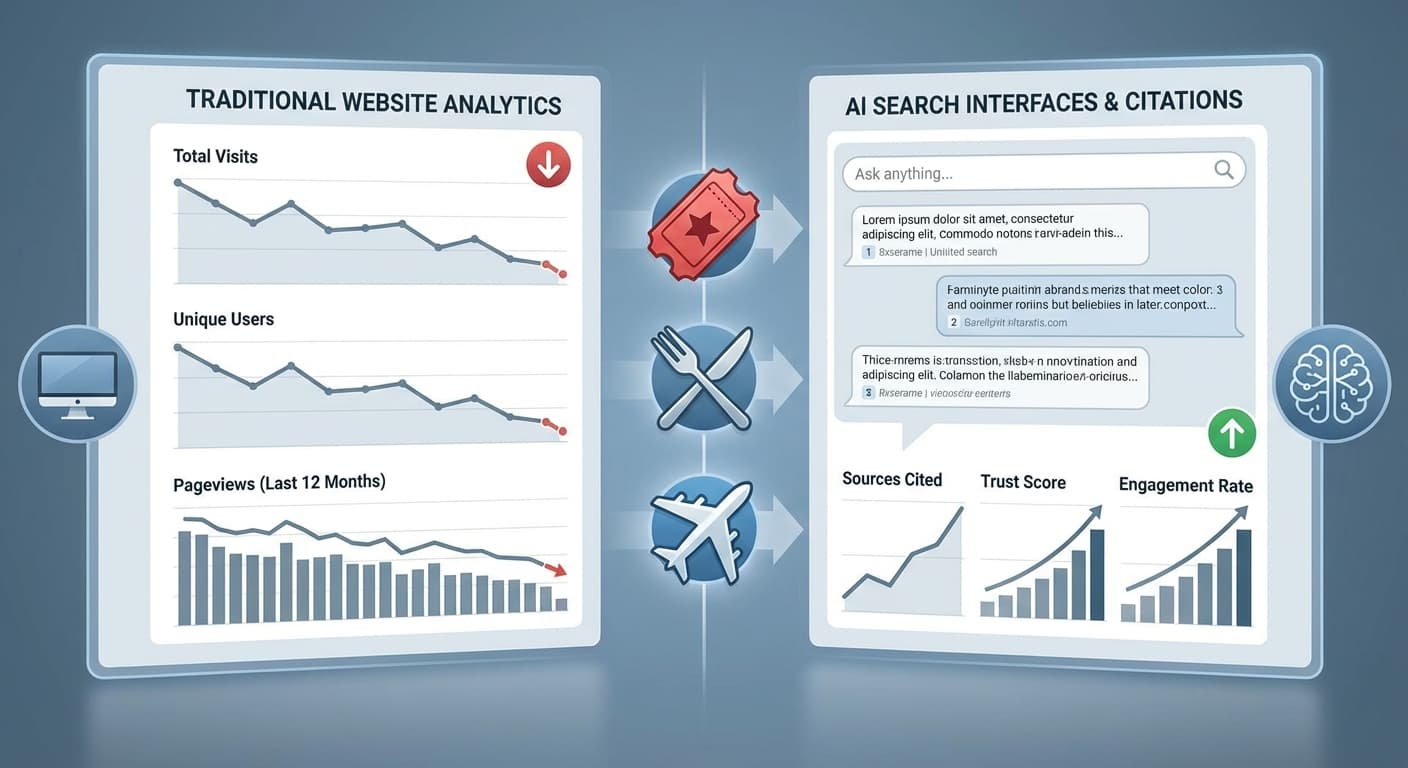
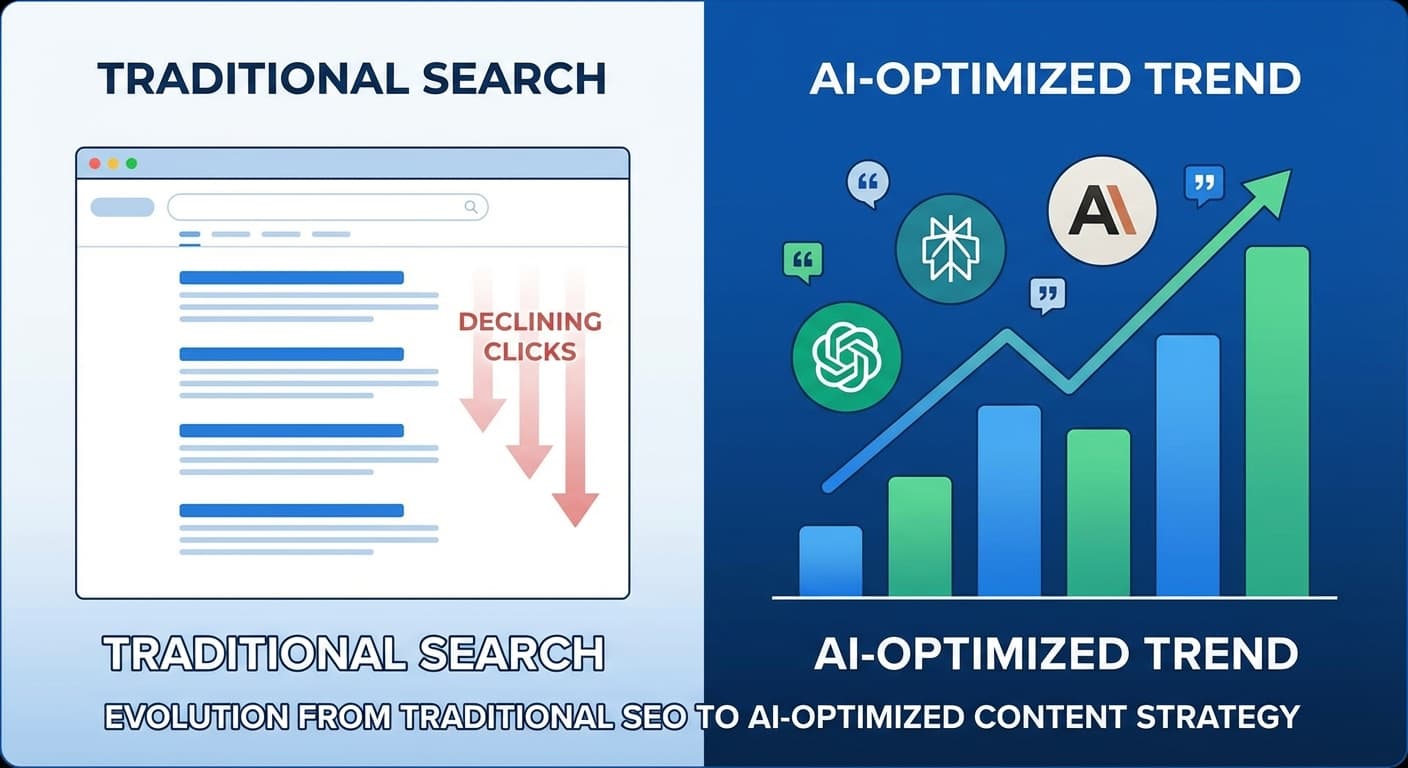
By 2026, AI-powered search features have fundamentally transformed how users interact with search results. With Google's AI Overviews now appearing in over 60% of queries and AI search platforms like ChatGPT, Perplexity, and Claude capturing 35% of all search volume, traditional click-through rates from organic search have dropped by an average of 23% across industries.
But here's the paradox: while fewer users are clicking through to websites, the ones who do are more qualified and engaged than ever before. Smart content creators and marketers are adapting their strategies not just to survive this shift, but to thrive in the AI-first search landscape.
The New Reality of AI-Dominated Search
The numbers tell a clear story about how search behavior has evolved:
This shift means that traditional SEO metrics like CTR and raw traffic volume are becoming less reliable indicators of success. The focus is now shifting toward quality engagement, brand visibility within AI responses, and capturing users at different stages of their search journey.
Why Traditional Traffic Strategies Are Failing
Many websites are experiencing traffic declines because they're still optimizing for 2024's search landscape. Here's what's not working anymore:
Outdated Content Strategies
Misaligned User Intent
Strategic Approaches to Maintain Traffic Growth
1. Become the Authoritative Source AI Engines Cite
AI search engines need to reference credible sources for their responses. When your content becomes a go-to resource for AI models, you benefit from:
Action Steps:
2. Optimize for Conversational and Long-Tail Queries
While broad keywords face increased competition from AI overviews, specific, conversational queries still drive significant traffic:
High-Opportunity Query Types:
Implementation Strategy:
3. Develop Content That Requires User Interaction
Certain types of content naturally require users to visit your website, making them immune to AI overview competition:
Interactive Content Types:
4. Focus on Intent-Based Content Clusters
Instead of targeting individual keywords, create comprehensive content ecosystems that address entire user journeys:
Example Content Cluster Structure:
This approach helps you capture traffic at multiple touchpoints and provides more value than AI can deliver in a single response.
5. Leverage Video and Visual Content
AI overviews primarily focus on text-based answers, creating opportunities for multimedia content:
Optimize video content with detailed transcripts and descriptions to help AI engines understand and potentially reference your visual content.
Advanced Strategies for AI-Era Traffic Growth
Build Topical Authority Systematically
AI engines favor sources that demonstrate comprehensive expertise in specific domains. Build this by:
Optimize for AI Search Platforms Directly
Beyond Google, optimize for direct discovery on AI platforms:
Track Beyond Traditional Metrics
Expand your measurement approach to include:
How Citescope Helps Navigate the AI Search Landscape
As AI search continues to reshape organic traffic patterns, tools like Citescope have become essential for content creators who want to maintain and grow their visibility. Citescope's GEO Score analyzes your content across five critical dimensions that directly impact AI search performance: AI Interpretability, Semantic Richness, Conversational Relevance, Structure, and Authority.
The platform's AI Rewriter can transform existing content with one click, optimizing it for better visibility across ChatGPT, Perplexity, Claude, and Gemini. Meanwhile, the Citation Tracker monitors when your content gets referenced by these AI engines, helping you understand which pieces are resonating and driving indirect traffic.
With multi-format export capabilities, you can implement optimizations across different content management systems, ensuring your entire content ecosystem is prepared for AI-first search.
Measuring Success in the New Search Landscape
Redefine your success metrics to align with AI-era search behavior:
Primary Metrics
Secondary Metrics
The Long-Term Outlook
While AI overviews and direct AI search may reduce immediate click-through rates, they're also creating new opportunities for brands that adapt quickly. By 2027, experts predict that:
The key is to view AI not as competition, but as a new distribution channel that requires different optimization strategies.
Ready to Optimize for AI Search?
Don't let AI overviews drain your organic traffic. Citescope helps you optimize your content for visibility across all major AI search engines while tracking your citations and measuring your AI search performance. Start with our free tier and get 3 content optimizations to see how AI-optimized content can improve your search visibility and maintain your traffic growth. Try Citescope today and turn the AI search revolution into your competitive advantage.