How to Get Your Content Into AI Search Overviews and Maintain Visibility Beyond Traditional SEO Rankings
How to Get Your Content Into AI Search Overviews and Maintain Visibility Beyond Traditional SEO Rankings
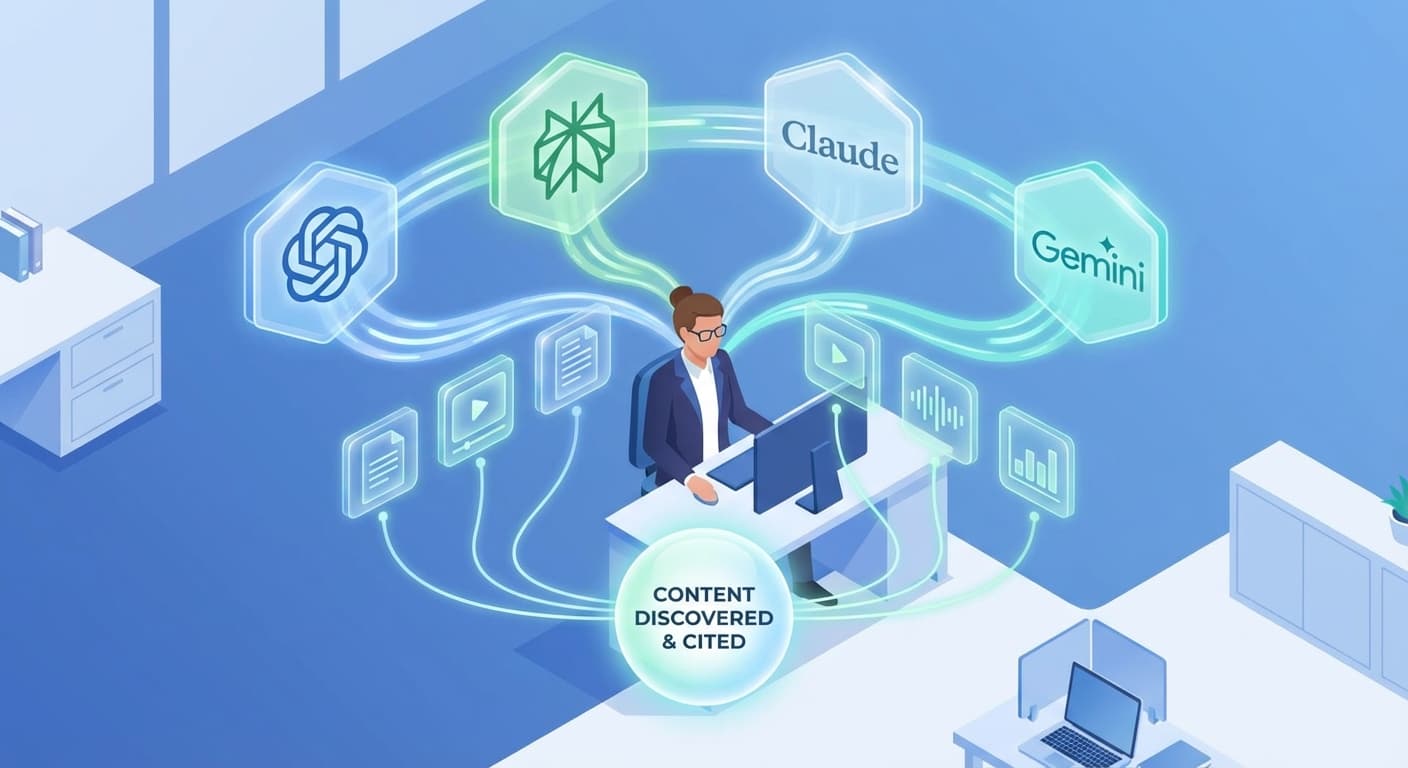
When ChatGPT provides a research summary to one of its 500+ million weekly users, or when Perplexity generates an overview for a complex query, where does that information come from? The answer might surprise you: it's not just the top Google results anymore.
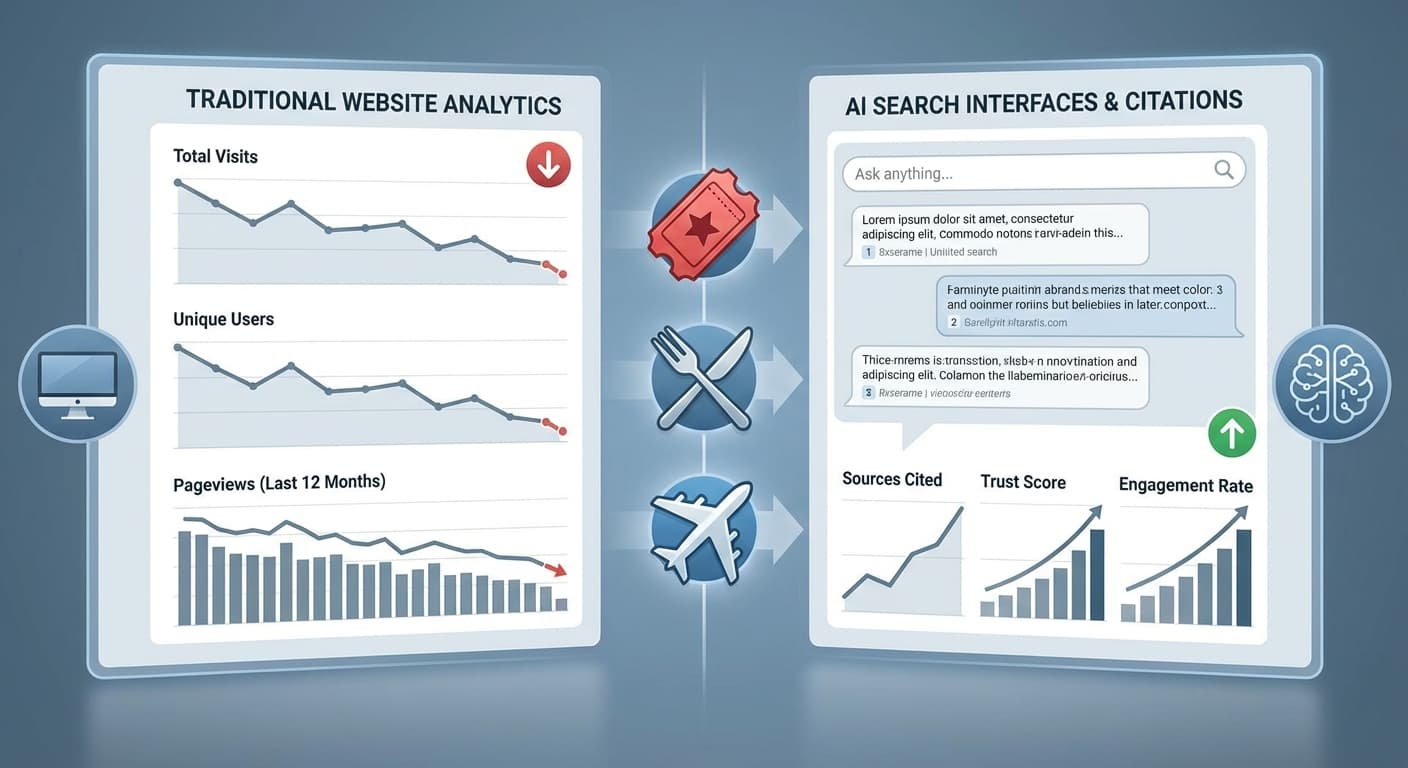
AI search engines are fundamentally reshaping how content gets discovered and cited. While traditional SEO focused on ranking #1 on Google, AI search prioritizes content that can be synthesized, cited, and referenced across conversational queries. In 2025, over 35% of all search queries now happen through AI-powered interfaces, and this percentage is climbing rapidly among younger demographics—with 78% of Gen Z regularly using AI for research.
The rules have changed. Getting your content into AI search overviews requires a completely different approach than traditional SEO, but the rewards are significant: consistent citations, increased authority, and visibility that transcends page rankings.
Understanding AI Search Overviews vs. Traditional Search Results
What Are AI Search Overviews?
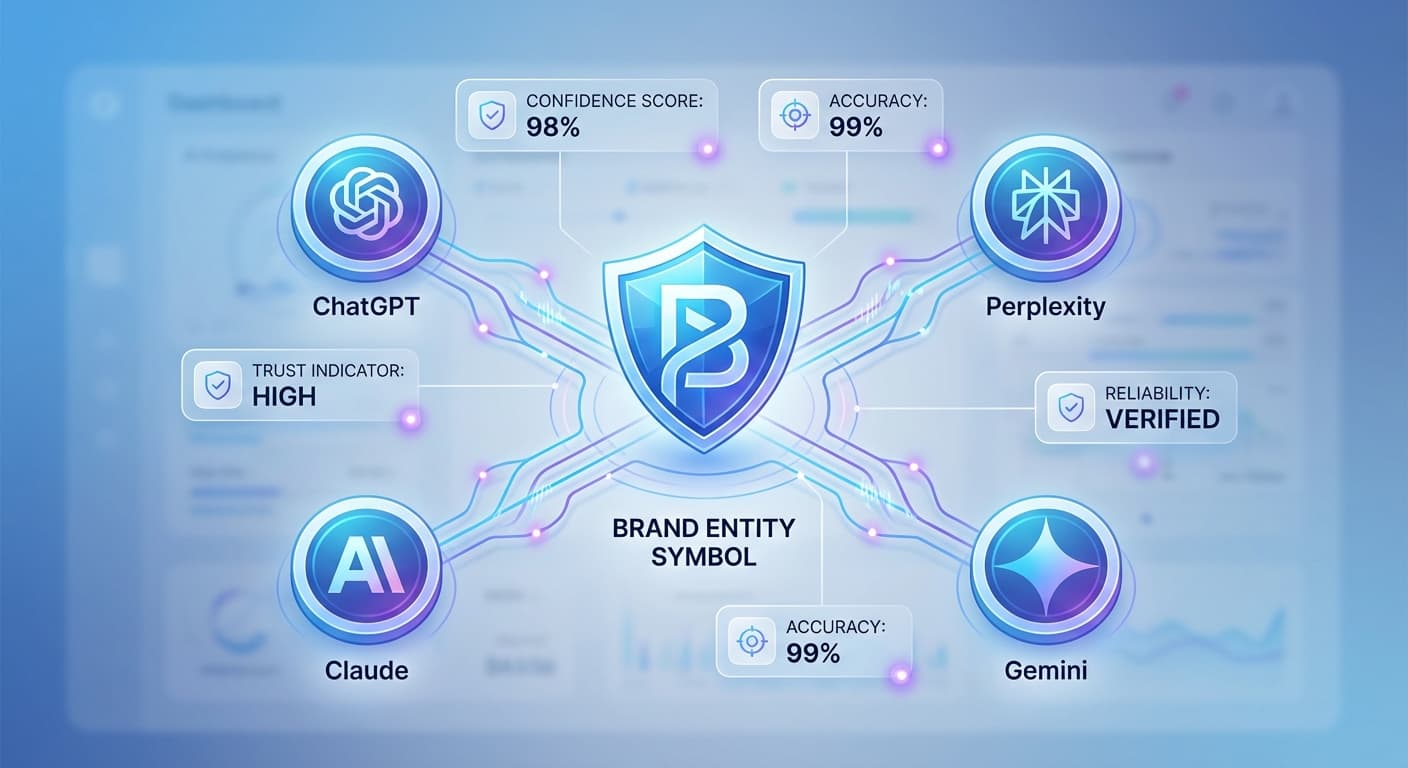
AI search overviews are comprehensive responses generated by AI engines like ChatGPT, Perplexity, Claude, and Gemini when users ask complex questions. Unlike traditional search results that list links, AI overviews:
The Citation Revolution
Here's what's fascinating: AI engines don't just use the #1 Google result. They pull from sources that best answer specific aspects of a query, often citing content from pages that rank #5, #15, or even deeper in traditional search results.
This means your content can gain visibility based on its actual value and relevance to specific queries, not just its domain authority or backlink profile.
The New Rules: What AI Search Engines Actually Want
1. Semantic Richness Over Keyword Density
AI engines understand context, synonyms, and related concepts far better than traditional search algorithms. Instead of repeating the same keyword, focus on:
2. Conversational Relevance
AI search queries are often conversational: "How do I optimize my website for voice search?" rather than "voice search optimization." Your content should:
3. Structured Authority
While backlinks still matter, AI engines also evaluate:
Practical Strategies for AI Search Visibility
Strategy 1: Create Definitive Resource Content
AI engines love comprehensive resources that thoroughly cover a topic. Instead of writing surface-level articles, create:
Strategy 2: Optimize Content Structure
AI engines parse content structure to understand hierarchy and importance:
Strategy 3: Focus on Answer Intent
Traditional SEO targeted search terms; AI optimization targets answer intent:
Strategy 4: Enhance Semantic Understanding
Help AI engines understand your content's context:
Technical Optimization for AI Discoverability
Schema Markup for AI Understanding
While not always required, structured data helps AI engines understand your content:
Content Formatting Best Practices
Internal Linking Strategy
Create topic clusters that help AI engines understand your expertise:
Measuring Success in the AI Search Era
Beyond Traditional Metrics
While page views and rankings still matter, new metrics are emerging:
Tools and Tracking
Traditional analytics tools don't capture AI search citations. You need specialized tracking to understand:
This is where dedicated AI citation tracking becomes invaluable. Tools like Citescope monitor when your content appears in ChatGPT, Perplexity, Claude, and Gemini responses, giving you insight into your true AI search visibility.
Common Mistakes to Avoid
Over-Optimizing for Traditional SEO
While traditional SEO still matters, over-optimization can hurt AI visibility:
Neglecting Content Quality
AI engines are sophisticated enough to recognize thin or duplicate content:
Ignoring User Intent
AI search is fundamentally about serving user needs:
The Future of Content Visibility
As AI search continues to evolve, several trends are shaping the landscape:
Content creators who adapt early to these changes will establish lasting visibility advantages.
How Citescope Helps Optimize for AI Search
While understanding AI search principles is important, implementing them effectively requires the right tools and insights. This is where Citescope becomes invaluable for content creators serious about AI search visibility.
GEO Score Analysis: Citescope's proprietary GEO Score evaluates your content across five critical dimensions that AI engines prioritize: AI Interpretability, Semantic Richness, Conversational Relevance, Structure, and Authority. Instead of guessing whether your content is AI-optimized, you get a clear 0-100 score with specific improvement recommendations.
One-Click AI Optimization: The AI Rewriter feature automatically restructures your content for better AI visibility, incorporating the semantic richness, conversational patterns, and structural elements that AI engines prefer—without losing your unique voice or messaging.
Real Citation Tracking: Most importantly, Citescope monitors when your content actually gets cited by ChatGPT, Perplexity, Claude, and Gemini. You can see exactly which pieces of content are getting AI citations, what types of queries trigger them, and how your optimization efforts are performing in real-world AI search scenarios.
Multi-Format Export: Once optimized, export your content as Markdown, HTML, or WordPress blocks to seamlessly integrate with your existing publishing workflow.
Ready to Optimize for AI Search?
The shift from traditional SEO to AI search optimization isn't just a trend—it's a fundamental change in how people discover and consume content. While the strategies above provide a solid foundation, successfully navigating this transition requires ongoing monitoring, optimization, and adaptation.
Citescope makes this transition manageable by providing the tools, insights, and tracking capabilities you need to thrive in the AI search era. Start with our free tier (3 optimizations per month) to experience how AI-optimized content performs, then scale with Pro ($39/mo) or Enterprise ($99/mo) plans as your citation success grows.
Start optimizing for AI search with Citescope's free trial today →
The future of content discovery is already here. The question isn't whether you'll adapt to AI search—it's how quickly you can establish your visibility in this new landscape.