How to Get Your Content Cited in AI Overviews: The New SEO Strategy for 2026
How to Get Your Content Cited in AI Overviews: The New SEO Strategy for 2026
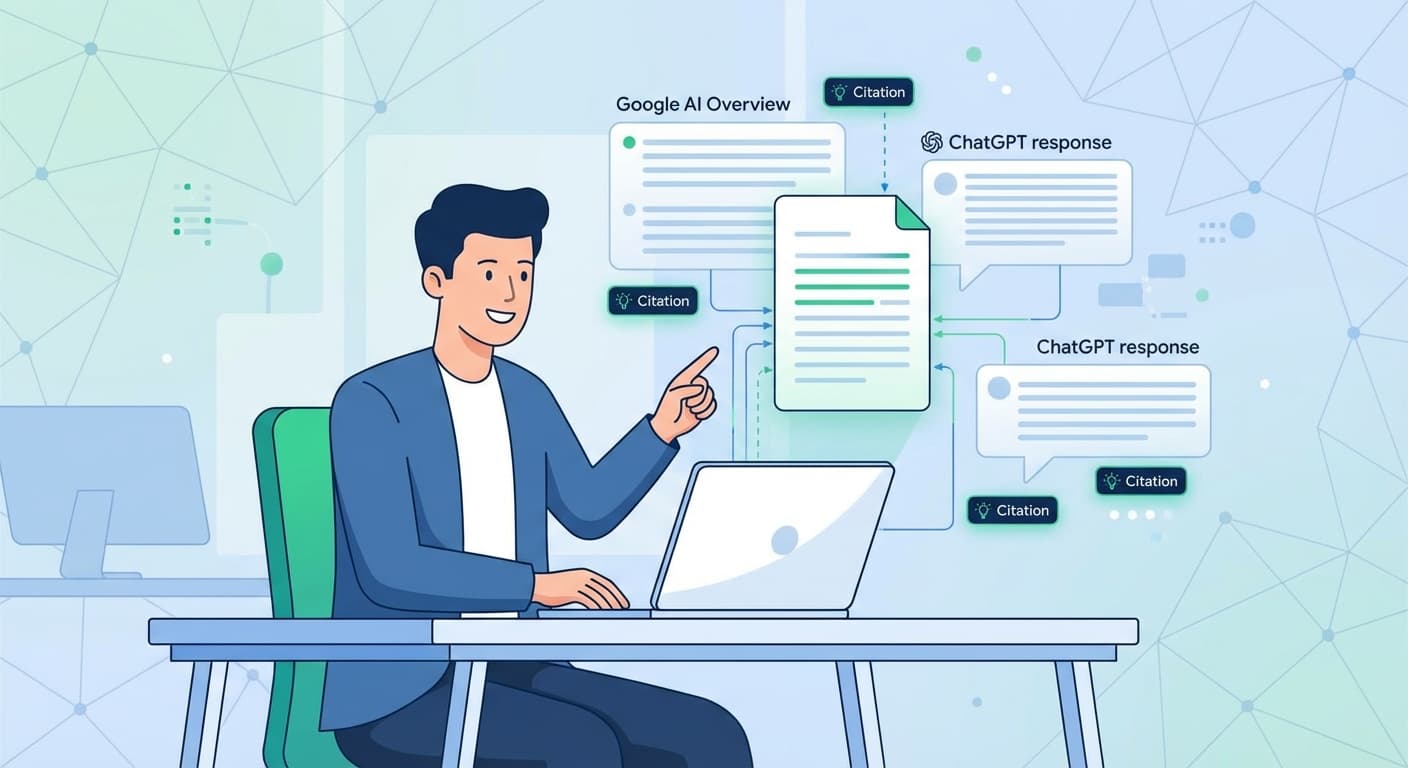
By 2026, AI search has fundamentally transformed how users find information. With over 40% of all searches now generating AI-powered overviews in Google, Bing, and specialized platforms like Perplexity, the question isn't whether your content ranks—it's whether AI engines actually cite and reference your expertise in their responses.
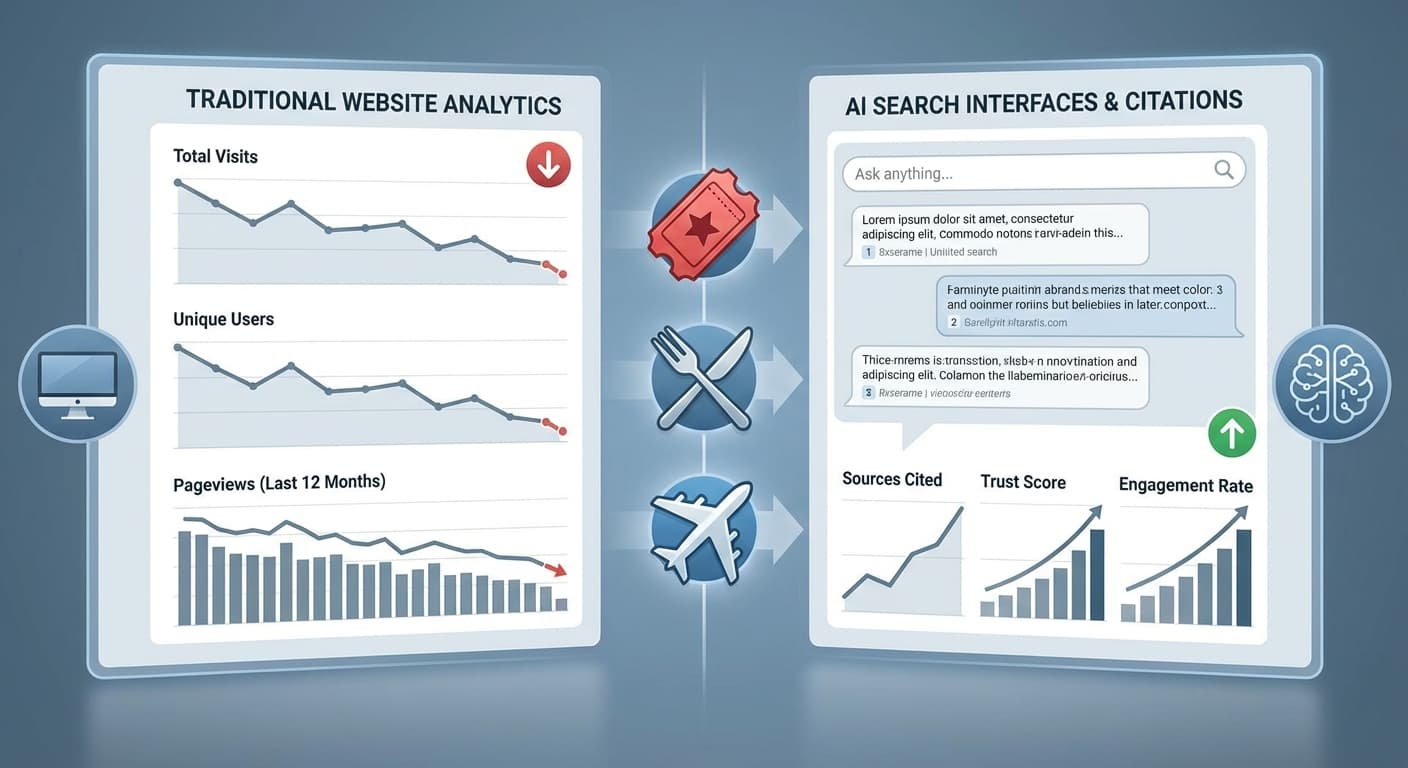
The stakes couldn't be higher. While traditional SEO focused on getting that coveted #1 ranking, today's reality is different: users increasingly rely on AI-generated summaries without clicking through to individual websites. In fact, recent studies show that AI overviews receive 60% more engagement than traditional search results, making citation in these responses the new holy grail of digital visibility.
The AI Citation Revolution: Why Rankings Aren't Enough Anymore
Traditional SEO metrics are becoming less relevant as AI search engines like ChatGPT (with over 200 million weekly users), Google's AI Overviews, and Perplexity reshape how information is consumed. When someone searches "best marketing strategies for 2026," they're no longer scanning through 10 blue links. Instead, they're reading a comprehensive AI-generated response that synthesizes information from multiple sources.
Here's the critical shift: being ranked #1 doesn't guarantee citation. AI engines evaluate content differently, prioritizing sources that are:
Understanding How AI Engines Select Sources for Citations
The Authority Algorithm
AI search engines don't just look at domain authority—they evaluate content authority. This means a well-structured, expert-level blog post from a smaller site can outrank a poorly organized page from a major publication. The key factors include:
Content Depth and Expertise: AI engines favor sources that demonstrate deep subject matter knowledge through comprehensive coverage, specific examples, and nuanced insights.
Citation Patterns: Content that already references credible sources is more likely to be referenced itself. It's a virtuous cycle of credibility.
Recency and Relevance: With real-time information processing, AI engines heavily weight recent, up-to-date content that addresses current trends and developments.
The Structure Advantage
AI engines are essentially sophisticated reading machines. They excel at parsing well-organized content but struggle with dense, unstructured text. This creates a significant opportunity for content creators who understand how to format for machine readability.
7 Proven Strategies to Get Cited in AI Overviews
1. Master the Art of Question-First Content Creation
Start every piece of content by identifying the specific questions your audience asks AI engines. In 2026, successful content creators think like AI prompt engineers, crafting content that directly addresses query intent.
Actionable Tip: Use question-based headings that mirror natural language queries:
2. Implement the EEAT Framework for AI
Google's Expertise, Authoritativeness, and Trustworthiness (EEAT) guidelines have evolved for AI search. Add "Accessibility" as the fourth pillar—making your expertise easily digestible for AI processing.
Expertise Signals for AI:
Authoritativeness Markers:
3. Optimize for Semantic Richness
AI engines understand context through entity relationships and semantic connections. The most-cited content creates rich webs of related concepts, synonyms, and contextual information.
Implementation Strategy:
4. Structure Content for AI Consumption
AI engines process information hierarchically. Your content structure should mirror how AI systems organize and retrieve information.
Optimal Content Architecture:
5. Perfect Your Answer-First Writing Style
Unlike traditional SEO content that builds to a conclusion, AI-optimized content leads with clear, direct answers followed by supporting details and context.
The AI-First Formula:
6. Leverage Data and Statistics Strategically
AI engines prioritize content that includes current, accurate data. However, it's not just about including statistics—it's about presenting them in a context that AI can easily parse and cite.
Best Practices:
7. Build Citation-Worthy Thought Leadership
The most-cited content in AI overviews often comes from sources that consistently publish unique insights, original research, or expert commentary on trending topics.
Thought Leadership Tactics:
How Citescope Helps Optimize Your Content for AI Citations
While understanding these strategies is crucial, implementing them consistently across all your content can be challenging. This is where specialized tools become invaluable.
Citescope's GEO Score analyzes your content across five critical dimensions that AI engines prioritize: AI Interpretability, Semantic Richness, Conversational Relevance, Structure, and Authority. Instead of guessing whether your content will perform well in AI search, you get a clear 0-100 score with specific recommendations for improvement.
The platform's AI Rewriter feature takes the guesswork out of optimization, automatically restructuring your content to improve its chances of being cited by ChatGPT, Perplexity, Claude, and Google's AI Overviews. More importantly, the Citation Tracker monitors when your content actually gets referenced, helping you understand which optimization strategies work best for your specific niche and audience.
Measuring Success: Beyond Traditional Metrics
Success in AI citation requires new metrics. Traditional page views and click-through rates don't capture the full picture when your content is being cited and referenced without direct traffic.
Key AI Citation Metrics:
Common Mistakes That Prevent AI Citations
Even well-intentioned content creators make critical errors that prevent AI citations:
Over-Optimization: Keyword stuffing and unnatural language patterns that worked for traditional SEO can actually hurt AI visibility.
Insufficient Context: AI engines need comprehensive context to understand when and how to cite your content appropriately.
Poor Mobile Experience: With mobile-first AI search becoming dominant, content must be optimized for mobile consumption.
Outdated Information: AI engines heavily penalize outdated or inaccurate information, making regular content updates essential.
The Future of AI Citations: What's Coming in 2026
As we progress through 2026, several trends are reshaping AI citation strategies:
Multi-Modal Content: AI engines are increasingly incorporating video, audio, and image content into their responses, creating new citation opportunities.
Real-Time Updates: The ability to update content in real-time as situations develop will become a major competitive advantage.
Personalized Citations: AI engines are beginning to personalize citations based on user preferences and search history.
Cross-Platform Consistency: Content that performs well across multiple AI platforms (ChatGPT, Claude, Perplexity, Google AI) will dominate citations.
Ready to Optimize for AI Search?
Getting cited in AI overviews isn't about gaming the system—it's about creating genuinely valuable content that serves users' needs while meeting the technical requirements of AI engines. The strategies outlined above provide a roadmap, but consistent implementation and measurement are key to long-term success.
Citescope makes this process manageable by providing the tools, insights, and tracking capabilities you need to succeed in AI search. Start with our free tier to optimize three pieces of content per month, or upgrade to Pro for unlimited optimizations and comprehensive citation tracking across all major AI platforms.
Try Citescope free today and discover which of your content pieces are ready for AI citation—and which need optimization to compete in the new search landscape.