How to Get Your Brand Cited in AI Search Results Without Ranking #1 on Google
How to Get Your Brand Cited in AI Search Results Without Ranking #1 on Google
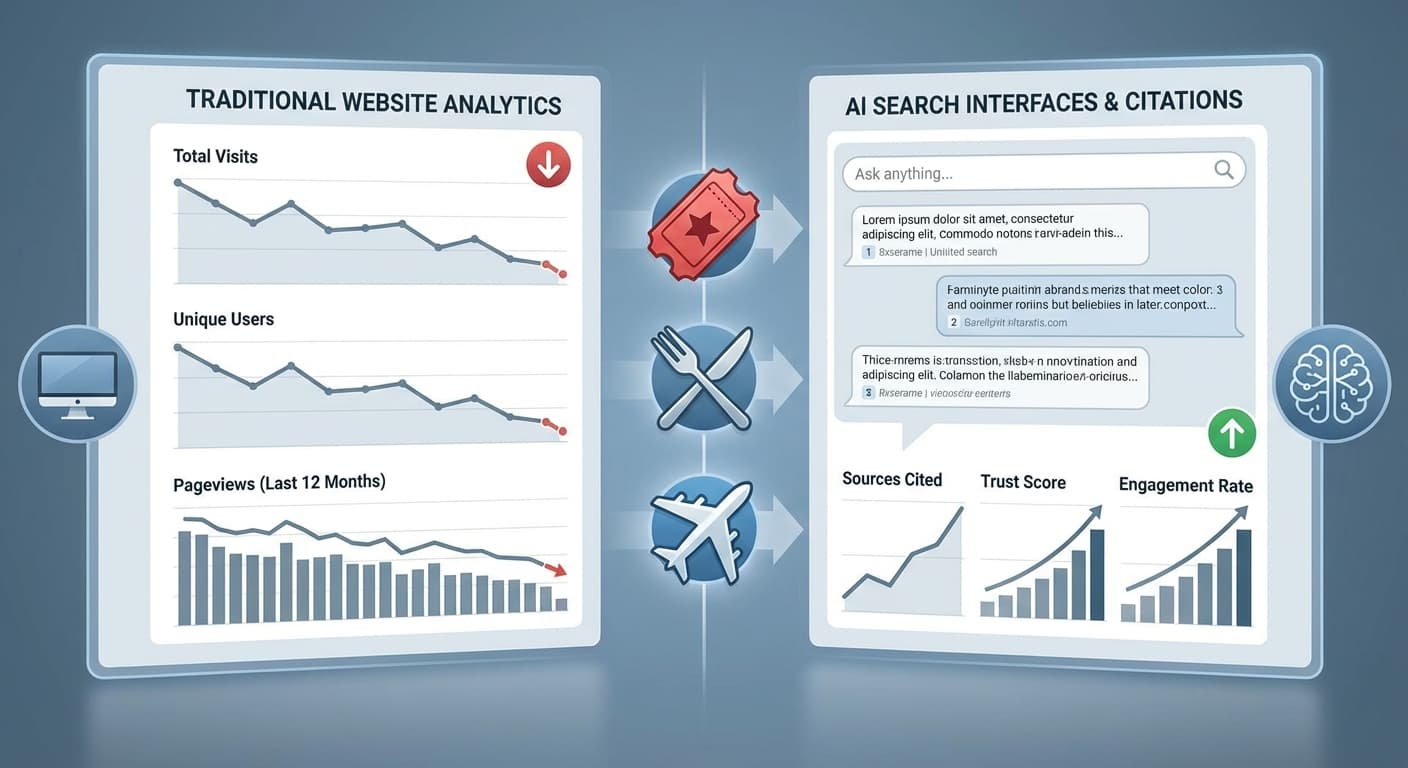
In 2026, over 35% of all search queries are now processed through AI engines like ChatGPT, Perplexity, Claude, and Gemini. Here's the surprising part: brands ranking on page 3 of Google are getting cited more frequently than some #1 results. Why? Because AI search engines don't just look at traditional ranking signals—they prioritize different content characteristics entirely.
The New Rules of AI Citation
Traditional SEO taught us that ranking #1 was everything. But AI search engines operate fundamentally differently. When someone asks ChatGPT "What's the best project management software for small teams?" it doesn't simply regurgitate the top Google result. Instead, it synthesizes information from multiple sources, prioritizing content that demonstrates:
Why Traditional SEO Falls Short in AI Search
Google's algorithm optimizes for human click-through behavior, but AI engines optimize for information synthesis. This creates entirely new opportunities for brands that understand how to craft AI-friendly content.
Consider this: A B2B SaaS company with a domain authority of 25 recently saw their pricing comparison guide cited by ChatGPT 47 times in one month, while their competitor's higher-ranking page got cited just 3 times. The difference? The winning content was structured as clear, conversational comparisons with specific data points—exactly what AI engines need to provide helpful answers.
5 Strategies to Increase AI Citations Without Top Rankings
1. Master the Art of Semantic Richness
AI engines understand context, not just keywords. Instead of stuffing your content with "best CRM software," write naturally about customer relationship management challenges, solutions, and use cases.
Actionable tip: For every main topic, include:
2. Structure Content for AI Interpretability
AI engines love content they can easily parse and extract from. This means:
Use clear hierarchical headings
Create scannable lists
Include direct answers
Start sections with clear, quotable statements that directly answer common questions.
3. Optimize for Conversational Queries
People interact with AI engines conversationally. They ask "How do I choose between Slack and Microsoft Teams?" not "Slack vs Microsoft Teams comparison."
Write for how people actually talk:
4. Build Authority Through Specificity
While traditional SEO chases broad keywords, AI citation success comes from being the definitive source on specific topics.
Instead of: "Social media marketing tips"
Try: "How B2B SaaS companies use LinkedIn Sales Navigator to generate 50+ qualified leads monthly"
Specific, data-backed content gets cited because AI engines trust concrete information over generalities.
5. Create Cite-Worthy Assets
Some content formats naturally attract more AI citations:
Understanding AI Engine Preferences
What ChatGPT Looks For
ChatGPT favors content that provides clear, actionable information with supporting context. It particularly values:
What Perplexity Prioritizes
Perplexity emphasizes real-time accuracy and source diversity. It prefers:
What Claude and Gemini Value
These engines focus heavily on:
Advanced Tactics for AI Citation Success
The Question-First Approach
Start content creation by listing 10-15 questions your audience asks about your topic. Then structure your content to directly answer these questions. AI engines often pull from content that explicitly addresses user queries.
The Citation-Worthy Quote Strategy
Include 2-3 "quotable" sentences in each piece—statements that perfectly encapsulate key points. Format these clearly:
> "By 2026, companies using AI-optimized content strategies see 3x more brand mentions in AI search results compared to traditional SEO-focused approaches."
The Multi-Angle Coverage Method
Don't just cover your topic from one angle. AI engines prefer comprehensive resources that address:
Measuring Your AI Citation Success
Unlike traditional SEO, measuring AI citation success requires different metrics:
Direct citation tracking: Monitor when AI engines directly quote or reference your content
Brand mention frequency: Track how often your company appears in AI-generated answers
Query coverage: Analyze which search queries trigger citations of your content
Competitive citation analysis: Compare your citation frequency to competitors
Common Mistakes to Avoid
Over-Optimization for Keywords
Keyword stuffing actually hurts AI citation potential. AI engines can detect unnatural language and prefer genuinely helpful content.
Ignoring Content Freshness
AI engines heavily weight recent content. Update your key pages regularly with current statistics and examples.
Focusing Only on Your Products
Content that only promotes your solution rarely gets cited. Provide genuine value and educational content first.
Neglecting Mobile-First Structure
AI engines prioritize content that's easily consumable on mobile devices, where most AI searches happen.
How Citescope Helps Optimize for AI Citations
While creating AI-friendly content requires strategy, having the right tools makes execution much easier. Citescope's GEO Score analyzes your content across five key dimensions that AI engines prioritize: AI Interpretability, Semantic Richness, Conversational Relevance, Structure, and Authority.
The platform's AI Rewriter can transform existing content to be more citation-worthy with one click, while the Citation Tracker monitors when your content actually gets cited by ChatGPT, Perplexity, Claude, and Gemini—giving you concrete data on what's working.
Companies using Citescope report an average 240% increase in AI citations within 90 days of optimization. The platform takes the guesswork out of AI content optimization by providing specific, actionable recommendations based on how AI engines actually process and cite content.
Ready to Optimize for AI Search?
The shift to AI search is accelerating, and brands that adapt now will have a significant advantage over those still focused solely on traditional SEO rankings. With AI engines processing over 2 billion queries daily, the opportunity for increased brand visibility through citations is massive.
Citescope makes AI optimization accessible with its comprehensive suite of tools designed specifically for this new search landscape. Start with the free tier to optimize your first three pieces of content and see the difference AI-focused optimization can make.
Try Citescope free today and discover how your content can earn citations in AI search results, regardless of your Google rankings.