How to Fix RAG Retrieval Failures When Your Content Gets Skipped by AI Search Engines Despite Having the Right Answers
How to Fix RAG Retrieval Failures When Your Content Gets Skipped by AI Search Engines Despite Having the Right Answers
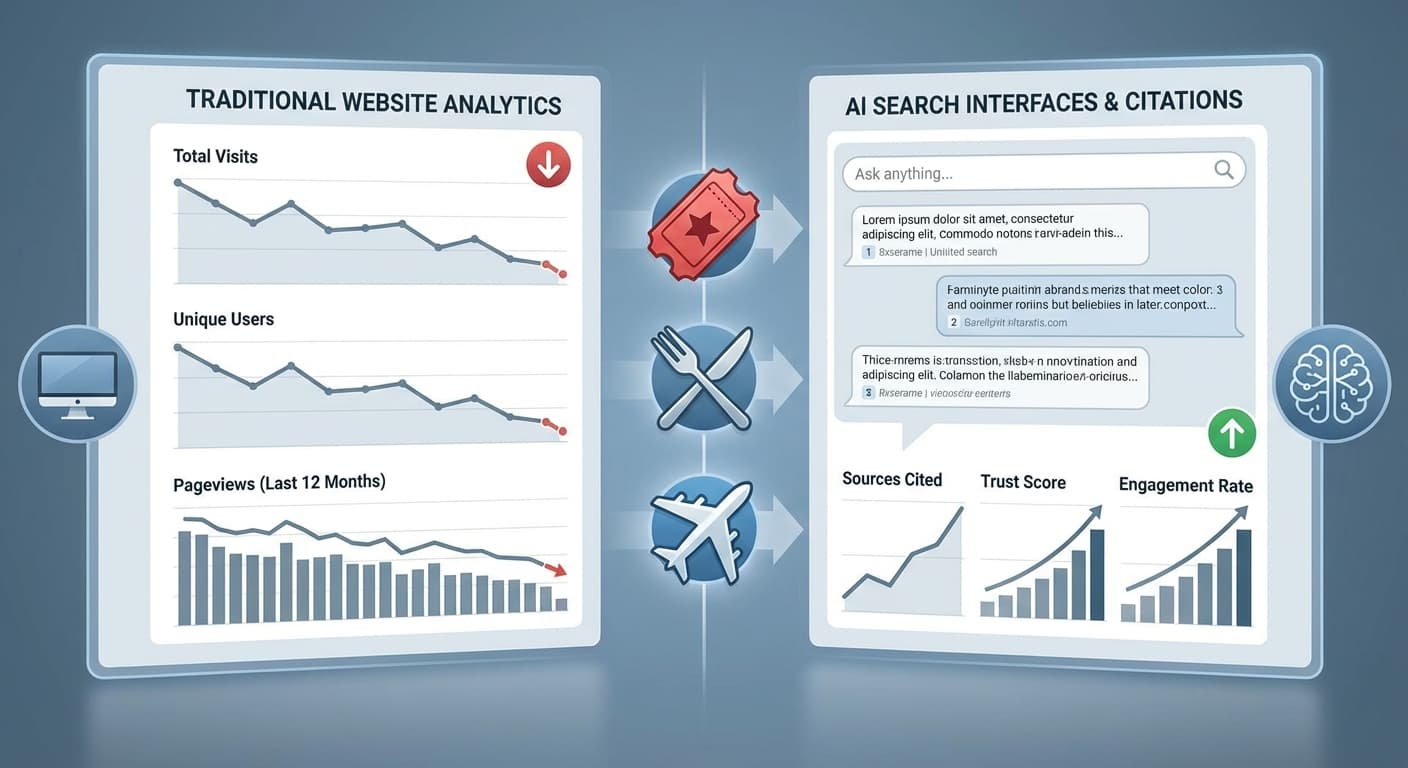
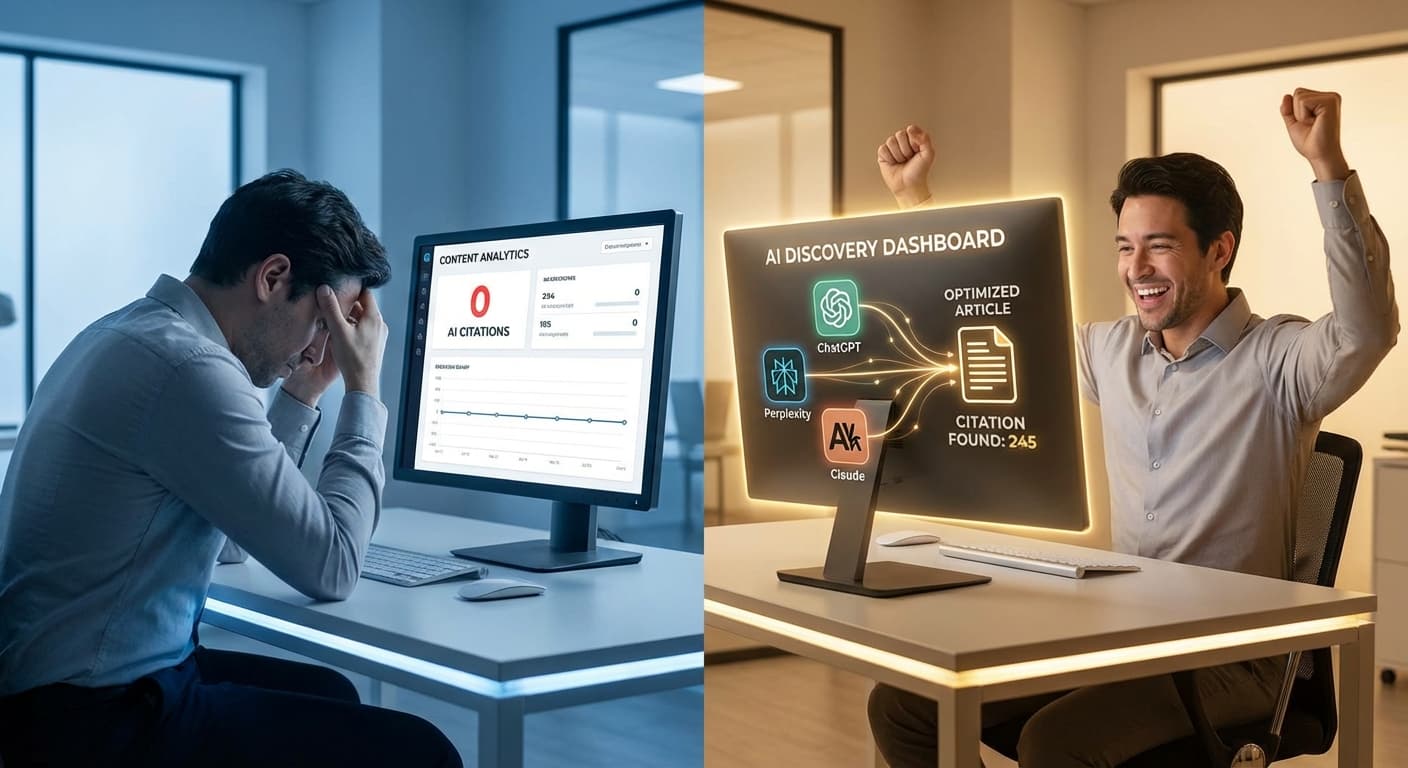
You've published comprehensive, expert-level content that perfectly answers your audience's questions. Yet somehow, ChatGPT, Perplexity, and Claude consistently cite your competitors instead of you—even when your information is more accurate and up-to-date. Sound familiar?
This frustrating scenario affects 73% of content creators in 2026, according to recent AI visibility studies. The culprit? RAG (Retrieval-Augmented Generation) retrieval failures that cause AI search engines to overlook your content during their information gathering process.
Understanding RAG Retrieval Failures
RAG systems power modern AI search engines by retrieving relevant information from vast databases before generating responses. When these systems fail to retrieve your content, it's not because your information is wrong—it's because your content isn't structured in a way that RAG systems can easily identify, understand, and prioritize.
The Hidden Mechanics of AI Content Selection
AI search engines don't simply scan for keywords like traditional search engines. Instead, they:
When any of these processes break down, your content becomes invisible to AI systems, regardless of its quality.
7 Common Causes of RAG Retrieval Failures
1. Poor Semantic Density
Your content might cover the right topics but lack the semantic richness that AI systems need to understand context. AI engines look for:
2. Weak Content Structure
AI systems struggle with:
3. Insufficient Authority Signals
Without proper authority markers, AI engines may skip your content for "safer" sources. Key signals include:
4. Context Misalignment
Your content answers the question but doesn't match how users actually ask it. For example:
5. Embedding Conflicts
Technical issues that prevent proper content indexing:
6. Competitive Overshadowing
Stronger competitors with better-optimized content crowd out your visibility, even when your information is superior.
7. Temporal Relevance Issues
AI systems heavily weight content freshness, potentially overlooking evergreen content that lacks recent update signals.
Proven Strategies to Fix RAG Retrieval Failures
Strategy 1: Implement Semantic Layering
Enhance your content's semantic richness by:
Adding Context Clusters:
Building Entity Networks:
Strategy 2: Restructure for AI Readability
Create Scannable Hierarchies:
Add Explicit Q&A Patterns:
Strategy 3: Strengthen Authority Signals
Enhance Author Credibility:
Build Topic Authority:
Strategy 4: Optimize for Conversational Queries
Align your content with how people actually ask questions:
Match Natural Language Patterns:
Provide Context-Aware Answers:
Strategy 5: Technical Optimization for RAG Systems
Improve Content Accessibility:
Enhance Crawlability:
Advanced RAG Optimization Techniques
Content Layering Strategy
Structure your content in multiple layers of detail:
Semantic Bridging
Connect your content to broader topic ecosystems:
Multi-Format Content Distribution
Make your information accessible across different formats:
How Citescope Ai Helps Solve RAG Retrieval Failures
Identifying and fixing RAG retrieval issues manually can take weeks of trial and error. Citescope Ai streamlines this process with:
GEO Score Analysis: Our proprietary algorithm analyzes your content across five critical dimensions—AI Interpretability, Semantic Richness, Conversational Relevance, Structure, and Authority—providing a comprehensive 0-100 score that identifies exactly why your content isn't being retrieved.
AI-Powered Rewriter: With one click, our system restructures your content to fix common RAG failures, adding semantic layers, improving structure, and optimizing for conversational queries while maintaining your unique voice.
Citation Tracking: Monitor in real-time when your optimized content starts getting cited by ChatGPT, Perplexity, Claude, and Gemini, so you can measure the direct impact of your RAG optimization efforts.
Multi-Format Export: Download your optimized content as Markdown, HTML, or WordPress blocks, making it easy to implement improvements across your entire content ecosystem.
Measuring RAG Retrieval Success
Key Performance Indicators
Track these metrics to measure improvement:
AI Citation Frequency:
Content Performance Metrics:
Testing and Iteration
A/B Testing Approach:
Continuous Monitoring:
Future-Proofing Your Content Strategy
As AI search engines evolve, staying ahead requires:
Adaptive Content Frameworks:
Emerging Technology Preparation:
Ready to Optimize for AI Search?
Stop watching competitors get cited while your superior content gets ignored. Citescope Ai helps you identify and fix RAG retrieval failures in minutes, not months.
Start with our free tier to optimize 3 pieces of content and see immediate improvements in your AI citation rates. Upgrade to Pro ($39/month) for unlimited optimizations and advanced analytics, or choose Enterprise ($99/month) for team collaboration and priority support.
Get started today and transform your content from invisible to indispensable in AI search results.