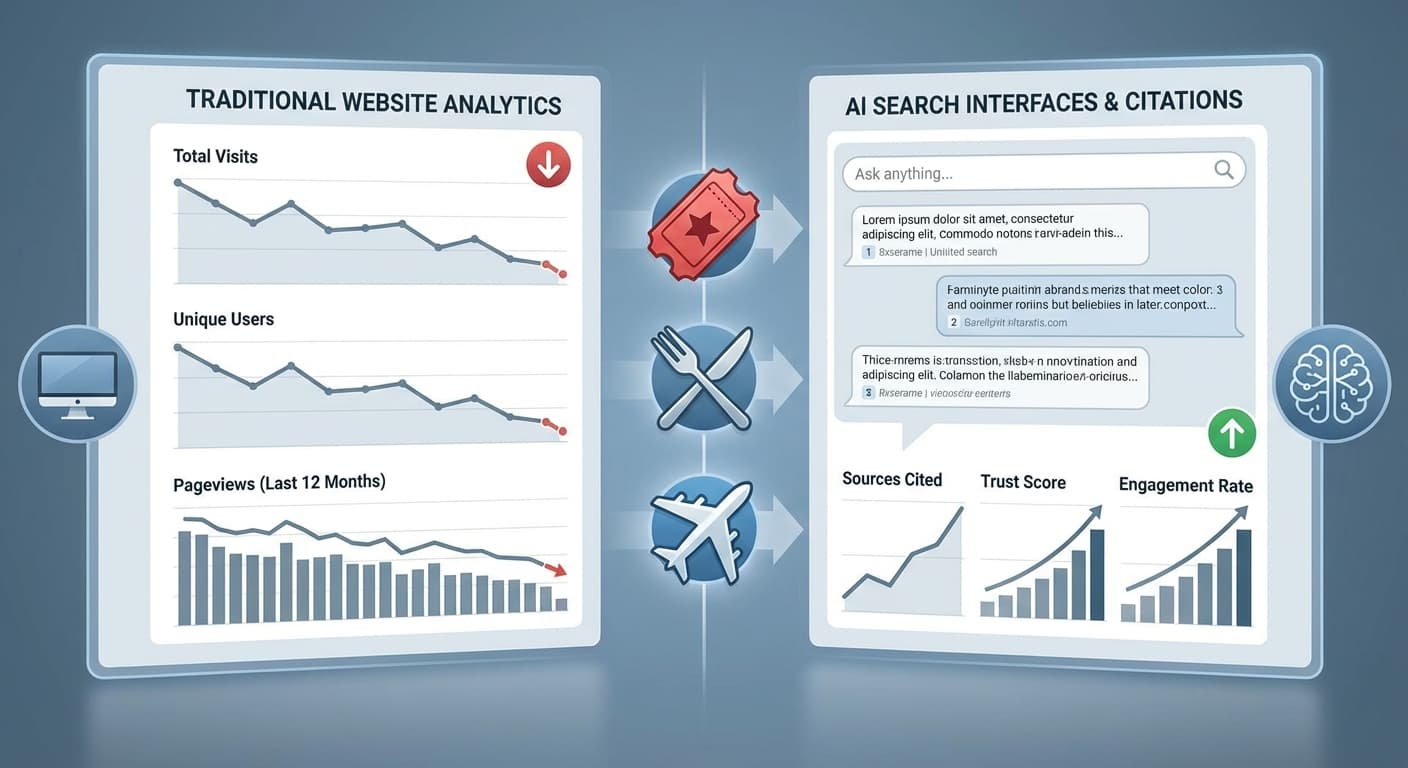
How to Defend Your E-Commerce Margins When AI Shopping Agents Negotiate Prices in Real-Time
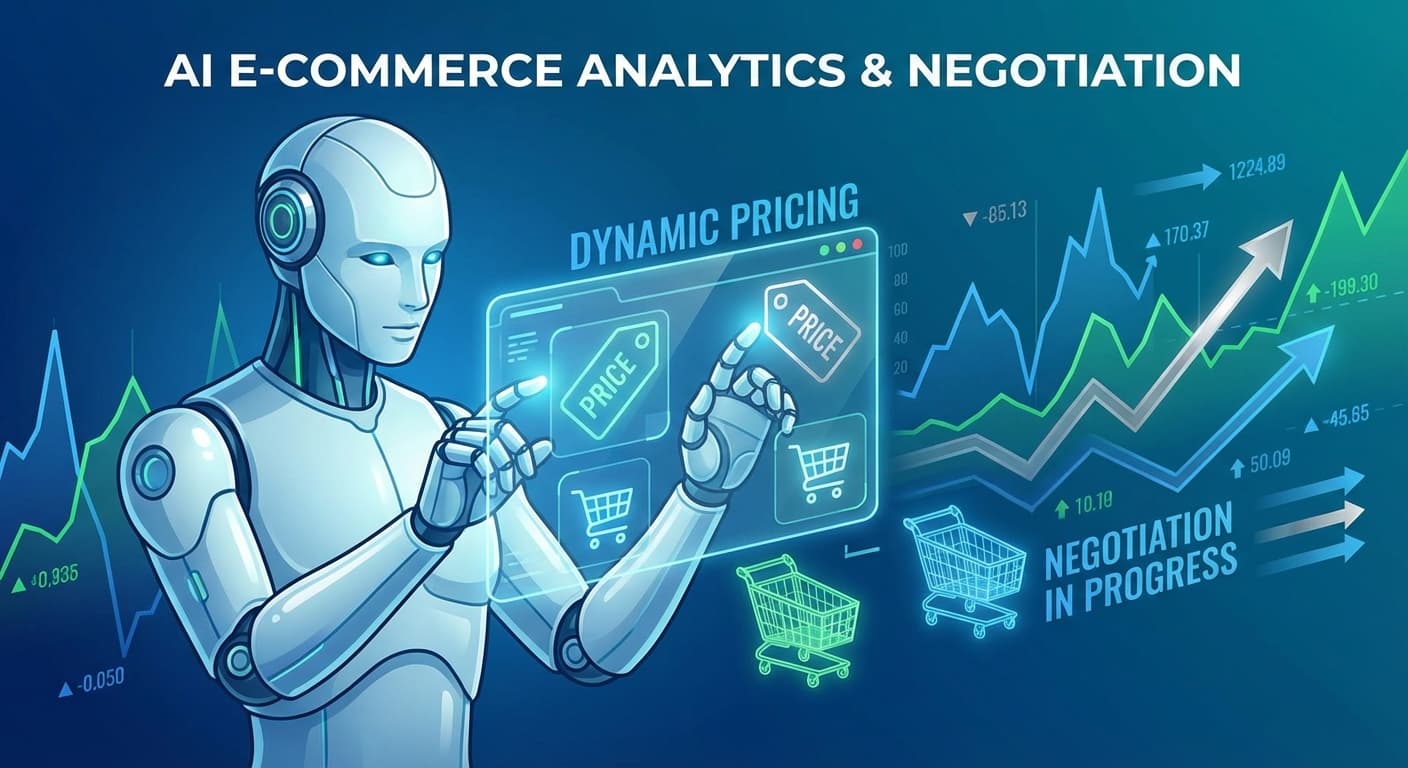
How to Defend Your E-Commerce Margins When AI Shopping Agents Negotiate Prices in Real-Time
AI shopping agents now handle over 40% of product research queries in 2026, and they're getting smarter about finding the best deals for consumers. Unlike traditional search where users clicked through static product listings, these AI agents actively negotiate, compare, and even suggest alternatives in real-time conversations. For e-commerce businesses still operating with 2024-era pricing strategies designed for static search results, this shift represents both a threat to margins and an unprecedented opportunity.
The New Reality: AI Agents as Sophisticated Shopping Negotiators
When someone asks ChatGPT or Claude "Find me the best wireless headphones under $200," the AI doesn't just return a list of products. It analyzes real-time pricing, reads reviews, compares specifications, and often suggests specific models while explaining why. More concerning for retailers, these agents can:
This fundamental shift means your pricing strategy can no longer rely on information asymmetry or static display advantages.
Why Traditional E-Commerce Pricing Fails Against AI Agents
Static Pricing Models Are Transparent
Your competitor analysis spreadsheet from last quarter is useless when AI agents can analyze pricing patterns across hundreds of retailers in seconds. They identify:
Product Information Optimization Becomes Critical
AI agents don't just compare prices—they analyze the entire value proposition. Products with poorly optimized descriptions, missing specifications, or unclear benefits get filtered out early in the recommendation process.
Customer Reviews Drive AI Recommendations
In 2026, AI agents place enormous weight on review sentiment and authenticity. Products with genuine, detailed reviews often get recommended over cheaper alternatives with sparse feedback.
Strategic Framework: Margin Defense in the AI Era
1. Shift from Price Competition to Value Articulation
Instead of racing to the bottom on price, focus on clearly articulating unique value that AI agents can understand and communicate:
Product Content Optimization:
Authority Building:
2. Dynamic Pricing with AI-Aware Strategies
Real-Time Competitive Intelligence:
Smart Bundling and Package Deals:
3. Leverage AI Citation Optimization
This is where tools like Citescope Ai become invaluable. When AI agents research products, they're more likely to recommend brands and products from sources they frequently cite and trust. By optimizing your content for AI visibility, you can influence how these agents perceive and present your products.
Content Structure for AI Agents:
4. Customer Experience as a Differentiator
Post-Purchase Value:
Community Building:
Tactical Implementation: Protecting Margins Day-by-Day
Morning Routine: AI Visibility Audit
Weekly Strategy: Content Optimization
Monthly Review: Pricing Strategy Adjustment
Case Study: How One Electronics Retailer Increased Margins by 15%
TechGear Plus, a mid-size electronics retailer, faced significant margin pressure when AI agents began dominating their category searches. Instead of cutting prices, they:
Result: Despite increased AI agent activity in their market, they maintained pricing power and increased overall margins by 15% while growing sales volume by 23%.
How Citescope Ai Helps Defend Your E-Commerce Margins
Defending margins in the age of AI shopping agents requires understanding exactly how these agents perceive and present your products. Citescope Ai provides:
GEO Score Analysis: Evaluates your product content across dimensions that matter to AI agents—interpretability, semantic richness, conversational relevance, structure, and authority. This helps you understand why certain products get recommended over others.
Citation Tracking: Monitors when and how AI agents like ChatGPT, Perplexity, Claude, and Gemini reference your products, giving you real-time insight into your AI visibility.
AI Content Optimization: The AI Rewriter restructures your product descriptions and content to maximize the likelihood of favorable AI agent recommendations.
Competitive Intelligence: Track how competitors are being cited and recommended, helping you identify gaps in your own AI optimization strategy.
Future-Proofing Your Pricing Strategy
As AI agents become more sophisticated, the businesses that thrive will be those that view AI not as a threat to margins, but as an opportunity to build stronger customer relationships through value-driven positioning.
Key Principles for 2026 and Beyond:
Ready to Optimize for AI Search?
Don't let AI shopping agents erode your margins by default. Take control of how AI agents discover, understand, and recommend your products. Citescope Ai helps you optimize your content for maximum AI visibility while building the authority and differentiation needed to maintain healthy margins. Start with our free tier and see how AI agents currently perceive your products—then optimize your way to better recommendations and stronger margins. Try Citescope Ai free today and defend your e-commerce margins in the age of AI.