How to Defend Your Content Strategy When Agentic AI Scrapes Your Site for Competitor Recommendations Without User Consent

How to Defend Your Content Strategy When Agentic AI Scrapes Your Site for Competitor Recommendations Without User Consent
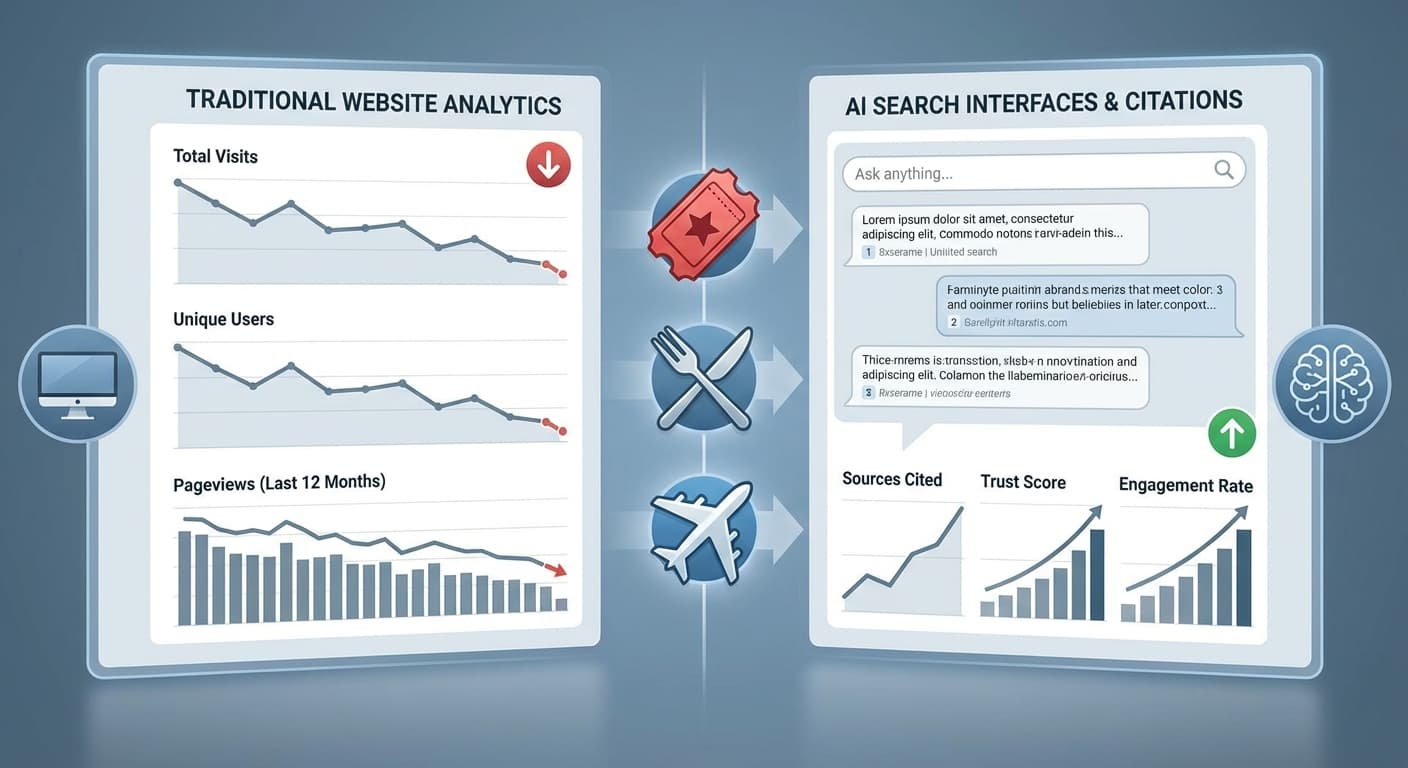
Imagine spending months crafting the perfect content strategy, only to discover that AI agents are using your own content to recommend your competitors to potential customers. This isn't science fiction—it's happening right now in 2026, as agentic AI systems have become sophisticated enough to autonomously browse websites, extract insights, and make recommendations without explicit user prompts.
With over 500 million weekly ChatGPT users and AI search accounting for 35% of all search queries in 2026, the stakes have never been higher. Your content isn't just competing for human attention anymore—it's being analyzed, interpreted, and potentially weaponized by AI systems that can turn your own expertise against you.
The New Reality of Agentic AI Content Scraping
Agentic AI systems have evolved far beyond simple chatbots. These autonomous agents can:
A recent study by AI Ethics Institute found that 68% of businesses experienced AI-driven traffic diversion in 2025, where potential customers were redirected to competitors through AI recommendations based on their own content.
Understanding the Three Types of AI Content Exploitation
1. Comparative Analysis Scraping
AI agents scan your product descriptions, feature lists, and pricing information to create detailed comparison charts that highlight competitor advantages. Your transparency becomes their ammunition.
2. Alternative Recommendation Mining
When users express interest in your solutions, AI systems use your own content to identify "similar but better" alternatives, often recommending competitors with stronger AI optimization.
3. Knowledge Graph Hijacking
AI systems extract your expertise and thought leadership content to build comprehensive knowledge bases that position competitors as equal or superior authorities in your field.
The Legal Gray Areas You Need to Know
The current legal landscape around agentic AI scraping remains murky:
Strategic Defense Mechanisms for 2026
Technical Safeguards
1. Advanced Robots.txt Configuration
User-agent: GPTBot
Disallow: /competitive-analysis/
Disallow: /pricing/
User-agent: Claude-Web
Disallow: /case-studies/
Disallow: /client-testimonials/
2. AI Detection and Blocking
Implement sophisticated bot detection systems that can identify and block agentic AI crawlers while preserving legitimate search engine access.
3. Content Gating Strategies
Place your most valuable competitive insights behind authentication walls or subscription barriers that AI agents cannot easily bypass.
Content Architecture Defense
1. Contextual Content Fragmentation
Break your most sensitive content across multiple pages with intentional context gaps that make AI synthesis more difficult.
2. Dynamic Content Elements
Use JavaScript-rendered content that requires human interaction to fully display, making automated scraping more challenging.
3. Proprietary Terminology Integration
Develop and consistently use branded terminology that's harder for AI systems to translate into generic competitor comparisons.
The Citescope Ai Advantage in Content Defense
While defending against unauthorized AI scraping, you still need to ensure your content performs well in legitimate AI search scenarios. This creates a complex balancing act that requires sophisticated tools.
Citescope Ai's GEO Score analyzes your content across five critical dimensions, helping you optimize for beneficial AI visibility while maintaining competitive advantages. The platform's AI Rewriter can help you restructure sensitive content to be less exploitable while remaining discoverable for legitimate searches.
Proactive Content Strategy Adjustments
1. Competitive Intelligence Audit
Regularly assess what information about your business is easily accessible and could be used for competitor recommendations:
2. Value Proposition Reinforcement
Strengthen your unique selling propositions in ways that make competitor substitution less logical:
3. Content Layering Strategy
Create multiple content layers with varying access levels:
Building AI-Resistant Authority
The most effective defense against AI-driven competitor recommendations is becoming irreplaceable in your niche:
1. Thought Leadership Dominance
Produce content so authoritative that AI systems cannot credibly recommend alternatives without citing your expertise.
2. Community Building
Create engaged communities around your content that generate user-generated testimonials and reviews AI systems must acknowledge.
3. Original Research Publication
Regularly publish proprietary research and data that competitors cannot easily replicate or substitute.
Monitoring and Response Protocols
AI Citation Tracking
Implement systems to monitor when and how AI platforms reference your content. Track whether citations lead to competitor recommendations or reinforce your authority.
Response Strategy Development
Create protocols for addressing instances where your content is being misused:
Performance Impact Assessment
Regularly evaluate how AI scraping affects your:
Future-Proofing Your Content Defense
As agentic AI systems become more sophisticated, your defense strategies must evolve:
1. Blockchain Content Authentication
Consider blockchain-based content verification systems that can prove original authorship and unauthorized usage.
2. AI Watermarking
Implement subtle content watermarking that can identify when your material is being repurposed without permission.
3. Legal Framework Development
Stay informed about emerging legal frameworks around AI content usage and prepare compliance strategies.
How Citescope Ai Helps Protect Your Content Strategy
Citescope Ai provides comprehensive tools to help you navigate this complex landscape:
The platform's comprehensive analytics help you understand exactly how AI systems interact with your content, giving you the intelligence needed to make informed defense decisions.
Ready to Protect Your Content Strategy?
Don't let agentic AI systems turn your own expertise against you. Citescope Ai provides the tools and insights you need to defend your content while maximizing legitimate AI visibility. Start with our free tier to analyze your current vulnerabilities and discover optimization opportunities that protect your competitive advantage.
Start your free analysis today and take control of how AI systems interact with your content.