How to Create a Personalization-Ready Content Framework When AI Search Engines Serve Different Answers to Different Users From the Same URL
How to Create a Personalization-Ready Content Framework When AI Search Engines Serve Different Answers to Different Users From the Same URL
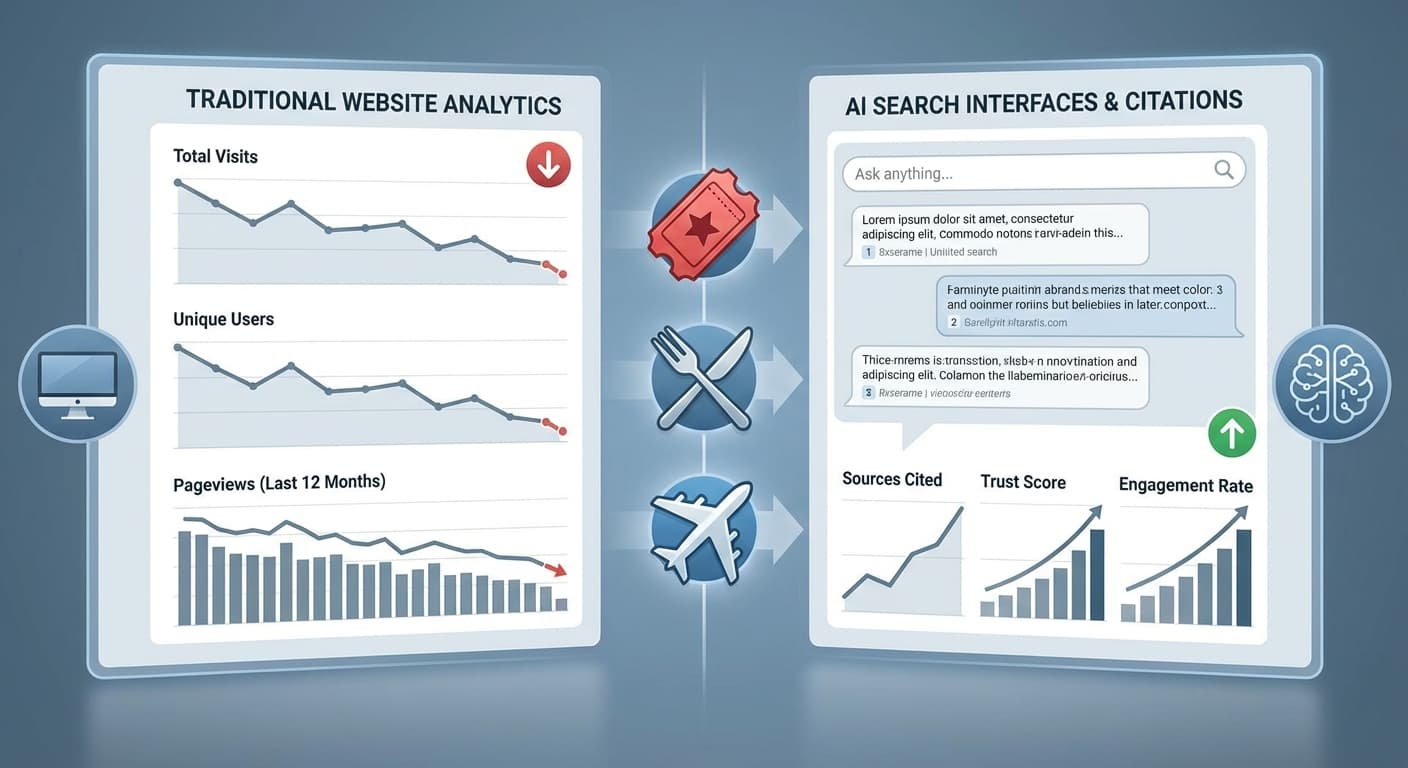
By 2026, AI search engines have fundamentally changed how users discover and consume information. With ChatGPT processing over 500 million weekly queries and Perplexity handling 15 billion monthly searches, these platforms now serve personalized answers to different users—even when citing the same source URL. This presents both a massive opportunity and a complex challenge for content creators.
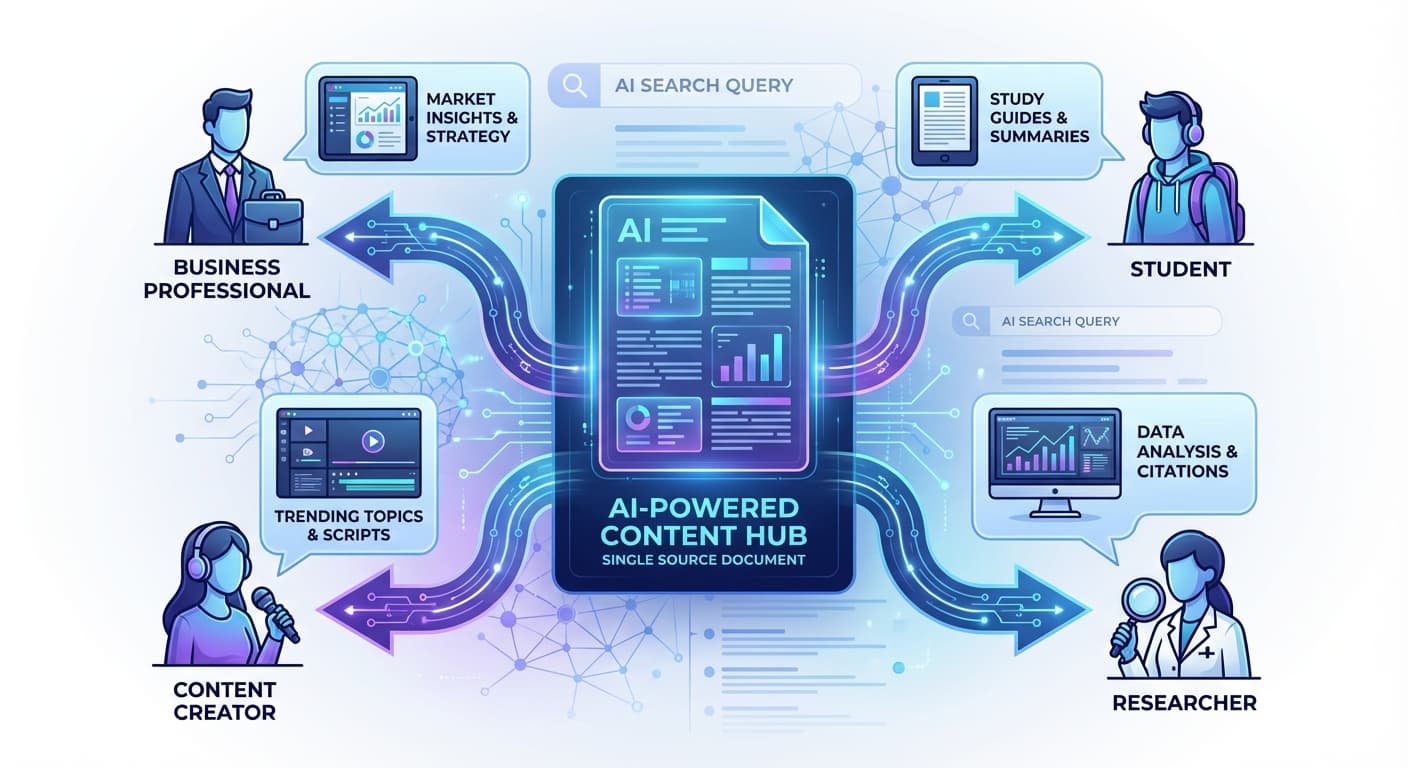
The reality? Your single piece of content might be interpreted differently by Claude for a marketing professional versus how Gemini presents it to a student researcher. Understanding and preparing for this personalization shift isn't optional anymore—it's essential for maintaining visibility in an AI-first search landscape.
The New Reality: One URL, Multiple Interpretations
AI search engines don't just extract information—they contextualize it based on user intent, search history, and conversation patterns. Recent analysis shows that the same article can generate up to 7 different answer variations across different user queries, with AI engines emphasizing different sections, statistics, or conclusions based on perceived user needs.
This personalization happens because:
Building Your Personalization-Ready Framework
1. Create Multi-Dimensional Content Structure
Instead of writing linearly, structure your content in layers that serve different user needs:
Foundation Layer: Core facts and primary message that remains consistent across all interpretations
Context Layers: Multiple angles on the same topic:
Supporting Evidence: Diverse proof points that appeal to different user types:
2. Implement Semantic Richness Strategies
AI engines excel at understanding context and relationships. Build content that supports multiple interpretation pathways:
Use Entity Clustering: Group related concepts together using clear semantic relationships. Instead of scattered mentions, create content blocks that thoroughly explore connected ideas.
Incorporate Intent Variations: Address the same topic from multiple angles:
Build Contextual Bridges: Use transitional phrases that help AI understand when you're shifting between audience levels or use cases: "For beginners," "In enterprise environments," "From a technical perspective."
3. Design for Conversational Extraction
Since AI engines often present your content as conversational responses, structure it to support natural dialogue patterns:
Question-Answer Pairs: Embed natural Q&A structures within your content that AI can easily extract and reformat.
Modular Explanations: Create self-contained sections that work independently or combined, allowing AI to mix and match based on user needs.
Progressive Disclosure: Start with simple concepts and build complexity, giving AI multiple stopping points based on user expertise levels.
Technical Implementation Strategies
Schema and Structured Data Optimization
While traditional SEO focused on single-intent optimization, AI-ready content needs multi-intent structured data:
Content Tagging and Classification
Implement internal tagging systems that help you track how different content sections perform across AI platforms:
Multi-Format Content Creation
Develop the same core information in multiple formats to maximize AI interpretation opportunities:
Tools like Citescope Ai's GEO Score analyzer can help you identify which content structures perform best across different AI engines, measuring factors like semantic richness and conversational relevance that directly impact how your content gets personalized for different users.
Measuring and Optimizing Performance
Track Personalization Patterns
Monitor how AI engines cite your content across different user scenarios:
A/B Test Content Structures
Test different organizational approaches:
Optimize Based on AI Feedback
Use AI citation data to refine your personalization framework:
Common Pitfalls to Avoid
Over-Optimization: Don't sacrifice content quality for AI optimization. Personalization-ready content should enhance, not replace, valuable information.
Single-Intent Focus: Avoid creating content that only serves one user type or knowledge level.
Neglecting Coherence: While building multi-layered content, maintain logical flow and overall narrative coherence.
Ignoring Updates: AI search personalization evolves rapidly. Regularly review and update your content framework based on new platform behaviors.
Future-Proofing Your Strategy
As AI search continues evolving, prepare for:
How Citescope Ai Helps
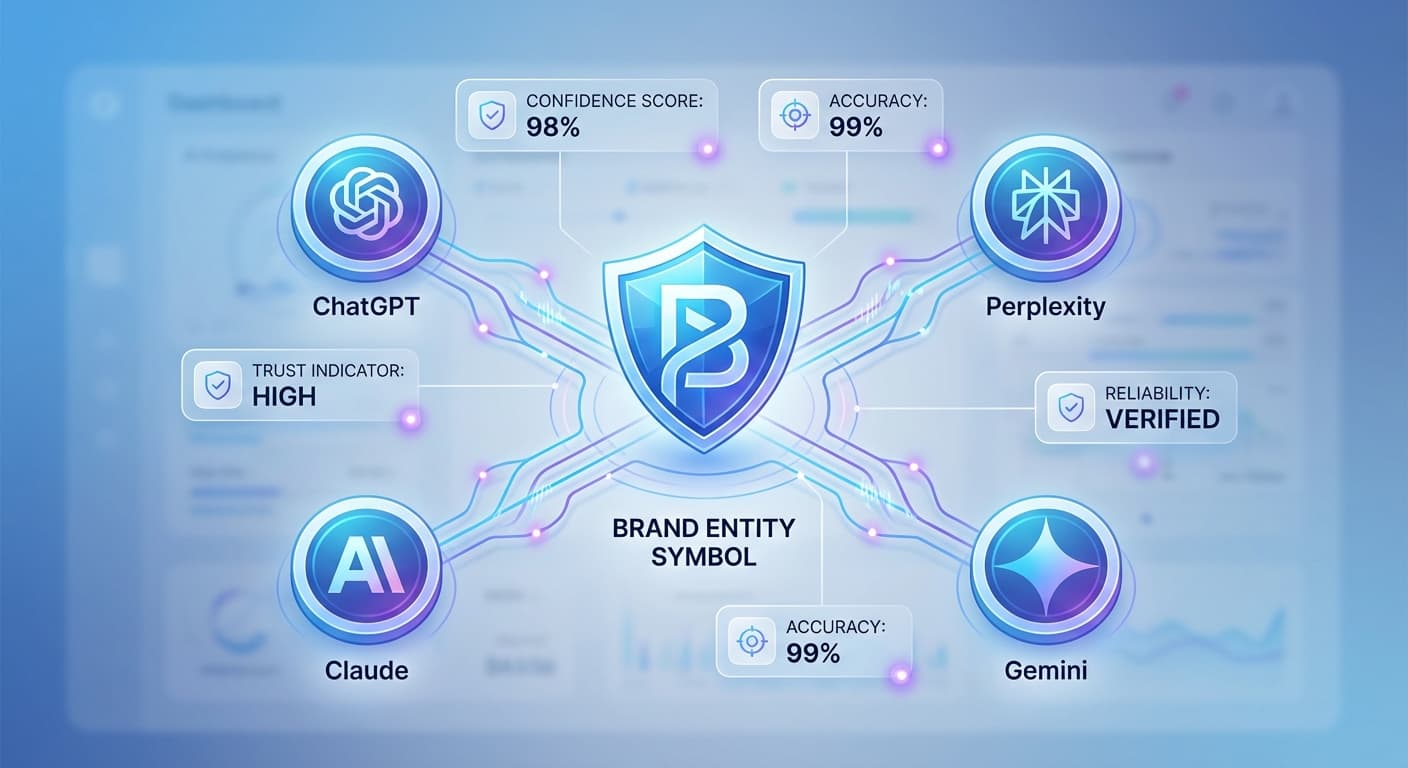
Citescope Ai's comprehensive platform addresses the personalization challenge head-on. The GEO Score analyzes your content across five critical dimensions—including semantic richness and conversational relevance—that directly impact how AI engines personalize your content for different users. The Citation Tracker shows you exactly how ChatGPT, Perplexity, Claude, and Gemini are citing your content across different query types, giving you insights into personalization patterns you might otherwise miss.
The AI Rewriter tool helps restructure existing content to support multiple interpretation pathways, while the multi-format export options ensure your optimized content integrates seamlessly into your publishing workflow.
Ready to Optimize for AI Search?
Building a personalization-ready content framework isn't just about future-proofing your SEO strategy—it's about maximizing your content's value across the rapidly expanding AI search ecosystem. With AI search now representing over 30% of all queries, the content that succeeds will be the content that adapts.
Start optimizing your content framework today with Citescope Ai's free tier. Get 3 content optimizations per month and see how your content performs across major AI search engines. [Try Citescope Ai free →]