How to Capitalize on ADWEEK's Real-Time AI Influence Index When Brand Perception Tracking Shifts from Search Rankings to Generative Engine Mentions

How to Capitalize on ADWEEK's Real-Time AI Influence Index When Brand Perception Tracking Shifts from Search Rankings to Generative Engine Mentions
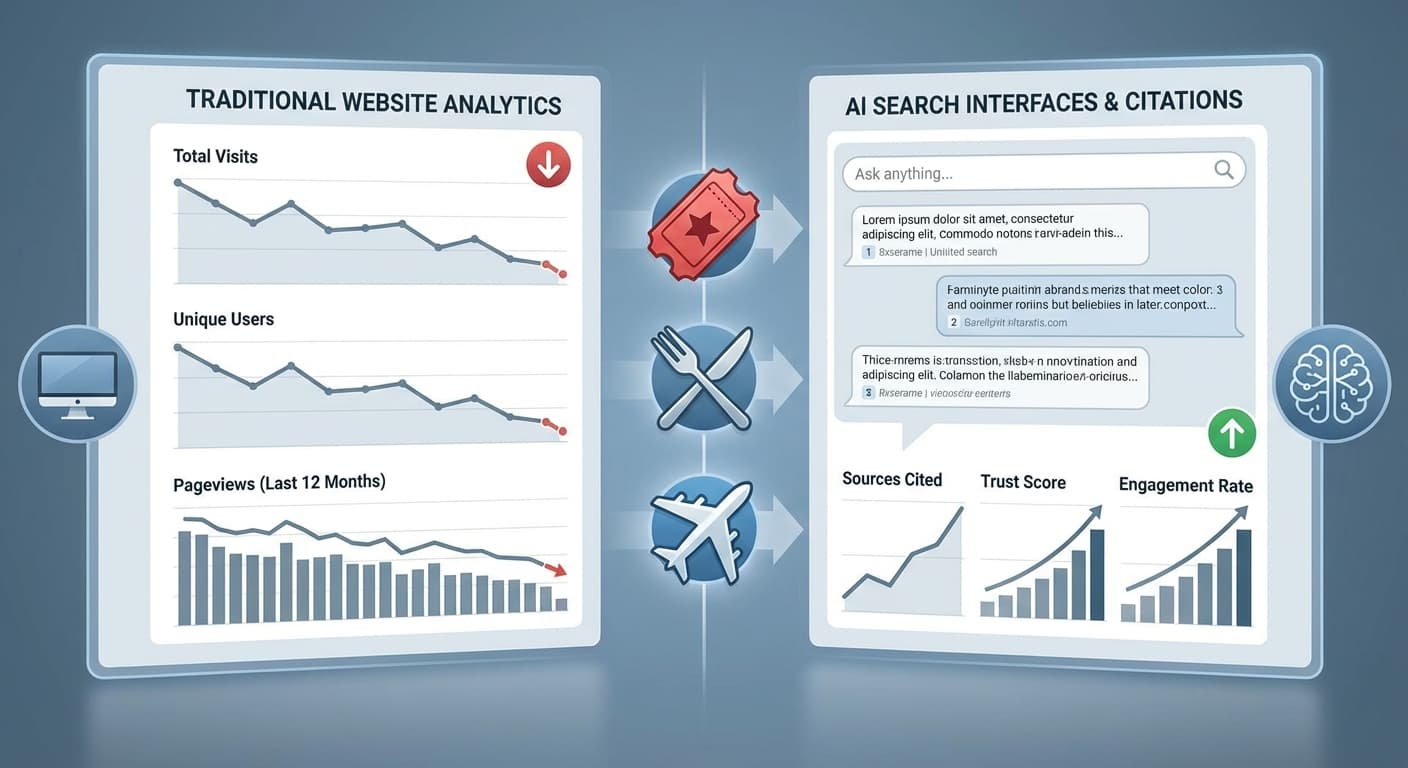
Brand perception tracking is undergoing its most dramatic transformation since the advent of Google. With over 70% of Gen Z now using AI tools like ChatGPT and Perplexity for search, and AI-generated responses accounting for 35% of all query results in 2025, traditional search rankings are no longer the sole indicator of brand visibility.
ADWEEK's Real-Time AI Influence Index has emerged as the gold standard for measuring brand mentions across generative AI engines. But here's the challenge: most brands are still optimizing for yesterday's metrics while their audiences have already moved to tomorrow's platforms.
The Seismic Shift in Brand Perception Measurement
Traditional brand tracking relied heavily on:
Today's reality looks dramatically different. With ChatGPT processing over 100 billion queries monthly and Claude seeing 300% growth in business usage, brand perception is increasingly shaped by how AI engines interpret and cite your content.
Why Traditional Metrics Fall Short
The problem with legacy brand tracking becomes clear when you consider how consumers interact with AI:
Understanding ADWEEK's AI Influence Index
ADWEEK's Real-Time AI Influence Index tracks brand mentions across major generative AI platforms, measuring:
Core Metrics
What Makes It "Real-Time"
Unlike traditional brand studies that provide quarterly insights, this index updates continuously, reflecting:
Strategic Approaches to Capitalize on AI Influence Tracking
1. Optimize Content for AI Interpretability
AI engines favor content that's structured for machine understanding. This means:
Clear hierarchical structure:
Semantic richness:
Conversational relevance:
Citescope Ai's GEO Score analyzes these exact dimensions, helping you understand how well your content performs across AI Interpretability, Semantic Richness, and Conversational Relevance factors that directly impact your AI Influence Index ranking.
2. Create Authority-Building Content Clusters
AI engines prioritize authoritative sources. Build topic clusters that establish your brand as the go-to resource:
3. Monitor Competitor AI Visibility
Track how competitors appear in AI responses:
4. Leverage Multi-Platform Citation Strategies
Different AI engines have varying preferences:
ChatGPT optimization:
Perplexity optimization:
Claude optimization:
Gemini optimization:
Implementing Your AI Influence Strategy
Phase 1: Baseline Assessment
Phase 2: Content Optimization
Phase 3: Monitoring and Iteration
Common Pitfalls to Avoid
Over-Optimizing for Single Platforms
While it's tempting to focus solely on ChatGPT given its market dominance, a diversified approach yields better results. Each AI platform has unique algorithms and preferences.
Ignoring Context and Sentiment
High mention frequency means nothing if your brand appears in negative contexts. Focus on quality positioning, not just volume.
Neglecting Real-Time Updates
AI training data evolves rapidly. Content that performed well six months ago might be less effective today without updates.
Forgetting Human-First Principles
While optimizing for AI is crucial, your content still needs to resonate with human audiences who ultimately make purchasing decisions.
Measuring Success Beyond the Index
While ADWEEK's AI Influence Index provides valuable benchmarking, supplement it with:
How Citescope Ai Accelerates Your AI Influence Strategy
Building AI influence requires more than just understanding the metrics – it demands systematic optimization and ongoing monitoring. Citescope Ai provides the tools to execute this strategy effectively:
GEO Score Analysis: Get detailed insights into how your content performs across the five dimensions that matter most to AI engines. Understand exactly why certain pieces get cited while others don't.
AI Rewriter Optimization: Transform existing content with one-click optimization that restructures your material for maximum AI visibility, ensuring your brand appears prominently in relevant AI responses.
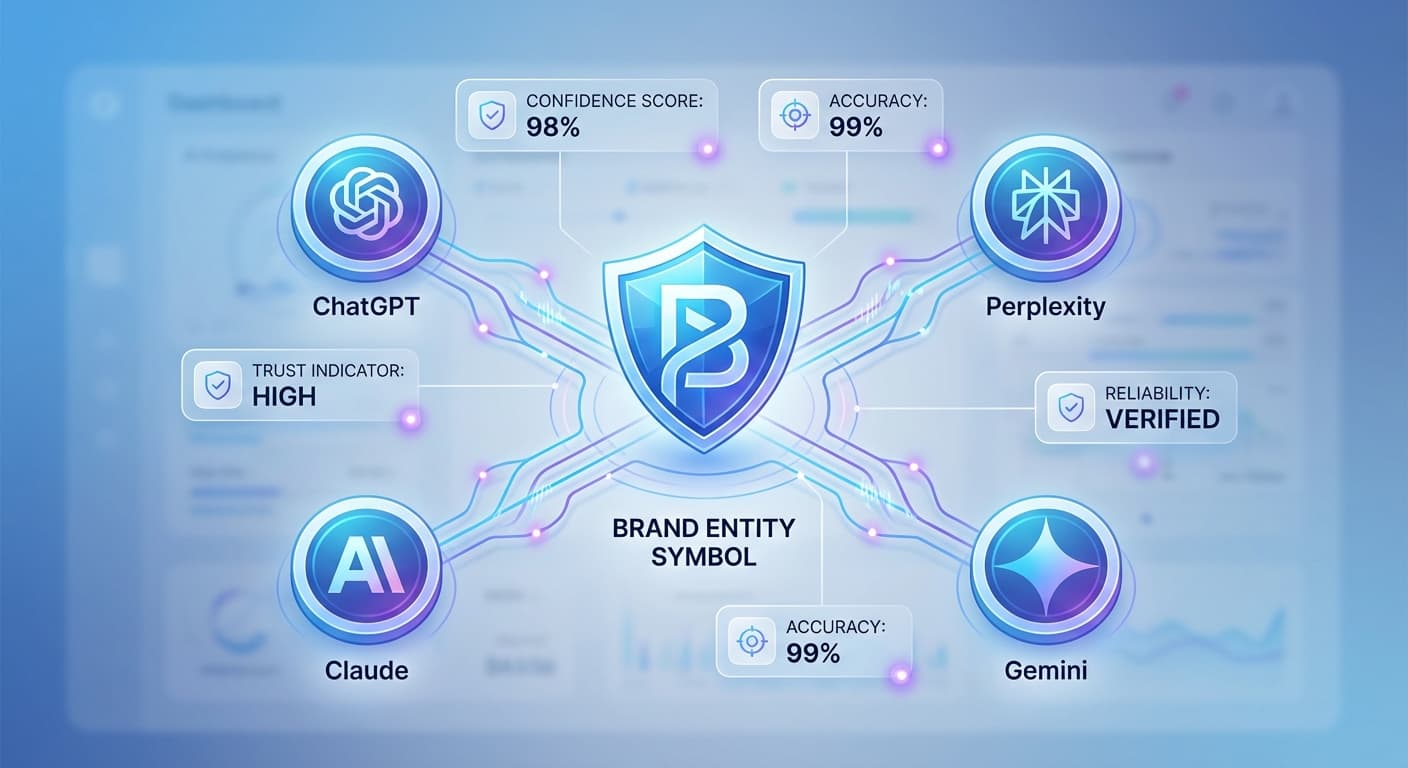
Real-Time Citation Tracking: Monitor when and how your content gets mentioned across ChatGPT, Perplexity, Claude, and Gemini – the same platforms tracked by ADWEEK's AI Influence Index.
Multi-Platform Export: Seamlessly deploy optimized content across your entire digital ecosystem with formats designed for maximum AI discoverability.
The Future of Brand Perception in the AI Era
As we progress through 2026, expect AI influence tracking to become even more sophisticated. Emerging trends include:
Brands that establish strong AI visibility now will have a significant competitive advantage as these platforms continue to evolve and capture larger market share.
Ready to Optimize for AI Search?
The shift from traditional search rankings to AI influence metrics isn't just coming – it's here. ADWEEK's Real-Time AI Influence Index proves that brand perception is increasingly shaped by how AI engines interpret and cite your content.
Citescope Ai helps you capitalize on this shift with tools designed specifically for AI search optimization. From analyzing your content's GEO Score across the five dimensions that matter most to AI engines, to tracking real-time citations across all major platforms, we provide everything you need to build meaningful AI influence.
Start your free trial today and see how your content performs in the AI-first world. Get 3 free optimizations to experience how the AI Rewriter can transform your existing content for maximum generative engine visibility.