How to Calculate Hidden Server Costs When AI Agent Crawl Traffic Increases Your Infrastructure Load by 300% Without Warning
How to Calculate Hidden Server Costs When AI Agent Crawl Traffic Increases Your Infrastructure Load by 300% Without Warning
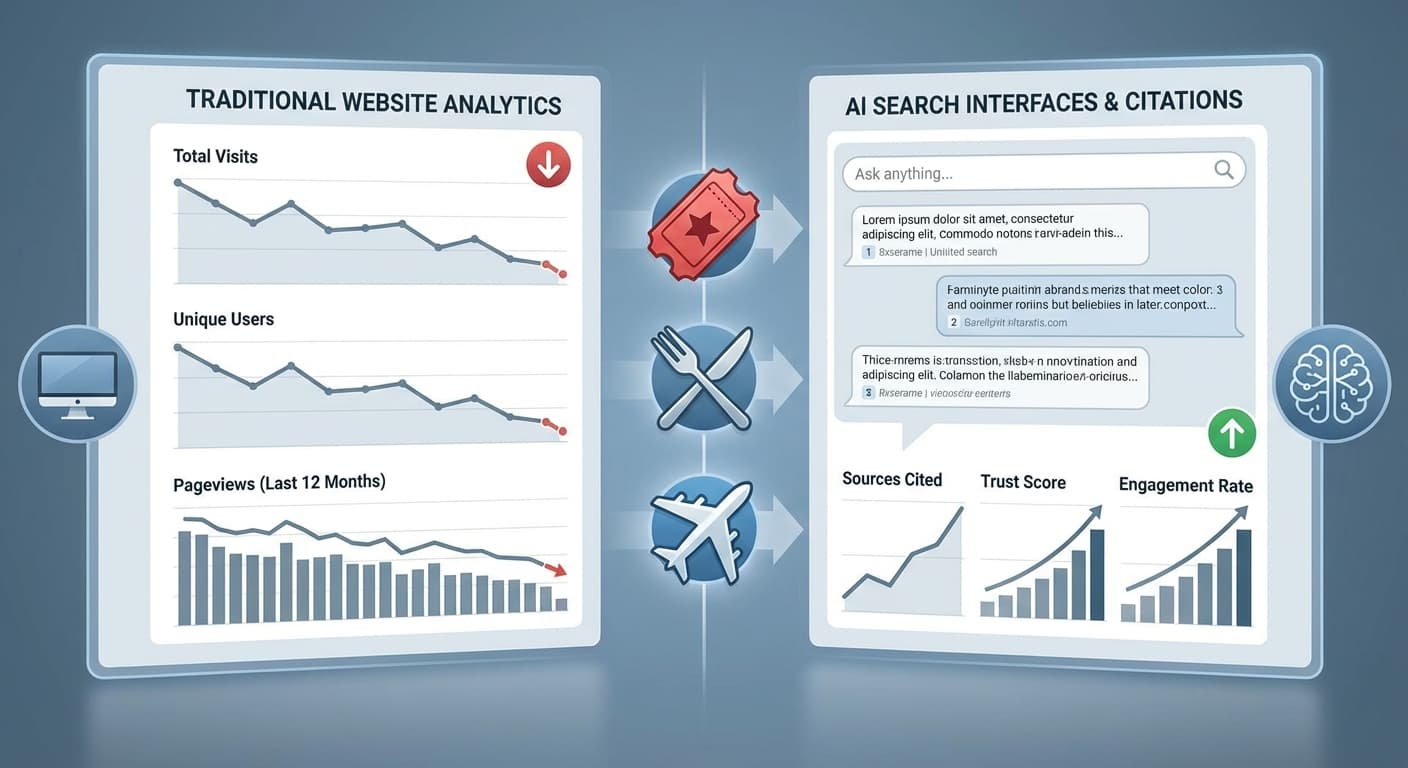
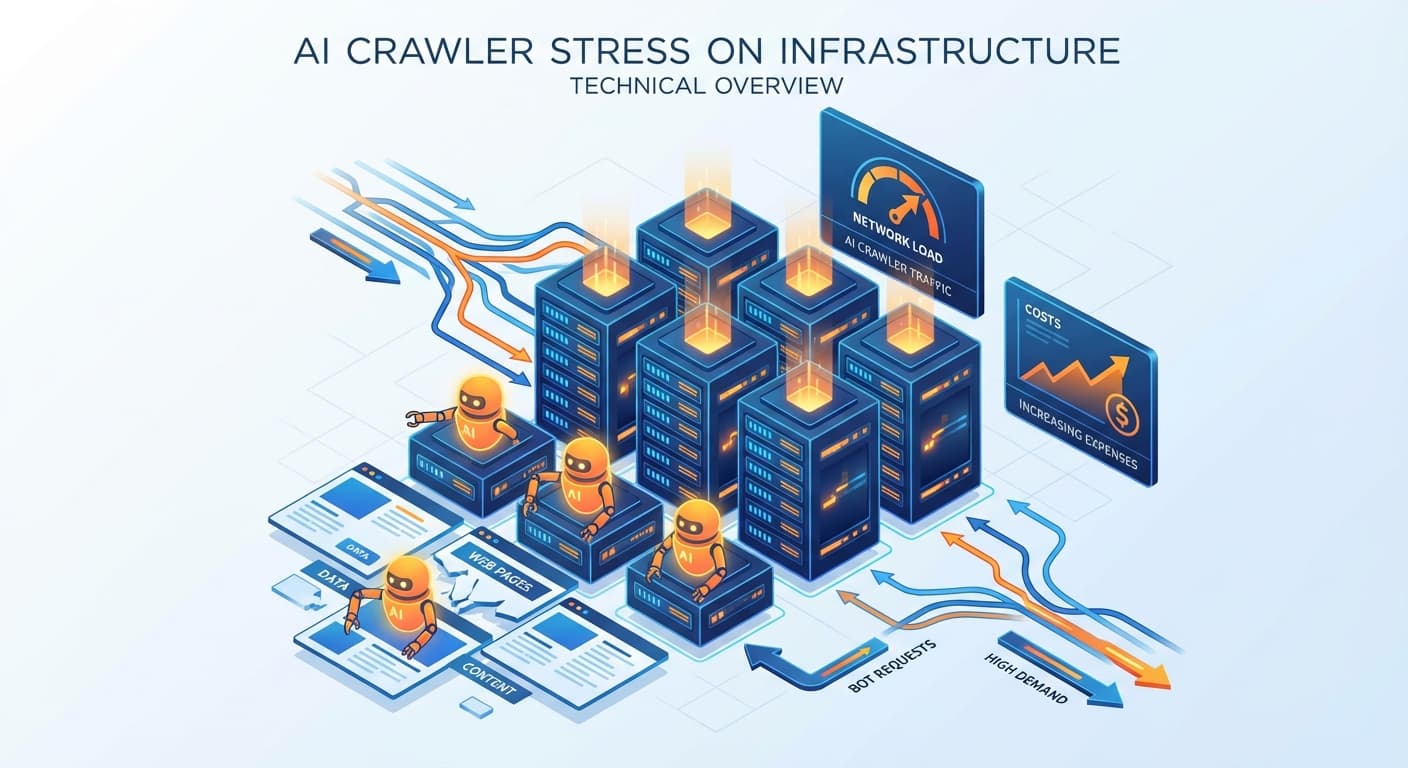
Your server monitoring dashboard suddenly lights up with alerts at 3 AM. Traffic has spiked 300% overnight, but your Google Analytics shows normal visitor patterns. What's happening? Welcome to the hidden reality of 2026: AI agent crawlers are silently consuming your server resources at an unprecedented scale, and most website owners have no idea what it's costing them.
With AI search engines now handling over 35% of all search queries and ChatGPT alone processing 2 billion requests monthly, the army of AI crawlers indexing web content has grown exponentially. These bots don't just visit your pages—they systematically crawl, analyze, and process your content in ways that can multiply your infrastructure costs overnight.
The AI Crawl Traffic Explosion: What's Really Happening
Unlike traditional search engine crawlers that follow predictable patterns, AI agents behave differently. They:
Recent studies show that AI crawler traffic increased by 400% in 2025 alone, with some websites experiencing sudden spikes that crashed their servers without warning.
Identifying AI Agent Traffic in Your Server Logs
Before calculating costs, you need to identify AI crawler traffic. Look for these user agents in your server logs:
Common AI Crawler Signatures:
Traffic Pattern Red Flags:
The Hidden Cost Calculator: Breaking Down AI Crawl Expenses
1. Bandwidth Overage Costs
AI crawlers don't just request HTML—they often pull images, videos, PDFs, and other media files for context analysis.
Calculation Formula:
Monthly AI Bandwidth = (Average AI requests per day × Average response size) × 30 days
Overage Cost = (Total bandwidth - Plan limit) × Per-GB rate
Example: A mid-size blog sees AI crawler requests jump from 1,000 to 15,000 daily:
2. Server Resource Consumption
AI crawlers often trigger resource-intensive operations:
CPU Load Multipliers:
Memory Usage Impact:
3. CDN and Caching Costs
AI crawlers often bypass standard caching mechanisms:
4. Database Performance Degradation
The hidden killer: database query costs escalate dramatically:
Real-World Cost Impact Examples
Small Blog (10K monthly visitors):
E-commerce Site (100K monthly visitors):
Enterprise Content Site (1M+ monthly visitors):
Strategic Response: Turn AI Crawl Costs into Competitive Advantage
Instead of just blocking AI crawlers (which hurts your AI search visibility), smart website owners are optimizing their infrastructure and content strategy.
Infrastructure Optimization Tactics:
Content Strategy Adjustments:
The key is making your content more AI-crawler friendly while reducing server load. This is where tools like Citescope Ai become invaluable—they help you optimize content structure and semantic richness so AI crawlers can efficiently understand and index your content without excessive resource consumption.
Proactive Cost Management Strategies
1. Set Up Advanced Monitoring
2. Implement Smart Traffic Management
3. Optimize for Efficient AI Consumption
How Citescope Ai Helps Manage AI Crawl Costs
Citescope Ai's GEO Score analyzes your content across five key dimensions that directly impact how efficiently AI crawlers can process your pages. When your content is properly optimized for AI interpretability and semantic richness, crawlers spend less time and resources analyzing your site.
The AI Rewriter feature restructures your content to be more crawler-friendly, which can reduce the number of repeat visits AI agents make to understand your content. Additionally, the Citation Tracker helps you monitor which AI engines are actively crawling and citing your content, giving you data to make informed decisions about crawler management.
By optimizing your content structure and monitoring AI citation patterns, you can reduce unnecessary crawler overhead while maximizing your visibility in AI search results—turning a cost center into a competitive advantage.
Future-Proofing Your Infrastructure
As AI search continues growing (projected to reach 50% of all searches by 2027), infrastructure planning must account for exponential crawler growth:
2026 Planning Considerations:
Long-term Infrastructure Evolution:
Ready to Optimize for AI Search?
Don't let AI crawler costs surprise you with unexpected infrastructure bills. Citescope Ai helps you optimize your content for efficient AI consumption while maximizing your visibility in AI search results. Our GEO Score shows you exactly how AI-friendly your content is, while our Citation Tracker monitors which AI engines are actively engaging with your site.
Start with our free tier (3 optimizations per month) to see how proper content optimization can reduce AI crawler overhead while boosting your citations in ChatGPT, Perplexity, Claude, and Gemini. Turn AI crawl costs from a surprise expense into a strategic advantage.