How to Build Question-Cluster Content Models When AI Search Engines Ignore Your Traditional Keyword Hierarchies and Demand Intent-Dense Answer Formats in 2026
How to Build Question-Cluster Content Models When AI Search Engines Ignore Your Traditional Keyword Hierarchies and Demand Intent-Dense Answer Formats in 2026
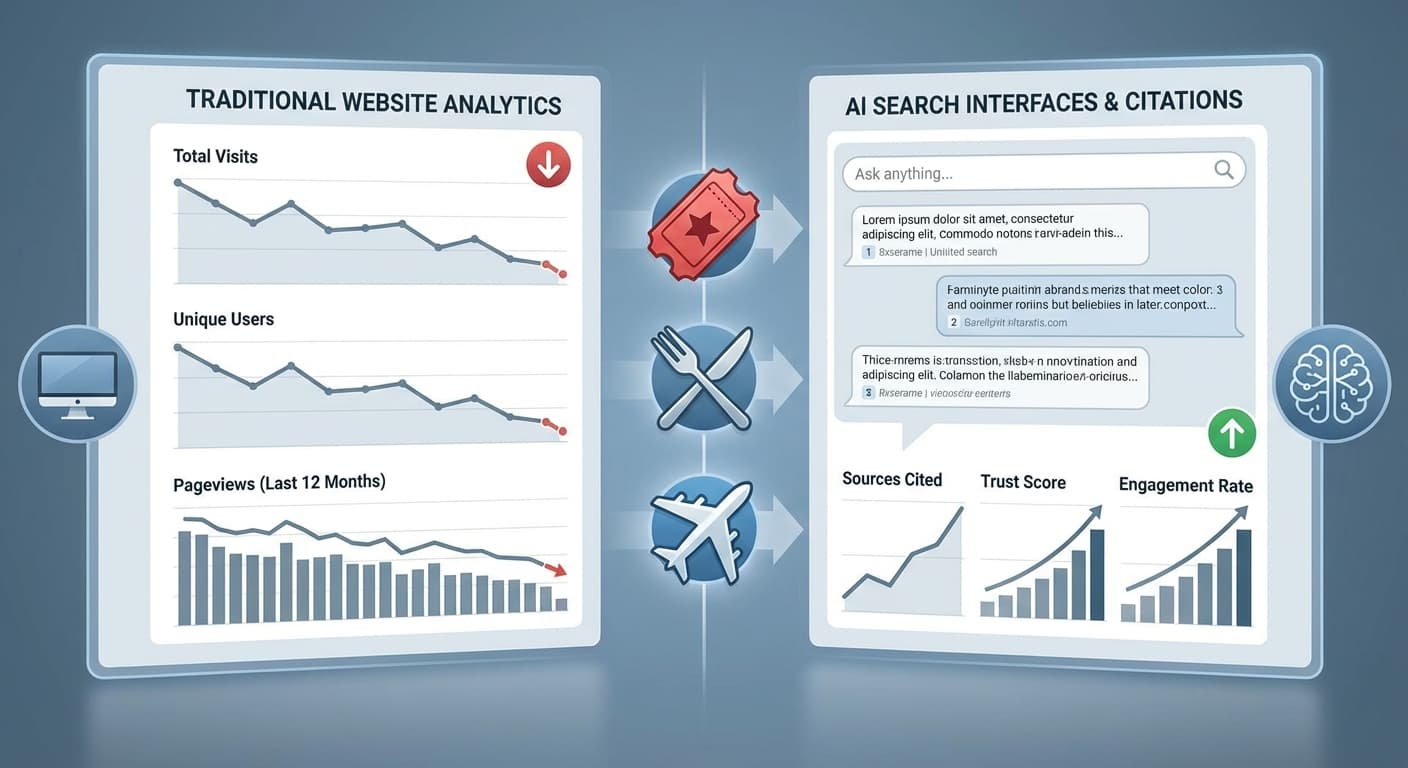
Remember when ranking for "best project management software" meant stuffing that exact phrase into your H1 tag and calling it a day? Those days are officially over. With AI search engines now handling over 35% of all search queries in 2026 and ChatGPT processing 600+ million weekly searches, the game has fundamentally changed.
Traditional keyword hierarchies that worked beautifully for Google's algorithms are falling flat with AI engines like Perplexity, Claude, and Gemini. These systems don't care about your perfectly crafted keyword clusters—they care about whether you can directly answer the questions users are actually asking.
The Death of Traditional Keyword Hierarchies in AI Search
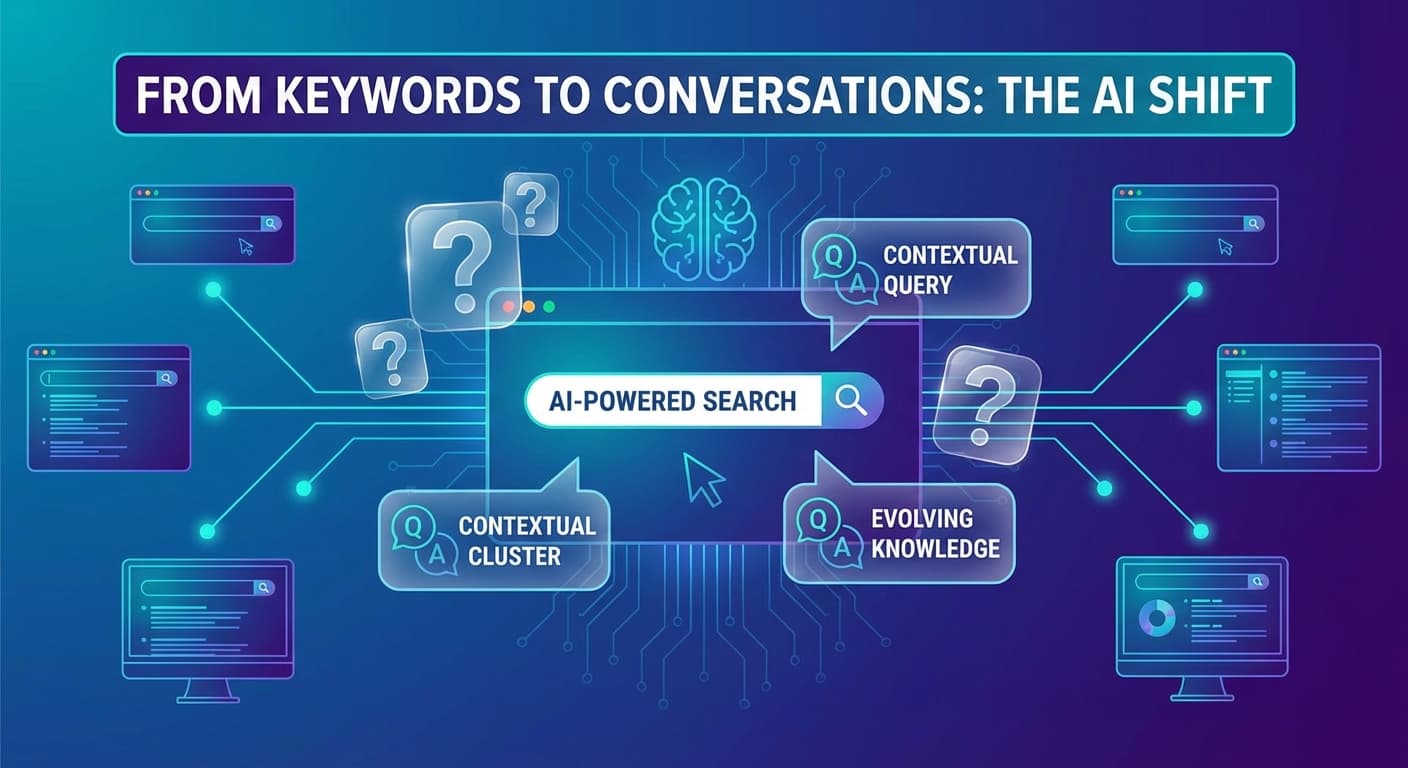
Here's what's happening: AI search engines are trained to understand intent, not match keywords. When someone asks ChatGPT "What's the best way to manage a remote team?", it's not looking for content optimized around "remote team management tools." It's looking for content that directly addresses the underlying questions, concerns, and contexts that led to that query.
Recent studies from 2025 show that:
This shift means your content strategy needs a complete overhaul.
What Are Question-Cluster Content Models?
Question-cluster content models organize your content around interconnected user questions rather than isolated keywords. Instead of targeting "email marketing software," you'd create content clusters around:
- "What features matter most in email marketing tools?"
- "How much should I budget for email marketing software?"
- "What's the difference between basic and advanced email marketing platforms?"
- "How do I migrate from one email platform to another?"
Each piece of content becomes a comprehensive answer hub that AI engines can confidently cite because it addresses the full spectrum of user intent.
Building Your Question-Cluster Content Strategy
Step 1: Map Real User Questions, Not Keyword Variations
Start by analyzing the actual questions your audience asks. Use these methods:
AI Conversation Mining: Review ChatGPT, Claude, and Perplexity conversations in your industry. What questions are people actually asking these tools?
Customer Support Analysis: Mine your support tickets, sales calls, and customer feedback for recurring questions and pain points.
Social Media Listening: Monitor Reddit, LinkedIn, and industry forums for the questions that spark lengthy discussions.
Step 2: Identify Question Hierarchies and Relationships
Traditional keyword research focused on search volume and competition. Question-cluster modeling focuses on question relationships and user journey progression.
For example, if you're in the project management space:
Foundation Questions (High-level awareness):
Exploration Questions (Research phase):
Evaluation Questions (Decision phase):
Step 3: Create Intent-Dense Answer Formats
AI engines favor content that provides immediate, comprehensive answers. Here's how to structure your content:
Direct Answer Opening: Start with a clear, concise answer to the primary question within the first 100 words.
Contextual Elaboration: Follow with supporting details, examples, and nuanced perspectives that address related concerns.
Actionable Next Steps: Include specific actions readers can take based on your answer.
Cross-Question Connections: Link to related questions within your cluster, showing how different aspects connect.
Step 4: Implement Semantic Relationship Mapping
AI engines excel at understanding semantic relationships. Structure your content to highlight these connections:
Advanced Question-Cluster Techniques for 2026
Conversational Threading
AI engines increasingly favor content that mirrors natural conversation patterns. Structure your content as if you're having a dialogue:
"You might be wondering, 'But what if my team resists new project management tools?' That's exactly what Sarah, a marketing director at a 50-person agency, asked me last month. Here's what worked for her team..."
Multi-Perspective Integration
Instead of presenting single viewpoints, integrate multiple perspectives on complex questions:
Evidence Layering
AI engines value content with strong evidentiary support. Layer different types of evidence:
Measuring Success in Question-Cluster Models
Traditional SEO metrics don't tell the full story with AI search optimization. Track these newer indicators:
AI Citation Frequency: How often do AI engines cite your content as sources?
Question Coverage Depth: How many related questions does each piece address?
Intent Satisfaction Score: Do users find complete answers without needing additional searches?
Semantic Authority: How often does your content appear for semantically related (not just keyword-related) queries?
Common Pitfalls to Avoid
Over-Optimization Trap
Don't force unnatural question-and-answer formats. AI engines can detect when content feels artificially structured for optimization rather than user value.
Question Isolation
Avoid treating each question as a standalone entity. AI engines favor content that shows interconnected understanding of topic ecosystems.
Surface-Level Answers
AI engines increasingly prioritize comprehensive, nuanced responses over quick, shallow answers. Depth beats brevity when it comes to AI citations.
How Citescope Ai Helps Perfect Your Question-Cluster Strategy
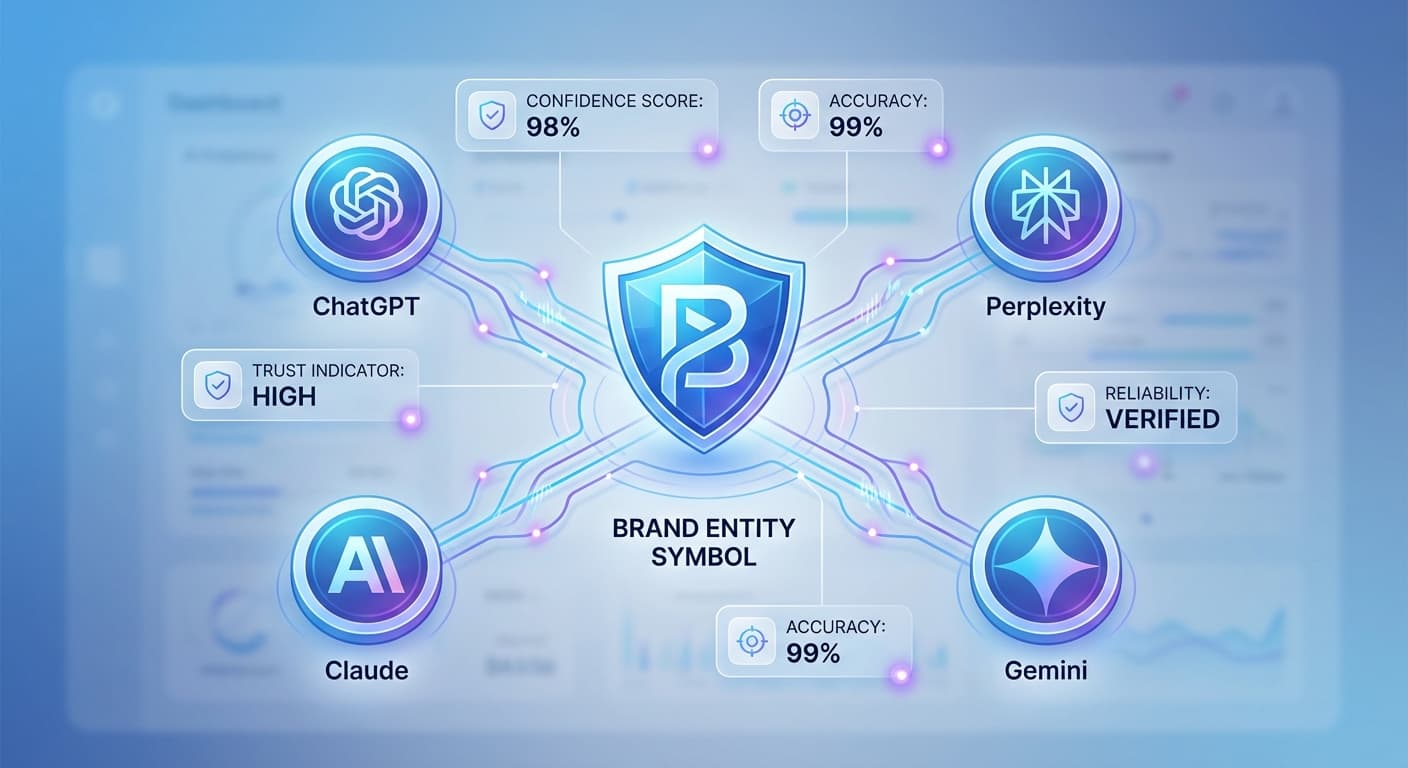
Building effective question-cluster content models requires understanding how AI engines actually interpret and cite your content. Citescope Ai's GEO Score analyzes your content across five critical dimensions including AI Interpretability and Conversational Relevance, giving you a concrete 0-100 score that shows exactly how AI-friendly your content is.
The platform's Citation Tracker monitors when your question-cluster content gets cited by ChatGPT, Perplexity, Claude, and Gemini, so you can see which question combinations are resonating most with AI engines. Plus, the AI Rewriter can help restructure existing keyword-focused content into intent-dense answer formats that AI engines prefer to cite.
The Future of Content in the AI Search Era
As we move deeper into 2026, the content creators who succeed will be those who understand that AI engines don't just index information—they synthesize it. Your content needs to be structured not just for discovery, but for intelligent integration into AI-generated responses.
Question-cluster content models represent the evolution from keyword-centric SEO to intent-centric AI optimization. The brands and creators who master this transition will own the AI search landscape for years to come.
Ready to Optimize for AI Search?
Building question-cluster content models that AI engines love requires the right tools and insights. Citescope Ai helps you analyze, optimize, and track your content's performance across all major AI search engines. Start with our free tier and get 3 content optimizations to see how your question-cluster strategy performs. Ready to future-proof your content? Try Citescope Ai free today.