How to Build Entity Clarity at Scale When Inconsistent Brand Messaging Across Platforms Is Killing Your AI Search Visibility
How to Build Entity Clarity at Scale When Inconsistent Brand Messaging Across Platforms Is Killing Your AI Search Visibility
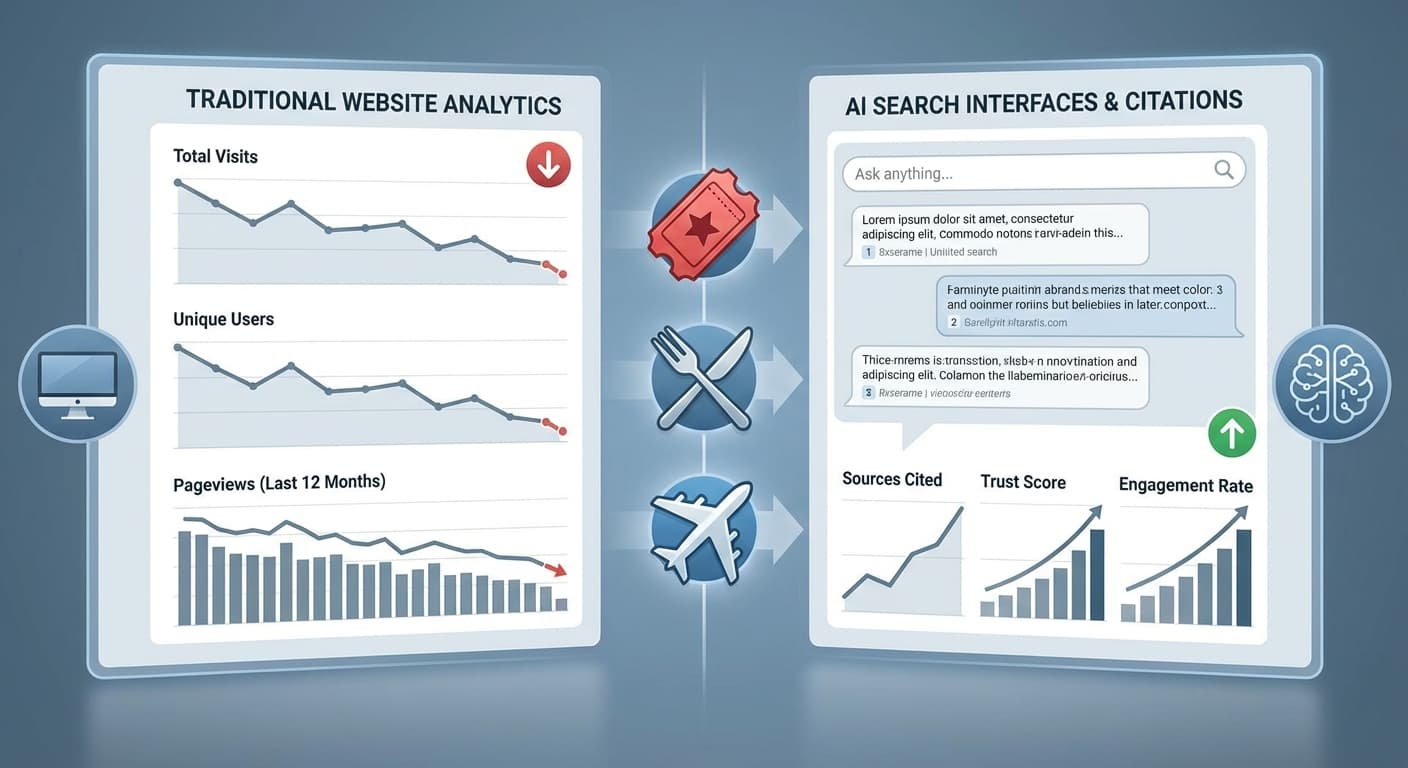
In 2026, with over 500 million weekly ChatGPT users and AI search accounting for 35% of all queries, your brand's entity clarity has become make-or-break for digital visibility. Yet most businesses are unknowingly sabotaging their AI search performance through inconsistent messaging across platforms—confusing AI models and losing out on citations worth millions in visibility.
The problem isn't just about SEO anymore. When Claude can't distinguish between your company's different service descriptions across LinkedIn, your website, and your press releases, it simply won't cite you. And with 73% of Gen Z now using AI for search decisions, entity confusion is costing businesses more than just traffic—it's costing them their future customers.
Why Entity Clarity Matters More Than Ever in 2026
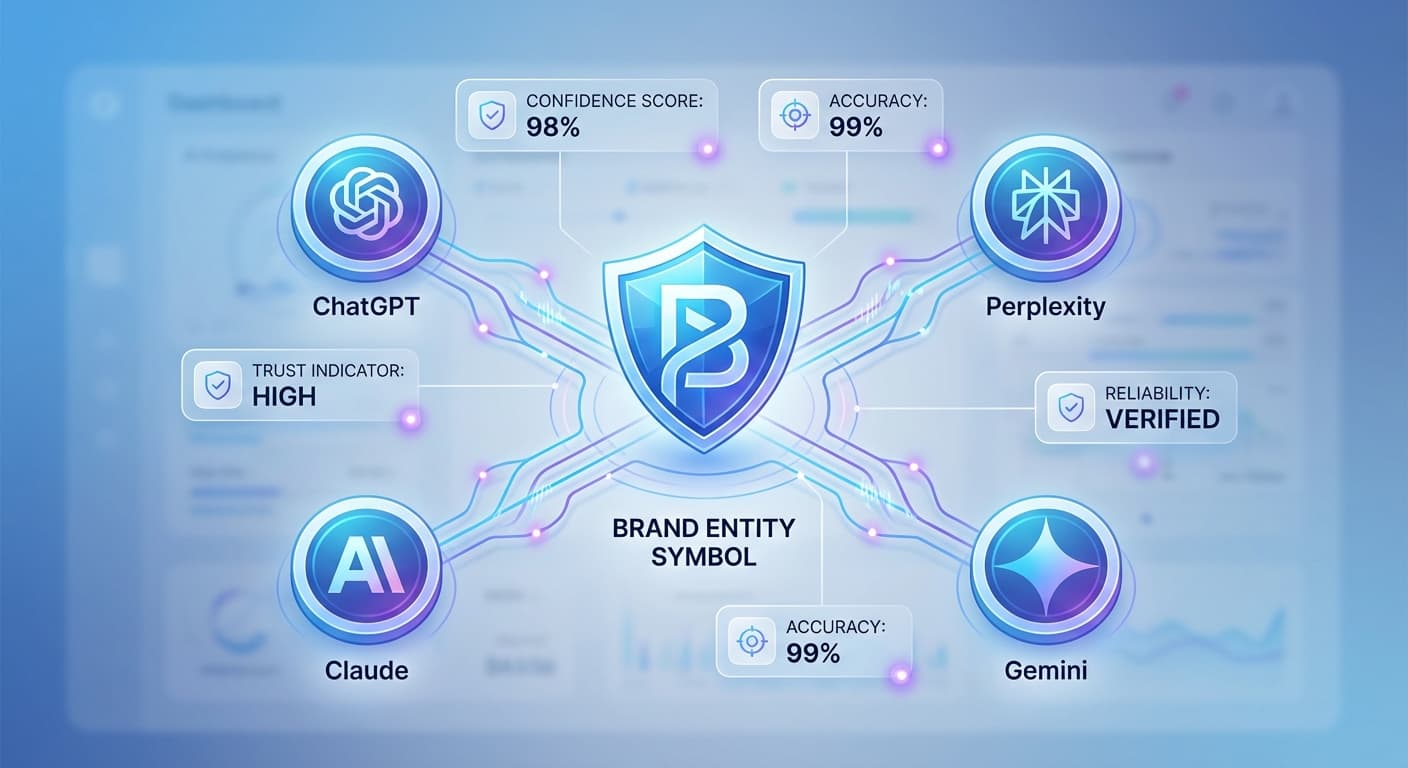
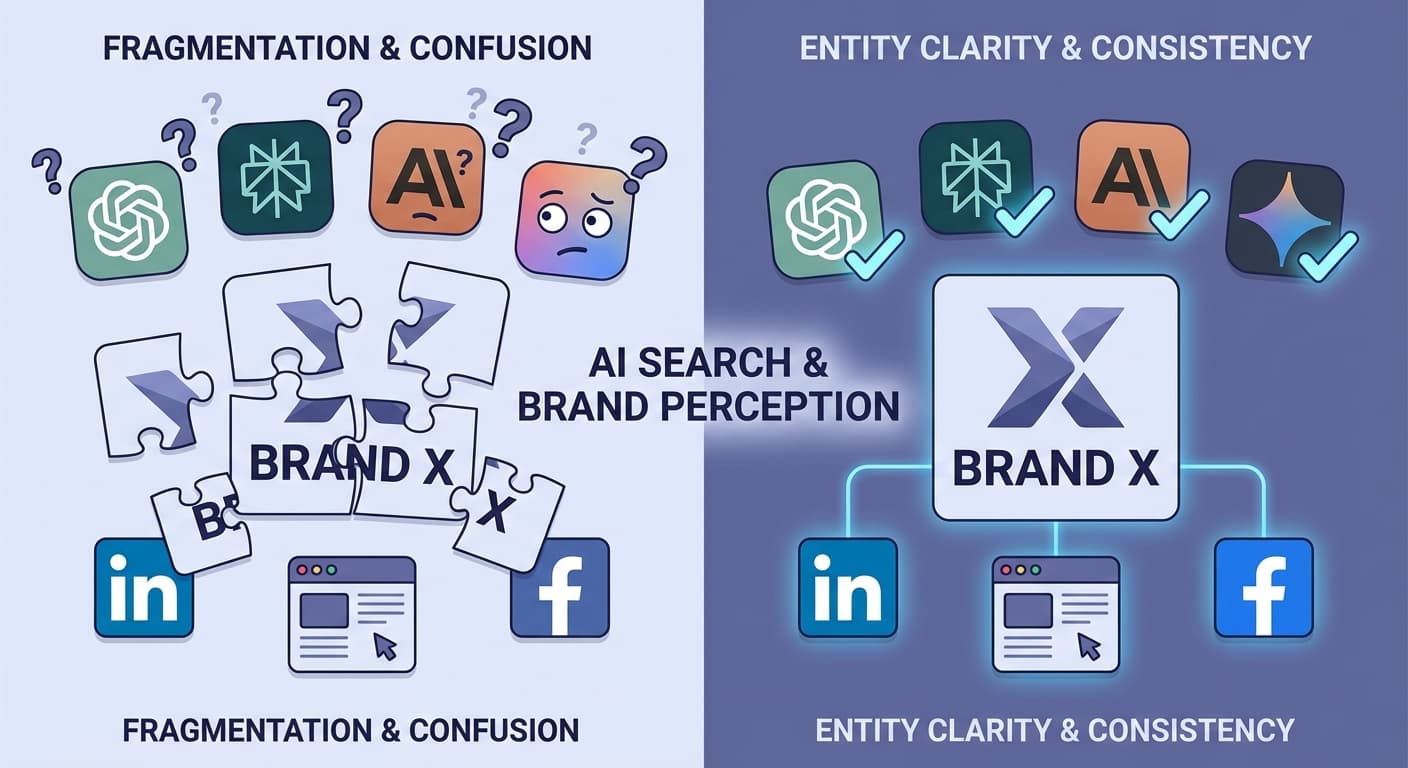
AI models like ChatGPT, Perplexity, and Gemini don't just crawl web pages—they build comprehensive entity graphs. These systems create detailed profiles of businesses, people, and concepts by connecting information across every touchpoint. When your messaging is inconsistent, AI models struggle to build a coherent understanding of what your business actually does.
The Real Cost of Entity Confusion:
Consider this: if your website says you're a "digital marketing agency," your LinkedIn describes you as a "growth acceleration firm," and your case studies reference "performance marketing solutions," AI models receive conflicting signals about your core business. The result? You become invisible in AI search results for all three categories.
The 5 Pillars of Scalable Entity Clarity
1. Establish Core Entity Definitions
Start by defining your primary entity signals—the fundamental descriptors that should remain consistent across all platforms. This includes:
Create a master document that every content creator, social media manager, and PR team member can reference. This isn't just about brand guidelines—it's about entity survival in AI search.
2. Audit Your Current Entity Footprint
Before fixing inconsistencies, you need to understand where they exist. Conduct a comprehensive audit across:
Document every variation of how your business is described. You'll likely find dozens of subtle differences that are fragmenting your entity signal.
3. Implement Platform-Specific Consistency Protocols
Different platforms require tailored approaches while maintaining core consistency:
LinkedIn Strategy:
Website Optimization:
Directory and Citation Management:
4. Scale Through Content Templates and Guidelines
Building entity clarity at scale requires systematic content creation processes:
Template Development:
Team Training and Guidelines:
5. Monitor and Maintain Entity Health
Entity clarity isn't a one-time fix—it requires ongoing monitoring and maintenance:
Regular Auditing:
Performance Tracking:
Common Entity Clarity Mistakes That Kill AI Visibility
Mistake #1: Platform-Specific Jargon
Using different industry terminology on LinkedIn versus your website confuses AI models about your actual expertise.
Mistake #2: Evolving Without Updates
Changing your positioning strategy without updating older content creates conflicting entity signals.
Mistake #3: Employee Inconsistency
Allowing team members to describe the company differently in their personal branding fragments your entity signal.
Mistake #4: Acquisition Integration Issues
Merging companies without aligning entity descriptions creates confusion about your combined offerings.
Mistake #5: Regional Variations
Using different business descriptions for different geographic markets without clear entity relationships.
Advanced Strategies for Enterprise-Scale Entity Management
For larger organizations, entity clarity becomes exponentially more complex:
Centralized Content Governance:
Technology Integration:
Cross-Department Alignment:
How Citescope Ai Helps Build Entity Clarity
While manual entity management can be overwhelming, Citescope Ai's GEO Score includes specific analysis of entity clarity within its AI Interpretability dimension. The platform identifies inconsistencies in how AI models interpret your content and provides specific recommendations for improving entity signal strength.
The AI Rewriter feature can restructure content to maintain consistent entity signals while optimizing for better AI search visibility. This ensures your messaging improvements don't come at the cost of citation potential. Additionally, the Citation Tracker helps you monitor whether your entity clarity improvements are translating into more frequent and accurate citations across ChatGPT, Perplexity, Claude, and Gemini.
Measuring Entity Clarity Success
Track these key metrics to ensure your entity clarity efforts are working:
Direct Metrics:
Business Impact Metrics:
Ready to Optimize for AI Search?
Entity clarity isn't just about consistent messaging—it's about survival in an AI-first search landscape. With over 70% of Gen Z relying on AI for search decisions, businesses that can't maintain coherent entity signals across platforms will simply disappear from consideration.
Citescope Ai helps you identify entity clarity issues and optimize your content for maximum AI search visibility. Start with our free tier to analyze your current entity strength, or upgrade to Pro for comprehensive optimization tools. Take control of how AI understands your business—before your competitors do.
Try Citescope Ai free today and see how your entity clarity measures up