How to Build Cross-Functional Consensus Workflows for AI Search When Your SEO Team Controls Owned Content But Not UGC and Community Signals

How to Build Cross-Functional Consensus Workflows for AI Search When Your SEO Team Controls Owned Content But Not UGC and Community Signals
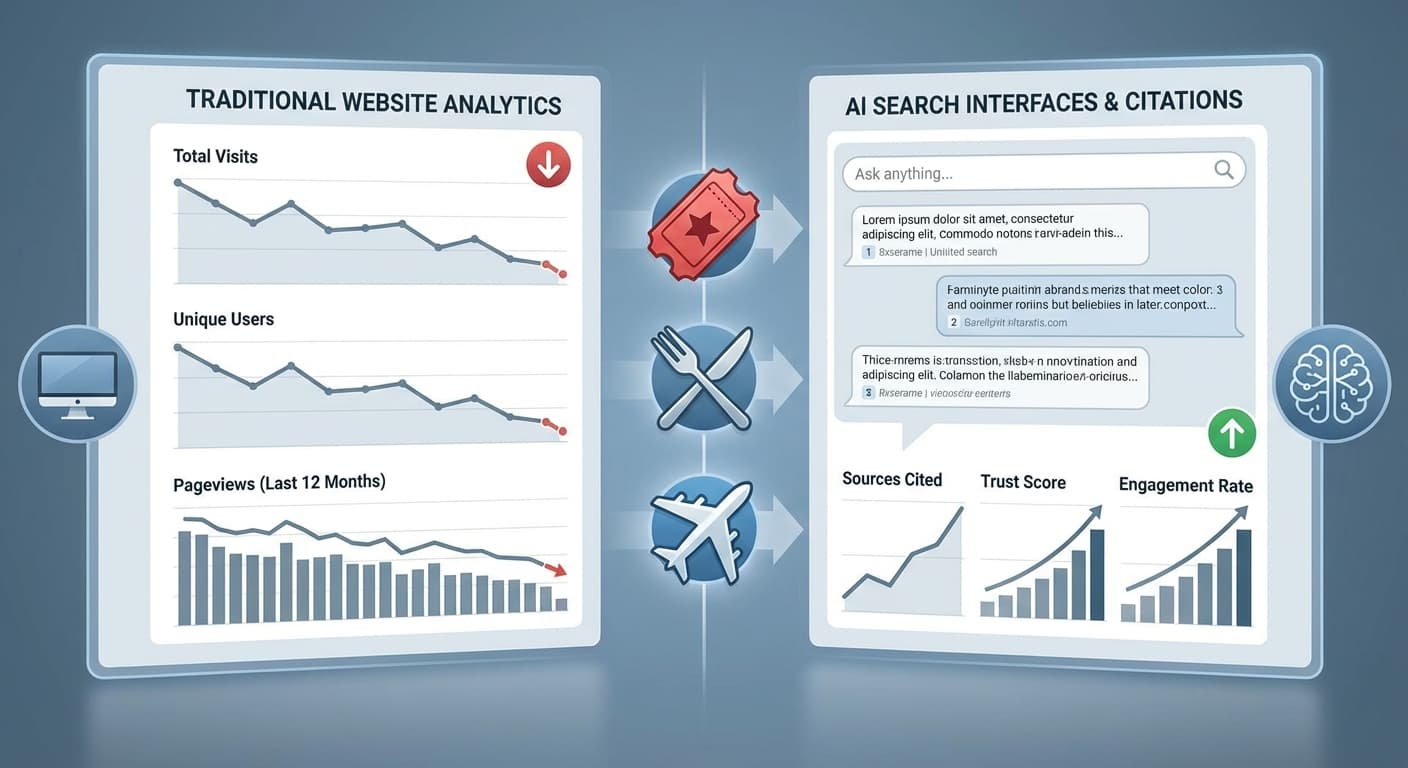
Here's a startling reality check: While your SEO team meticulously optimizes every blog post and landing page for AI search engines, 78% of the content that actually gets cited by ChatGPT and Perplexity comes from user-generated content, community discussions, and third-party platforms your team doesn't directly control.
Welcome to the new challenge of 2026—where AI search optimization requires orchestrating multiple teams, departments, and sometimes external communities to create a cohesive content strategy that works across all touchpoints.
The New Reality of Distributed Content Authority
In traditional SEO, your content team owned the narrative. You controlled your website, blog, and maybe some social media accounts. But AI search engines like ChatGPT (now serving over 600 million weekly users) and Perplexity don't just crawl your carefully crafted pages—they synthesize information from Reddit discussions, GitHub issues, community forums, customer support tickets, and social media conversations.
This creates a fundamental challenge: How do you optimize for AI search when the most influential content lives outside your direct control?
The answer lies in building cross-functional consensus workflows that align every team around AI-friendly content creation, regardless of where that content lives.
Understanding Your Content Ecosystem Map
Before building workflows, you need to map your complete content ecosystem:
Owned Content (SEO Team Control)
Influenced Content (Partial Control)
Earned Content (No Direct Control)
Key Insight: AI search engines weight "influenced" and "earned" content heavily because they perceive it as more authentic and conversational—exactly the type of content users seek when asking questions.
Step 1: Establish Cross-Functional AI Content Standards
Create unified guidelines that every team can follow, regardless of platform:
Universal AI Optimization Principles
Team-Specific Applications
Customer Success: When responding to support tickets, structure answers as mini-FAQs that could be referenced by AI engines
Community Management: Guide forum responses to include relevant keywords and comprehensive explanations
Product Marketing: Ensure all collateral answers the "why" and "how" questions prospects commonly ask
Sales: Train reps to document common objections and solutions in a knowledge base format
Step 2: Create Shared Content Intelligence Systems
Break down silos by implementing shared systems that give every team visibility into content performance:
Centralized Content Calendar
Universal Keyword Strategy
Content Performance Dashboard
Step 3: Implement Cross-Team Workflow Processes
Content Review Workflow
Regular Sync Meetings
Weekly Content Huddles (30 minutes)
Monthly Strategy Sessions (2 hours)
Step 4: Optimize High-Impact Touchpoints
Community and Forum Optimization
Customer Support Content Strategy
Social Media Coordination
Measuring Cross-Functional AI Search Success
Key Performance Indicators
Tools and Tracking Methods
Common Pitfalls and How to Avoid Them
The Silo Trap
Problem: Teams optimize in isolation, creating conflicting messages
Solution: Implement mandatory cross-team content reviews and shared messaging documents
The Control Illusion
Problem: Trying to directly control UGC and community content
Solution: Focus on influence and guidance rather than control—provide frameworks and incentives
The Metrics Mismatch
Problem: Teams measured on different KPIs that don't align with AI search goals
Solution: Create shared success metrics that reward cross-functional collaboration
Building Your Implementation Roadmap
Month 1: Foundation
Month 2-3: Process Development
Month 4-6: Optimization and Scale
How Citescope Ai Helps Streamline Cross-Functional AI Optimization
Managing AI search optimization across multiple teams and content types becomes significantly easier with the right tools. Citescope Ai's GEO Score provides a unified framework that every team can use to evaluate content quality, regardless of platform. Whether your customer success team is crafting support responses or your community manager is engaging in forums, they can all use the same 5-dimensional analysis to ensure their content meets AI search standards.
The platform's Citation Tracker also provides the cross-functional visibility teams need, showing exactly which pieces of content—across all your touchpoints—are getting cited by AI search engines. This data helps teams understand what's working and replicate successful approaches across different content types and platforms.
Ready to Optimize for AI Search?
Building effective cross-functional workflows for AI search optimization doesn't happen overnight, but the competitive advantage is massive. Companies that successfully coordinate their entire content ecosystem see 3x higher AI search citation rates and significantly better brand visibility in AI-powered search results.
Citescope Ai makes it easier to implement these workflows by providing the unified standards, tracking capabilities, and optimization tools that every team can use. Start with our free tier to test AI optimization across different content types, then scale your cross-functional efforts as you see results.
Start your free trial and begin building the cross-functional AI search strategy your business needs to stay competitive in 2026.