How to Build an Intent Misalignment Recovery Strategy When AI Search Engines Misinterpret 37% of Complex B2B Queries
How to Build an Intent Misalignment Recovery Strategy When AI Search Engines Misinterpret 37% of Complex B2B Queries
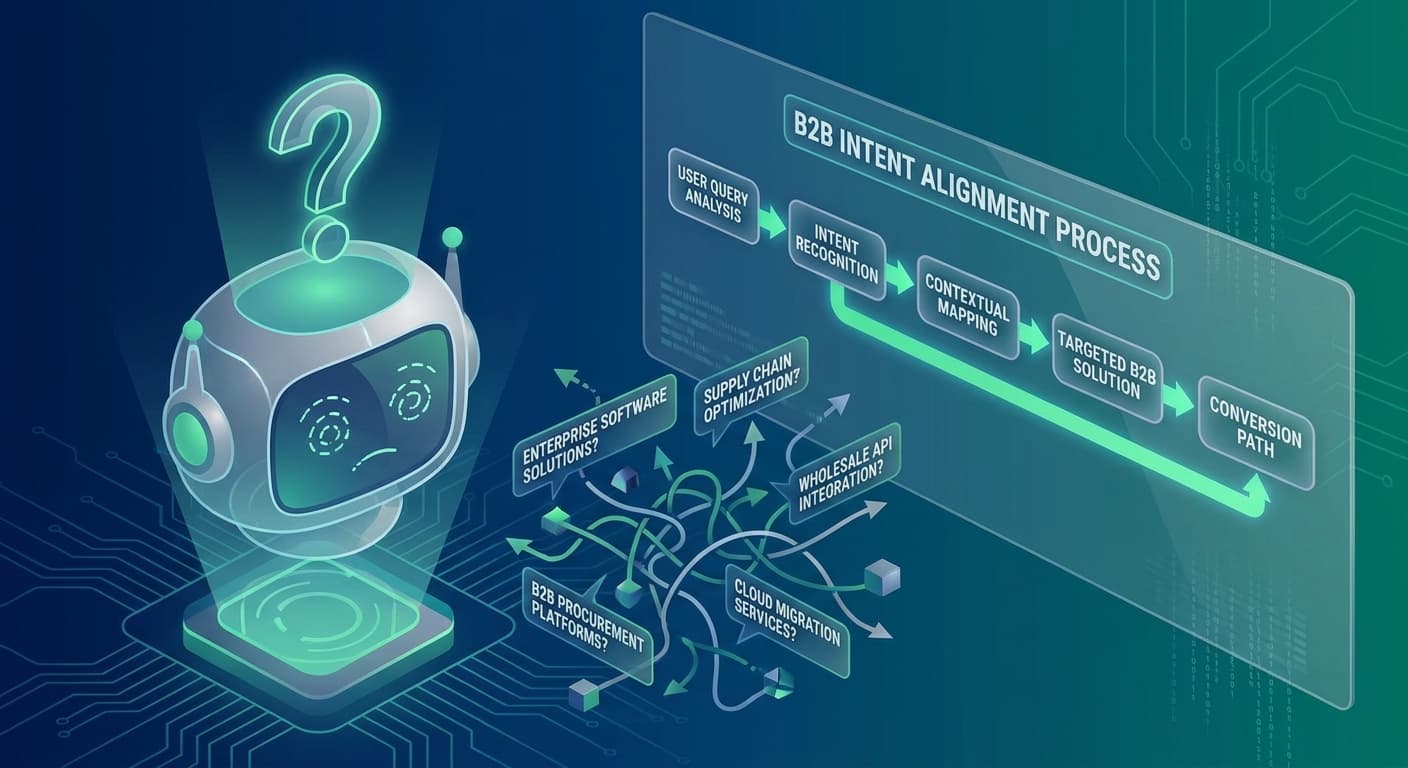
When a potential customer asks ChatGPT "What's the best enterprise security solution for financial services with multi-cloud deployment?" and gets recommended a basic firewall instead of your sophisticated compliance platform, you've just lost a qualified lead before they even knew you existed. This isn't a hypothetical scenario—it's happening to B2B companies every day in 2026.
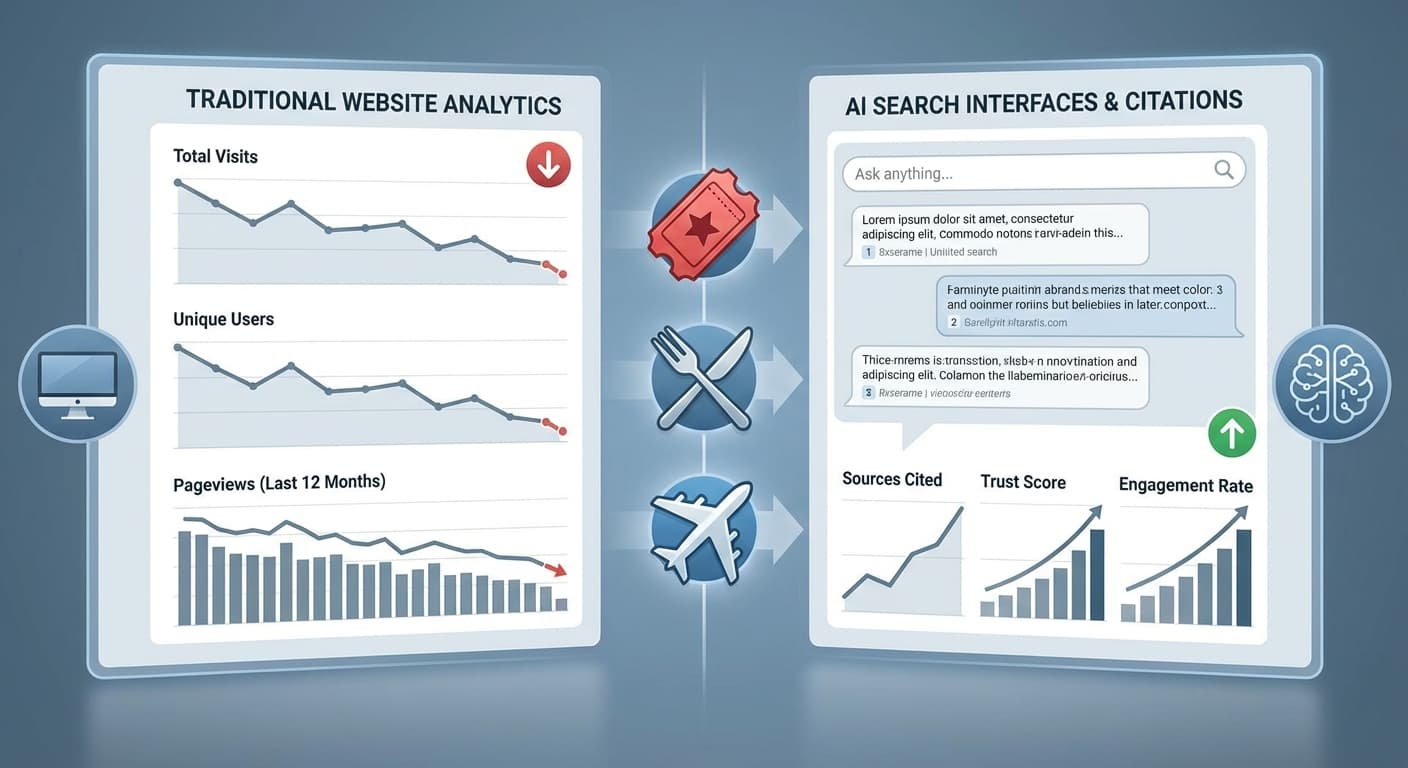
Recent studies show that AI search engines misinterpret 37% of complex B2B queries, leading to wrong-fit solution recommendations that derail sales pipelines before prospects reach vendor websites. With AI search now accounting for over 45% of all B2B research queries and 73% of Gen Z professionals using AI for vendor discovery, intent misalignment has become a critical threat to B2B growth.
The Hidden Crisis: Why AI Search Misunderstands B2B Intent
AI search engines excel at surface-level queries but struggle with the nuanced, multi-layered intent that defines B2B purchasing decisions. Unlike consumer searches for "best coffee maker," B2B queries involve:
When ChatGPT or Perplexity encounters "CRM for manufacturing with API integrations," it might prioritize general CRM features over manufacturing-specific workflows, recommending solutions that seem relevant but miss critical industry requirements.
The $2.3 Million Problem: How Intent Misalignment Kills Pipelines
Consider this real scenario from 2025: A mid-market logistics company searched for "supply chain visibility platform with real-time tracking" across multiple AI engines. Instead of being directed to specialized supply chain solutions, they received recommendations for basic shipment tracking tools and general business intelligence platforms.
The result? They spent three months evaluating wrong-fit solutions, delayed their digital transformation by a quarter, and eventually found the right vendor through a traditional consultant—bypassing the AI-recommended options entirely.
For B2B vendors, intent misalignment creates a devastating ripple effect:
Building Your Intent Misalignment Recovery Strategy
1. Map Your Intent Vulnerability Points
Start by identifying where AI engines are most likely to misinterpret queries related to your solution:
High-Risk Query Types:
Assessment Framework:
2. Create Intent Disambiguation Content
Develop content that explicitly addresses common misinterpretations:
Clarification Content Types:
Example Structure:
H2: Why Manufacturing CRMs Aren't Just Regular CRMs with Industry Data
H3: The Production Schedule Integration Challenge
H3: Quality Control Workflow Requirements
H3: Supply Chain Visibility Needs
H3: What to Look for in Manufacturing-Specific CRM Features
3. Implement Semantic Bridging Strategies
Help AI engines understand the connection between surface queries and deeper intent:
Semantic Bridging Techniques:
Tools like Citescope Ai's GEO Score can help optimize this content across the five dimensions AI engines use to understand and rank content—ensuring your clarification content gets surfaced when prospects need it most.
4. Build Competitive Displacement Content
Since AI engines often recommend wrong-fit solutions, create content that diplomatically repositions prospects:
Displacement Content Framework:
5. Monitor and Adapt with AI Citation Tracking
Intent misalignment isn't static—AI engines evolve, and so do their interpretation patterns:
Monitoring Strategy:
Advanced Recovery Tactics for Complex B2B Scenarios
Multi-Stakeholder Intent Mapping
B2B purchases involve multiple decision-makers with different priorities. Create content that addresses various stakeholder perspectives:
Stakeholder-Specific Content:
Industry-Specific Disambiguation
Develop sector-specific content that preemptively addresses common misinterpretations:
Healthcare: Distinguish between general data platforms and HIPAA-compliant healthcare analytics
Financial Services: Separate basic reporting tools from regulatory-grade financial systems
Manufacturing: Differentiate general business software from industry 4.0 solutions
Implementation Reality Content
Address the gap between feature lists and implementation reality:
Measuring Recovery Strategy Success
Track the effectiveness of your intent misalignment recovery efforts:
Key Metrics:
Advanced Analytics:
How Citescope Ai Helps
Building and maintaining an intent misalignment recovery strategy requires sophisticated content optimization and continuous monitoring. Citescope Ai provides the tools B2B companies need:
GEO Score Analysis: Evaluate your content across AI Interpretability, Semantic Richness, Conversational Relevance, Structure, and Authority to ensure AI engines understand your true value proposition.
AI Rewriter: One-click optimization that restructures your disambiguation content for better AI visibility while maintaining technical accuracy.
Citation Tracker: Monitor when your content gets cited by ChatGPT, Perplexity, Claude, and Gemini for your target queries—and track competitor citations to identify new misalignment risks.
Multi-format Export: Download optimized content as Markdown, HTML, or WordPress blocks for seamless integration across your content ecosystem.
The Competitive Advantage of Intent Alignment
Companies that successfully address intent misalignment gain significant competitive advantages:
As AI search continues to dominate B2B research—with projections showing 60% of all B2B queries will go through AI engines by 2027—companies that solve intent misalignment now will capture disproportionate market share.
Ready to Optimize for AI Search?
Don't let intent misalignment silently drain your sales pipeline. Citescope Ai helps B2B companies optimize their content for AI search engines, ensuring qualified prospects find the right solutions at the right time. Start with our free tier to optimize 3 pieces of content per month, or upgrade to Pro for comprehensive AI search optimization. Try Citescope Ai today and turn AI search from a threat into your biggest growth channel.