How to Build an Automated AI Visibility Monitoring Dashboard When Manual Tracking Across Google AI Overviews, ChatGPT Search, and Perplexity Becomes Impossible at Enterprise Scale
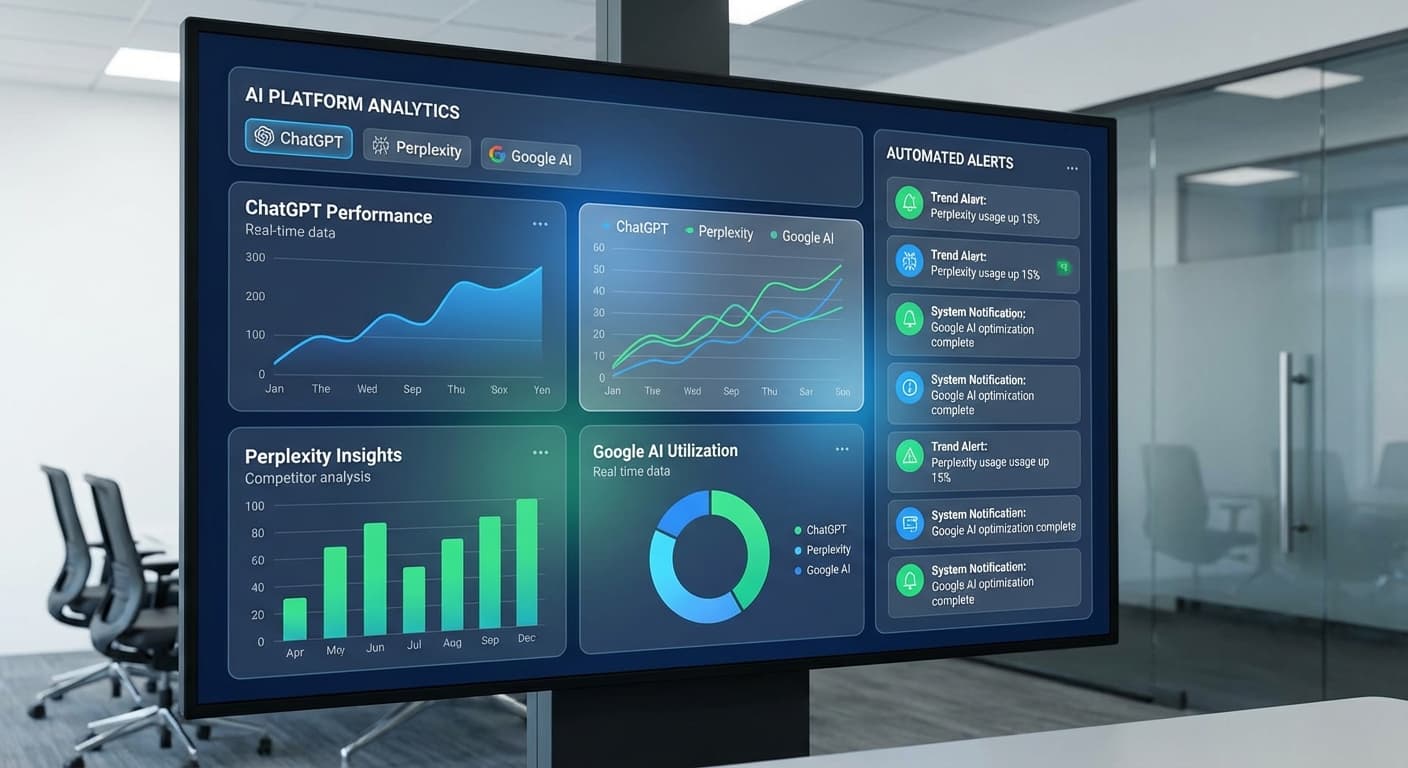
How to Build an Automated AI Visibility Monitoring Dashboard When Manual Tracking Across Google AI Overviews, ChatGPT Search, and Perplexity Becomes Impossible at Enterprise Scale
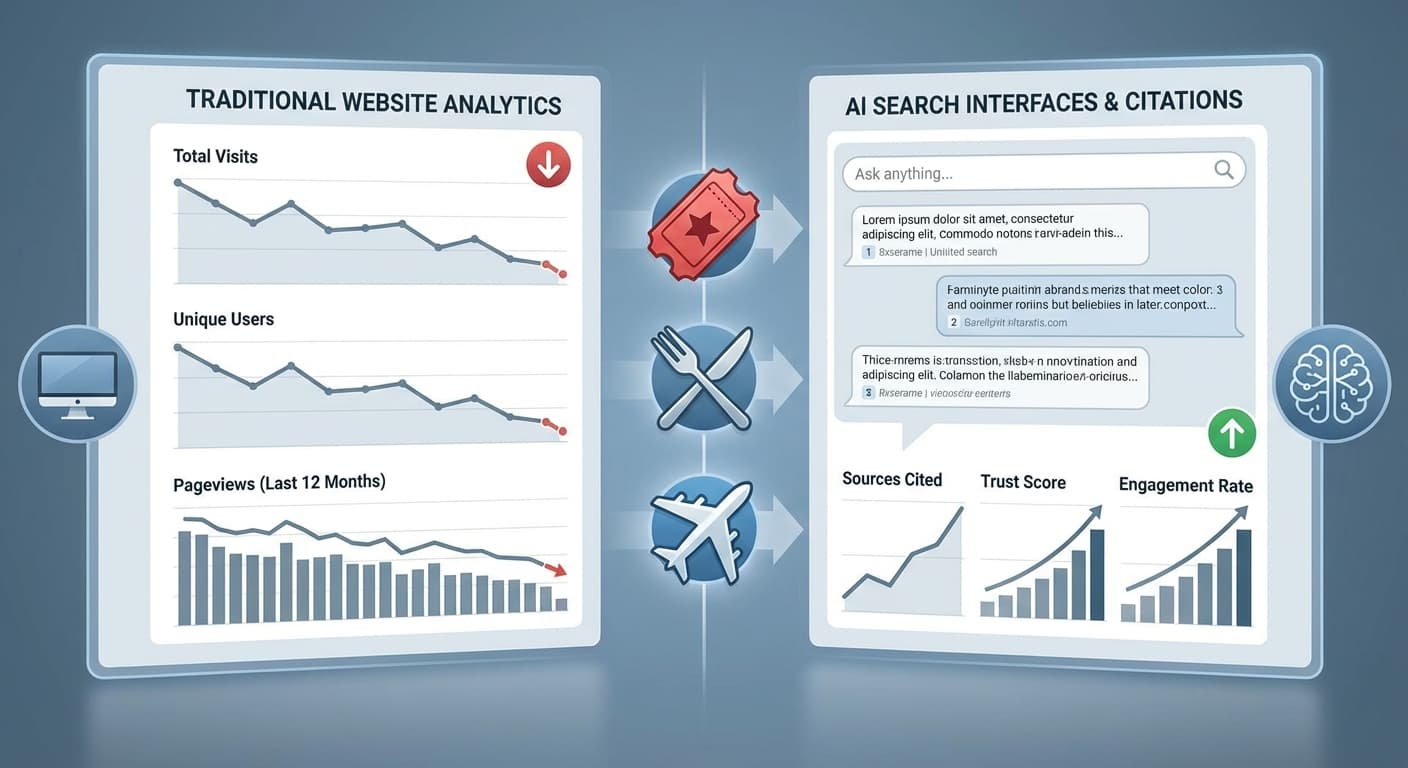
With AI search engines now handling over 40% of all search queries in 2025 and ChatGPT Search reaching 150 million weekly users, enterprise companies are drowning in the complexity of tracking their content visibility across multiple AI platforms. What started as a simple "let's check if ChatGPT mentions us" has evolved into a critical business intelligence challenge that demands automation.
If you're managing content for an enterprise brand, you've likely experienced the frustration: your team spends hours manually searching Google AI Overviews, ChatGPT, Perplexity, and Claude to see if your content gets cited. Meanwhile, your competitors might be gaining AI visibility while you're stuck playing catch-up with spreadsheets and manual processes.
The Scale Problem: Why Manual Monitoring Fails at Enterprise Level
Enterprise companies face unique challenges that make manual AI visibility tracking practically impossible:
Volume and Complexity
Recent data from 2025 shows that enterprise companies with over 10,000 pages of content would need a full-time team of 12+ people to manually monitor AI visibility across just the top 4 AI search engines. That's neither scalable nor cost-effective.
Real-Time Market Intelligence Needs
In today's fast-moving digital landscape, knowing that your content was cited yesterday isn't enough. Enterprises need:
Core Components of an Enterprise AI Visibility Dashboard
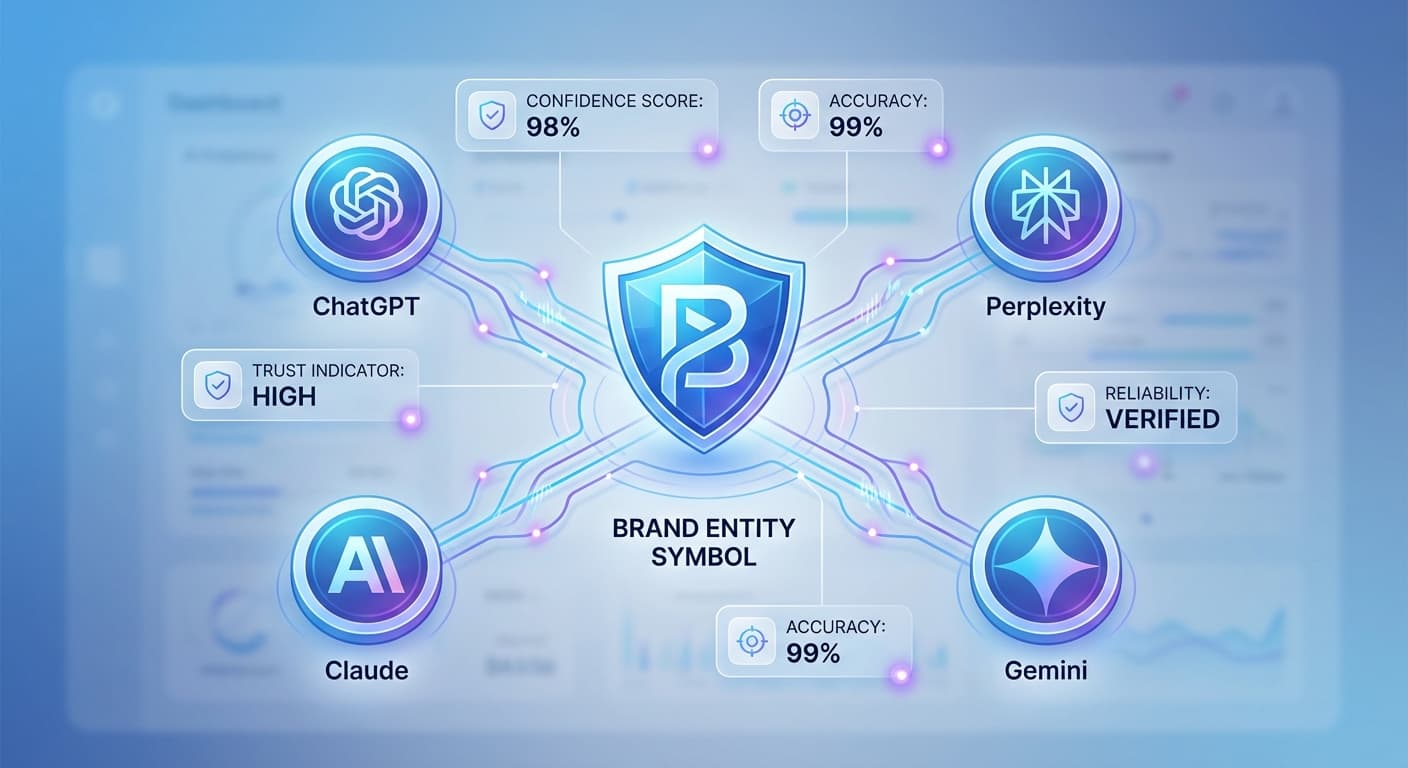
1. Multi-Platform Data Integration
Your dashboard needs to pull data from multiple sources:
Primary AI Search Engines:
Data Points to Track:
2. Automated Query Generation and Testing
Manual keyword testing doesn't scale. Your system needs:
Smart Query Creation:
Automated Testing Schedules:
3. Advanced Analytics and Reporting
Visibility Metrics Dashboard:
ROI and Business Impact Tracking:
Technical Architecture for Enterprise-Scale Monitoring
API Integration Strategy
While most AI platforms don't offer direct citation APIs, enterprise solutions require:
Automated Query Processing:
Data Processing Pipeline:
Scalability Considerations
Infrastructure Requirements:
Data Storage and Management:
Implementation Roadmap for Enterprise Teams
Phase 1: Foundation (Months 1-2)
Phase 2: Automation (Months 3-4)
Phase 3: Optimization (Months 5-6)
While building a custom solution provides maximum control, many enterprises find that the development time, maintenance costs, and technical complexity make it challenging to achieve ROI quickly.
How Citescope Ai Simplifies Enterprise AI Visibility Monitoring
For enterprises looking to skip the 6-month development cycle, Citescope Ai provides a ready-to-deploy solution that addresses the core challenges:
Comprehensive Platform Coverage:
Enterprise-Ready Features:
Scalable Automation:
The platform's GEO Score analysis across 5 key dimensions helps enterprises prioritize optimization efforts based on data rather than guesswork, while the Citation Tracker provides the comprehensive monitoring that manual processes simply can't match at scale.
Best Practices for Enterprise AI Visibility Management
1. Start with Strategic Content Prioritization
Not all content needs the same level of monitoring:
2. Implement Cross-Team Collaboration
Key Stakeholders:
3. Establish Clear Success Metrics
Leading Indicators:
Lagging Indicators:
Future-Proofing Your AI Visibility Strategy
As AI search continues evolving rapidly in 2025 and beyond, enterprise monitoring systems need to adapt:
Emerging Platforms: New AI search engines are launching quarterly. Your system should be flexible enough to add new platforms quickly.
Changing Algorithms: AI platforms update their citation algorithms frequently. Continuous monitoring helps identify and adapt to these changes.
International Expansion: As AI search grows globally, monitoring capabilities need to expand to new languages and regions.
Ready to Optimize for AI Search?
Building an enterprise-scale AI visibility monitoring system doesn't have to take months of development time and hundreds of thousands in engineering resources. Citescope Ai provides enterprise companies with immediate access to comprehensive AI citation tracking, automated optimization recommendations, and the scalable monitoring infrastructure needed to compete effectively in the age of AI search.
Start with our free tier to test monitoring for your highest-priority content, then scale to Pro ($39/month) or Enterprise ($99/month) plans as your needs grow. Get the AI visibility insights your enterprise needs to make data-driven content decisions and stay ahead of the competition.
Try Citescope Ai free today and transform your manual monitoring processes into an automated competitive advantage.