How to Build an AI Share of Voice Tracking System When Your Brand Citations Across ChatGPT, Perplexity, and Google AI Mode Can't Be Measured with Traditional SEO Tools

How to Build an AI Share of Voice Tracking System When Your Brand Citations Across ChatGPT, Perplexity, and Google AI Mode Can't Be Measured with Traditional SEO Tools
When 73% of professionals now use AI search engines for research and decision-making, your brand's share of voice has evolved far beyond traditional SERP rankings. Yet here's the challenge: while your competitors are being cited in ChatGPT responses and Perplexity summaries, traditional SEO tools like SEMrush and Ahrefs can't track these AI citations—leaving you blind to where you actually stand in the AI-driven search landscape of 2026.
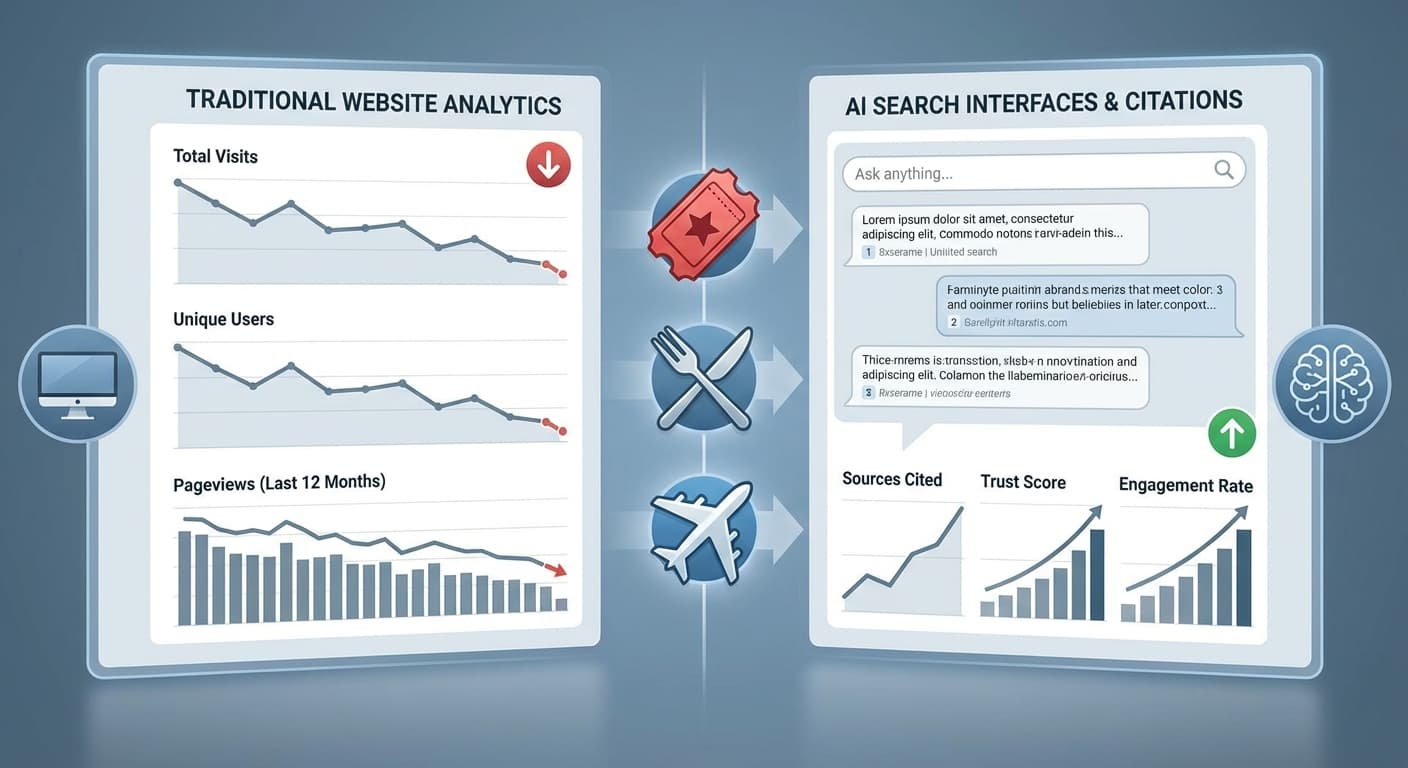
The rise of AI search has fundamentally shifted how share of voice should be measured. When someone asks ChatGPT "What are the best project management tools?" or queries Perplexity about "top cybersecurity solutions," the brands mentioned in those responses gain massive visibility—but this exposure is invisible to conventional tracking methods.
Why Traditional Share of Voice Metrics Fall Short in AI Search
Traditional share of voice metrics were built for a world where search meant blue links and featured snippets. These tools excel at tracking keyword rankings, SERP features, and website traffic—but they're fundamentally unable to capture what happens inside AI conversations.
The AI Search Blind Spot
Here's what traditional tools can't see:
This visibility gap means you could be losing significant market share without even knowing it. A study by AI Search Analytics found that 68% of B2B buyers discovered new solutions through AI search in 2025, yet most brands have zero visibility into this channel.
Building Your AI Share of Voice Tracking Framework
Step 1: Define Your AI Share of Voice Metrics
Unlike traditional SEO, AI share of voice requires new KPIs:
Citation Frequency Metrics:
Conversation Depth Metrics:
Competitive Intelligence Metrics:
Step 2: Create Your Query Portfolio
Develop a comprehensive set of test queries that represent how your target audience searches:
Direct Brand Queries:
Category and Problem-Based Queries:
Intent-Specific Queries:
Step 3: Establish Your Monitoring Infrastructure
Since traditional tools can't track AI citations, you'll need a multi-layered approach:
Manual Monitoring (Baseline):
Automated Query Systems:
Citation Alert Systems:
Step 4: Analyze Citation Patterns and Context
Once you're collecting data, look for patterns that reveal your AI share of voice:
Citation Quality Assessment:
Topic and Use Case Mapping:
Optimizing Your Content for Better AI Share of Voice
Tracking is only valuable if it leads to optimization. Here's how to improve your AI citation rate:
Content Structure Optimization
Create AI-Friendly Content Formats:
Optimize for Conversational Queries:
Authority and Credibility Signals
Build Content Authority:
Enhance Semantic Richness:
How Citescope Ai Helps
While building a manual AI share of voice tracking system provides valuable insights, it's time-intensive and difficult to scale. Citescope Ai automates this entire process with purpose-built AI citation tracking.
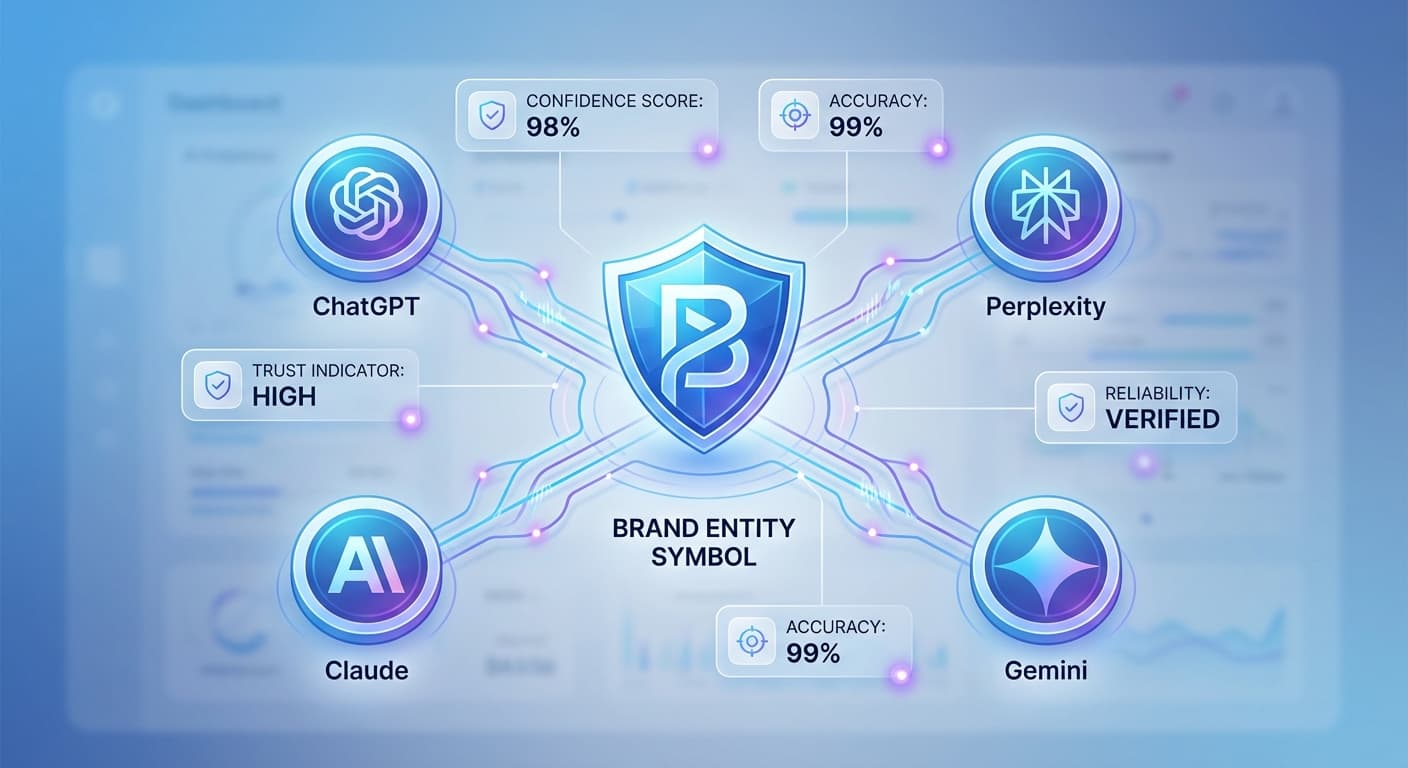
Our Citation Tracker monitors your brand mentions across ChatGPT, Perplexity, Claude, and Gemini, providing real-time alerts when your content gets cited. You'll see exactly which pieces of content are driving AI citations and how your share of voice compares to competitors.
The GEO Score analyzes your content across five dimensions that directly impact AI citation rates—from semantic richness to conversational relevance—giving you a clear roadmap for optimization. Instead of guessing what AI engines want, you get data-driven insights into exactly how to improve your content for better citations.
Advanced AI Share of Voice Strategies
Competitor Intelligence
Monitor competitor citations to identify content gaps:
Content Gap Analysis
Use AI citation data to guide content strategy:
Multi-Platform Optimization
Different AI platforms have varying citation preferences:
Measuring ROI of AI Share of Voice
Track how AI citations translate to business outcomes:
Direct Attribution Metrics:
Indirect Impact Indicators:
Ready to Optimize for AI Search?
Building an AI share of voice tracking system is essential for staying competitive in 2026's search landscape, but it doesn't have to be overwhelming. Citescope Ai provides the tools and insights you need to track, analyze, and optimize your AI citations across all major platforms.
Start with our free tier to see how your content performs in AI search, then upgrade to Pro for comprehensive citation tracking and optimization tools. Your competitors are already being cited in AI responses—make sure you're part of the conversation.
[Start tracking your AI citations for free →]