How to Build an AI Search Video Demo Citation Strategy When 79% of B2B Buyers Research Through AI Assistants
How to Build an AI Search Video Demo Citation Strategy When 79% of B2B Buyers Research Through AI Assistants
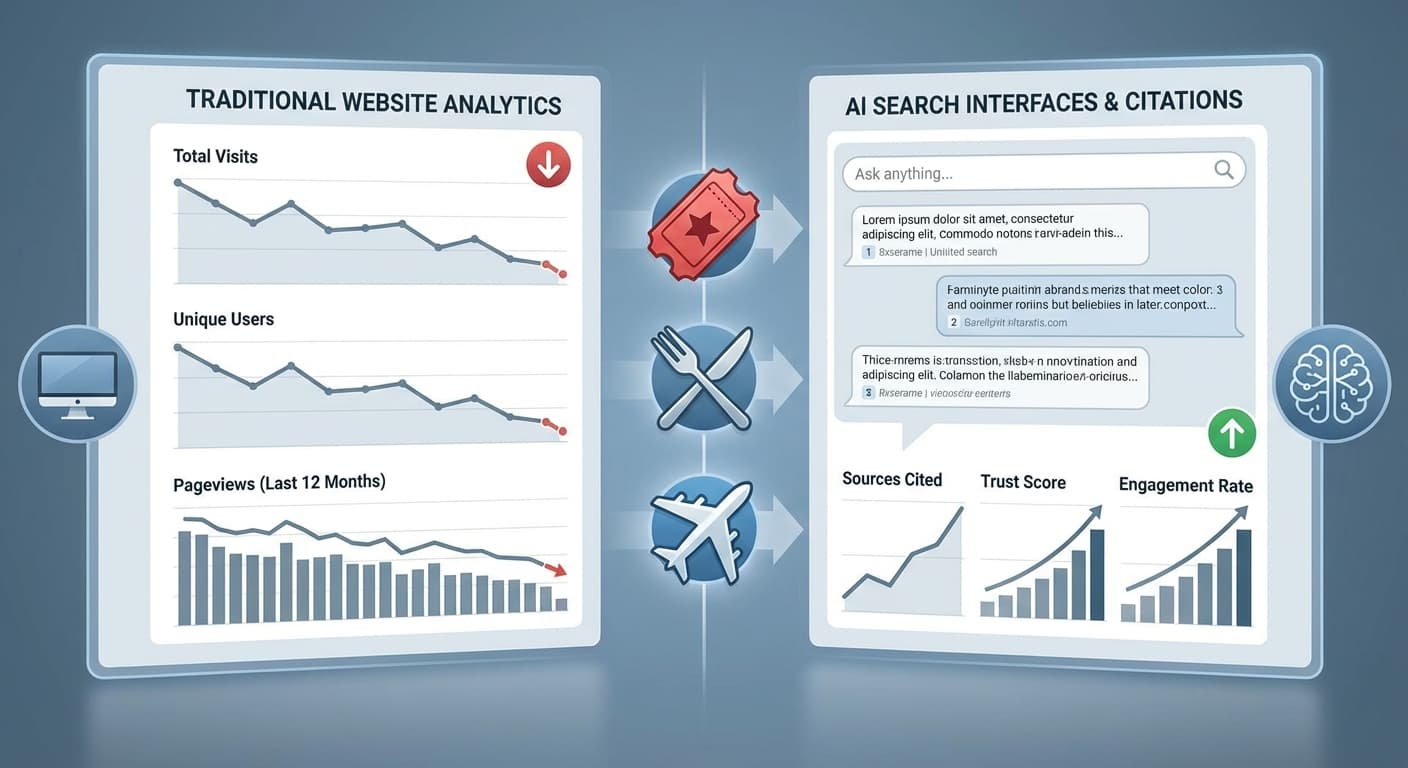
Here's a startling reality: 79% of B2B buyers now use AI assistants like ChatGPT, Perplexity, and Claude to research products and services. Yet most product walkthrough videos remain invisible to these AI engines because they're excluded from large language model (LLM) training data. This creates a massive opportunity gap for B2B companies whose best sales assets—product demos—are essentially invisible to their prospects' primary research tool.
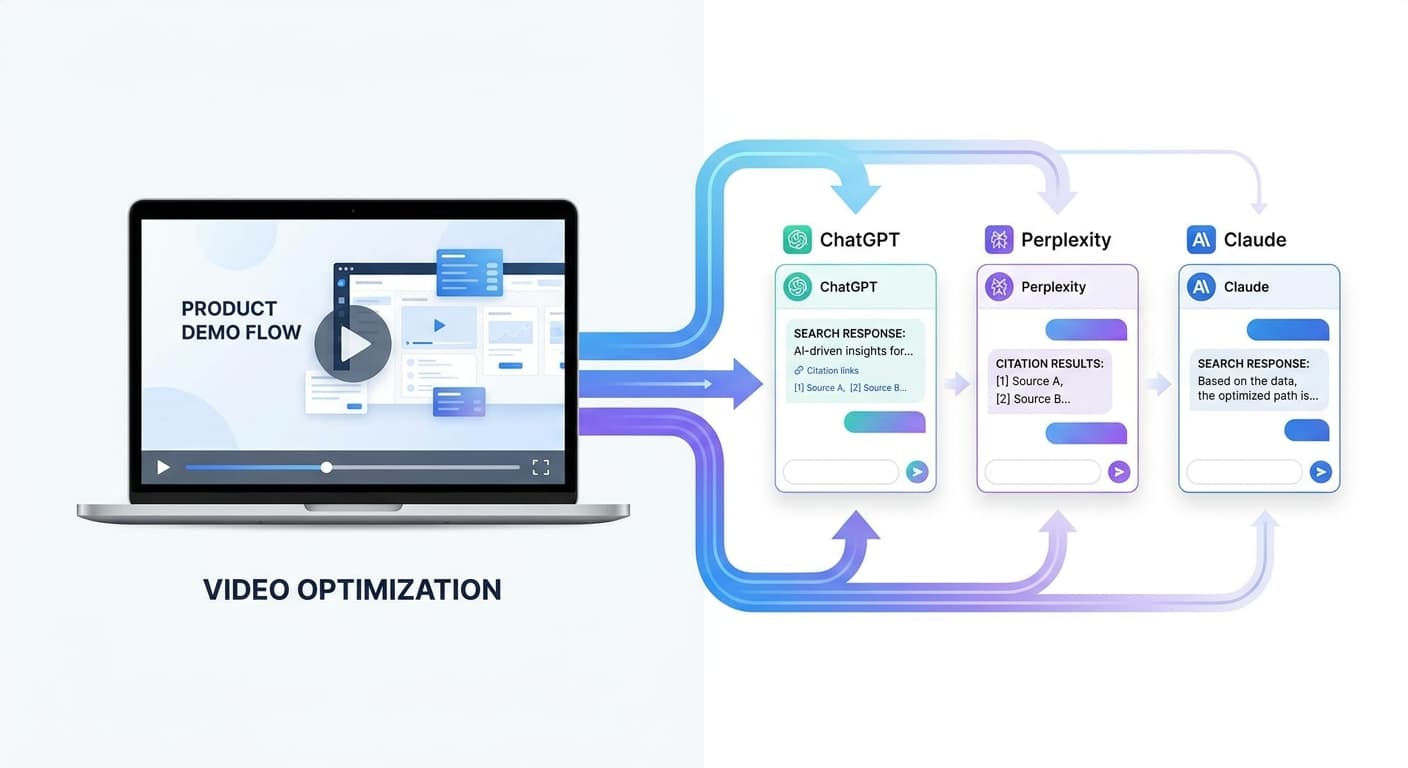
If you're investing thousands in creating polished product videos but they're not surfacing in AI search results, you're missing 4 out of 5 potential buyers during their research phase. The solution isn't to abandon video content—it's to build a comprehensive AI search citation strategy that makes your video demonstrations discoverable and quotable by AI engines.
Why Video Demos Don't Appear in AI Search Results
AI language models face several limitations when it comes to video content:
Limited Video Training Data
Most LLMs are trained primarily on text-based content. While they can access some video transcripts, the vast majority of product demo videos lack the structured, searchable text that AI engines need to understand and cite content.
Lack of Contextual Metadata
AI assistants struggle to extract meaningful insights from videos without proper context. A 15-minute product walkthrough might demonstrate incredible functionality, but without accompanying text that explains the "why" and "how," AI engines can't provide meaningful citations.
Transcription Quality Issues
Many platforms auto-generate transcripts that miss technical terminology, product names, and nuanced explanations crucial for B2B decision-makers. Poor transcription quality means AI engines either ignore the content or provide inaccurate information.
The B2B AI Research Landscape in 2026
The shift toward AI-powered B2B research has accelerated dramatically:
This means your prospects are asking questions like:
If your product demos aren't optimized for AI search, competitors with better citation strategies are capturing these high-intent prospects.
Building Your AI Search Video Demo Strategy
1. Create AI-Optimized Video Transcripts
Start by developing comprehensive, AI-friendly transcripts that go beyond basic speech-to-text:
Enhanced Transcript Elements:
Example Enhancement:
Instead of: "So here you can see the dashboard..."
Write: "The customizable analytics dashboard displays real-time conversion rates, lead attribution data, and ROI metrics that help marketing teams optimize campaign performance within 24 hours."
2. Develop Companion Blog Content
For each product demo video, create detailed blog posts that AI engines can easily parse and cite:
Essential Blog Elements:
3. Structure Content for AI Citation
AI engines prefer content that's easy to extract and quote. Structure your video-supporting content using:
Clear Information Hierarchies:
Quotable Statements:
Include standalone sentences that AI engines can easily cite, such as:
4. Optimize Video Metadata and Descriptions
While AI engines may not watch your videos, they do crawl associated metadata:
YouTube Optimization:
Website Integration:
5. Create Multi-Format Content Libraries
Transform your video demos into multiple AI-searchable formats:
Content Derivatives:
Citescope Ai's multi-format export feature makes this process seamless, allowing you to optimize content once and deploy it across WordPress, HTML, and Markdown formats that AI engines prefer.
Advanced AI Citation Strategies
Semantic Clustering
Group related video content around topic clusters that AI engines can easily understand:
Question-Answer Optimization
Anticipate the questions prospects ask AI assistants and structure your content to provide direct answers:
Common B2B AI Queries:
Authority Building
Establish your content as a trusted source for AI citations by:
Measuring AI Citation Success
Track the performance of your AI-optimized video strategy through:
Direct Metrics:
Indirect Indicators:
How Citescope Ai Helps
Citescope Ai's GEO Score analyzes your video-supporting content across five critical dimensions—AI Interpretability, Semantic Richness, Conversational Relevance, Structure, and Authority—giving you a clear 0-100 score for optimization potential. The platform's AI Rewriter can transform basic video transcripts into AI-optimized content that's more likely to be cited by ChatGPT, Perplexity, Claude, and Gemini.
The Citation Tracker feature lets you monitor when your optimized content gets referenced by AI engines, helping you understand which video topics and formats generate the most citations. This data helps you prioritize future video production and content optimization efforts.
Implementation Timeline
Week 1-2: Content Audit
Week 3-4: Content Enhancement
Week 5-6: Multi-Format Deployment
Week 7+: Iterate and Optimize
The Future of AI-Optimized Video Marketing
As AI search continues to dominate B2B research, companies that successfully bridge the gap between video demonstrations and AI citations will gain significant competitive advantages. The key is creating a comprehensive content ecosystem where videos, transcripts, blog posts, and metadata work together to ensure your product capabilities are discoverable and quotable by AI engines.
B2B buyers will continue relying on AI assistants for research, but they'll still need to see your product in action. By making your video demos AI-searchable through strategic content optimization, you ensure prospects can find you through their preferred research method and convert through your most persuasive sales asset.
Ready to Optimize for AI Search?
Don't let 79% of B2B buyers research your competitors while your best product demos remain invisible to AI engines. Citescope Ai helps you transform video content into AI-citation magnets with our GEO Score analysis, AI Rewriter, and Citation Tracker. Start with our free tier and optimize 3 pieces of content this month—see how your video demos can dominate AI search results and drive more qualified leads to your sales team.