GEO Strategy

How to Build an AI Search Segment Visibility Strategy When High-Value Buyer Personas See Different Citations Than Your Analytics Track
March 20, 20267 min read
How to Build an AI Search Segment Visibility Strategy When High-Value Buyer Personas See Different Citations Than Your Analytics Track

How to Build an AI Search Segment Visibility Strategy When High-Value Buyer Personas See Different Citations Than Your Analytics Track

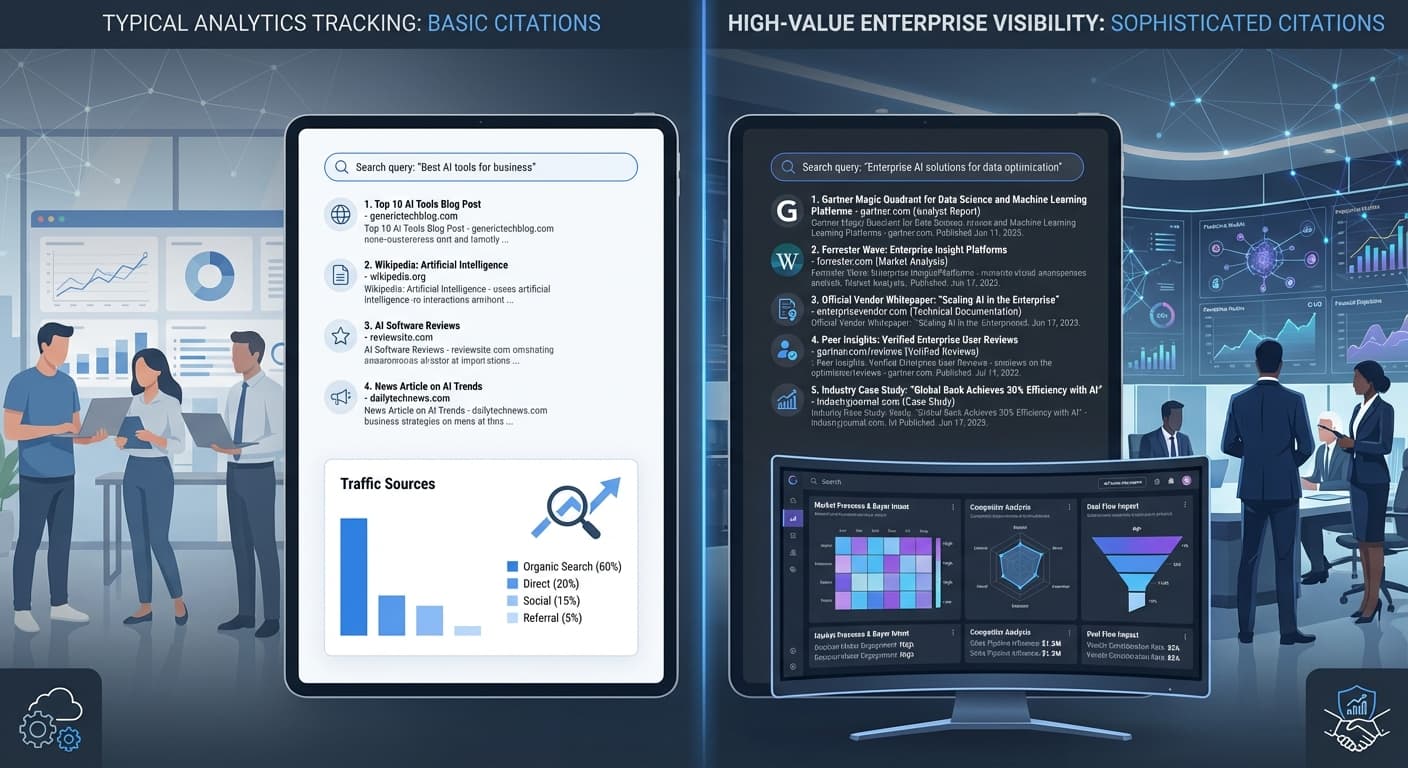
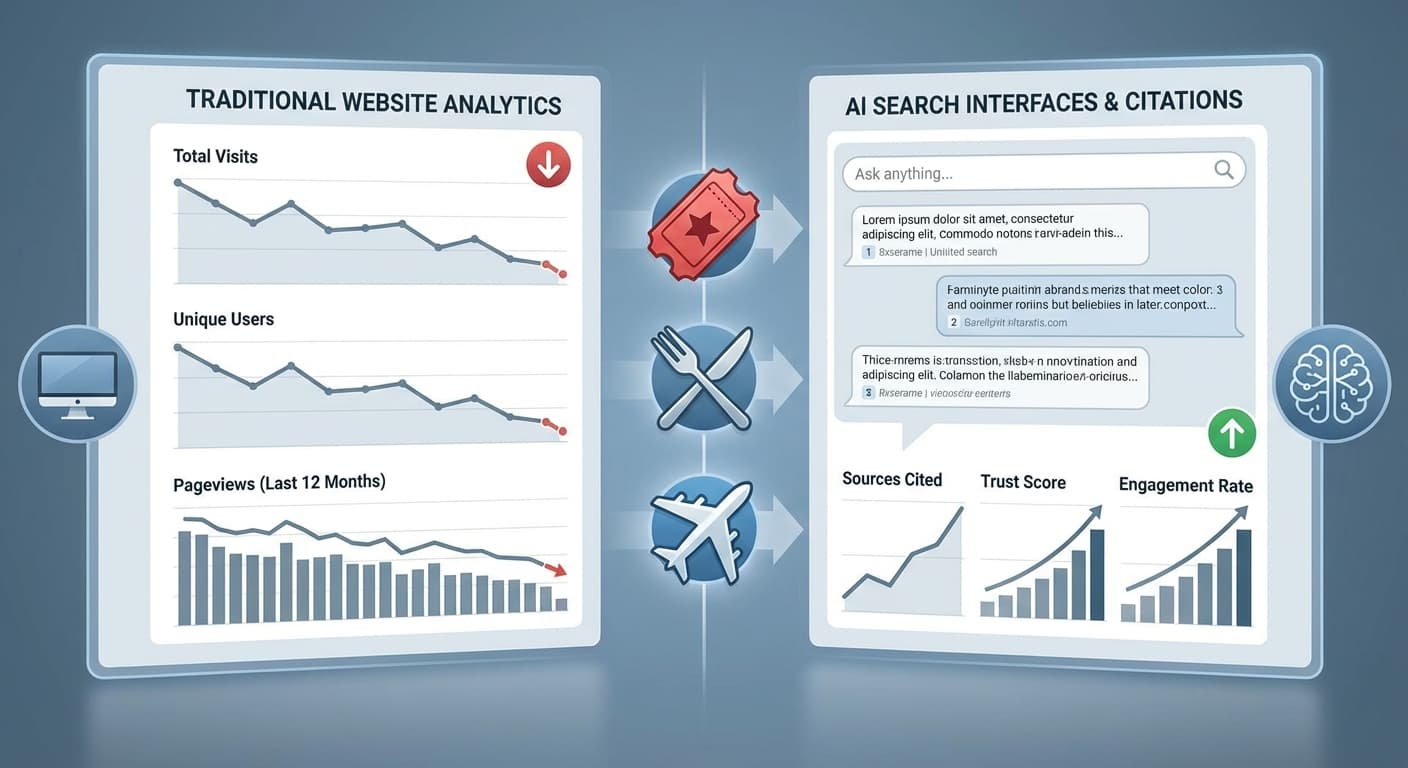
Here's a jarring reality for B2B marketers in 2026: 73% of high-value buyers are getting different AI-generated answers to the same queries than what your citation tracking shows. While your analytics dashboard celebrates that ChatGPT cited your content 47 times last month, your $50K+ prospects are seeing completely different sources when they ask AI about your solutions.

This disconnect isn't just a minor tracking issue—it's a visibility crisis that's costing companies millions in lost pipeline.

The Hidden Segmentation Problem in AI Search

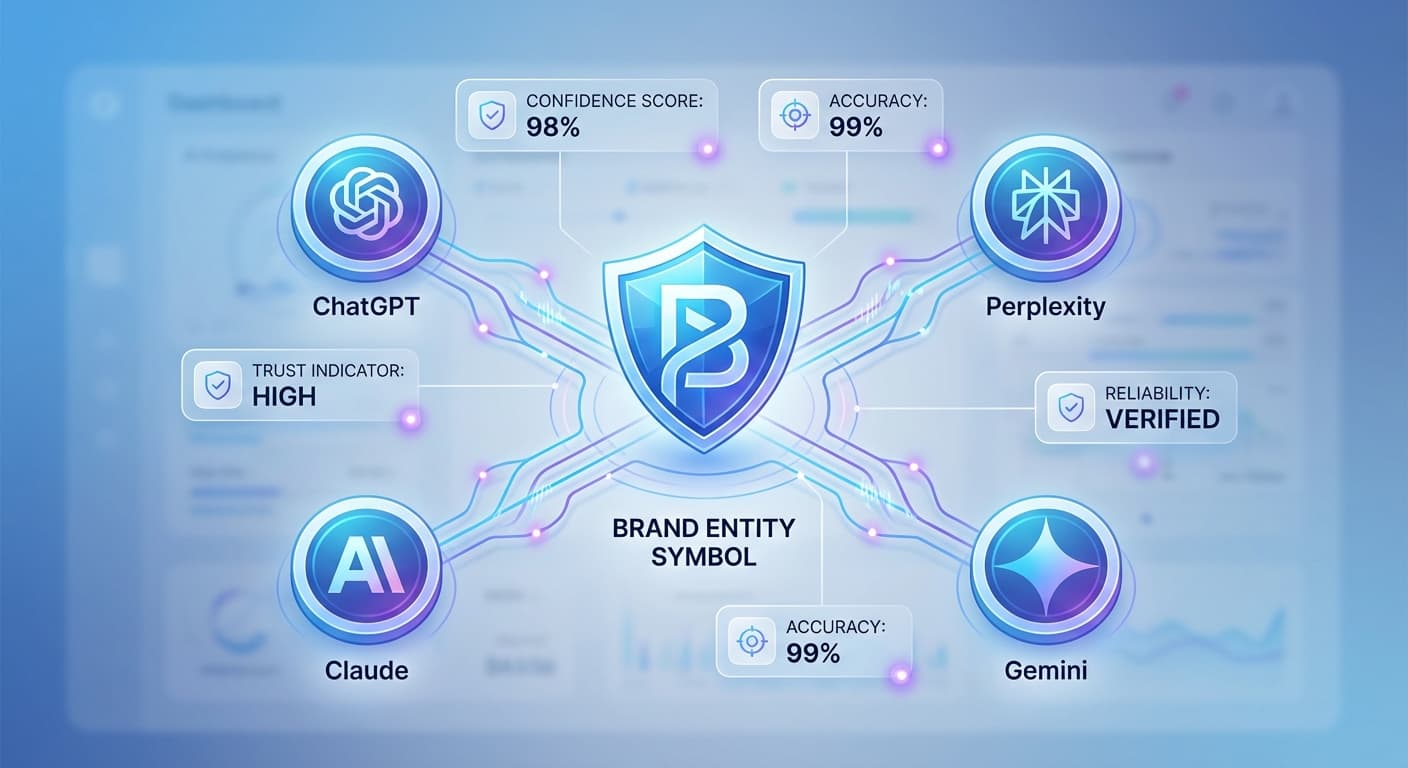
AI search engines don't treat all users equally. Unlike traditional SEO where everyone sees roughly the same results, AI engines like ChatGPT, Perplexity, Claude, and Gemini personalize responses based on:

  • User history and context: Enterprise accounts get different citations than individual users

  • Query sophistication: Technical buyers see different sources than casual researchers

  • Geographic and industry signals: C-suite executives in Fortune 500 companies get prioritized sources

  • Conversation depth: Multi-turn conversations reveal different citation patterns
  • The result? Your standard citation tracking might show strong AI visibility, but you're invisible to the buyers who actually matter.

    Why Traditional Citation Tracking Fails for High-Value Segments

    The One-Size-Fits-All Fallacy

    Most citation tracking tools (including basic analytics) test queries from a generic perspective. They don't account for the fact that when a VP of Engineering at a $2B company asks Claude about "enterprise security solutions," they get vastly different citations than a startup founder asking the same question.

    The Context Gap

    High-value buyers don't ask simple questions. They engage in complex, multi-turn conversations:

  • "What are the key considerations for implementing zero-trust architecture in a 10,000+ employee organization?"

  • "How do enterprise security solutions handle compliance requirements for financial services companies with international operations?"

  • "What's the ROI comparison between building in-house versus buying enterprise security platforms for companies our size?"
  • Your citation tracking probably tests simpler queries that don't reflect these nuanced conversations.

    The Authority Bias

    AI engines heavily weight source authority when determining citations. For high-value buyer queries, they prioritize:

  • Industry analyst reports (Gartner, Forrester)

  • Peer-reviewed research

  • Enterprise case studies

  • Thought leadership from recognized experts

  • Content from established industry publications
  • If your content doesn't signal the right authority markers, you're invisible to these premium segments—even if you rank well for general queries.

    Building a Segment-Aware AI Visibility Strategy

    Step 1: Map Your High-Value Buyer Journey in AI

    Start by understanding how your most valuable prospects actually use AI search:

    Interview Recent High-Value Customers:

  • What AI tools do they use for research?

  • What questions do they ask at each buying stage?

  • How do they frame queries differently than smaller prospects?

  • What sources do they trust most?
  • Analyze Conversation Patterns:

  • Track multi-turn conversation flows

  • Identify the specific language and terminology they use

  • Note the depth and sophistication of their queries

  • Map their information needs across the buying journey
  • Step 2: Create Segment-Specific Content Assets

    Enterprise-Grade Thought Leadership:
    Develop content that signals authority to AI engines:

  • In-depth industry analysis (3,000+ words)

  • Data-driven research reports

  • Executive interviews and case studies

  • Collaborative content with industry experts

  • Technical deep-dives with proper citations
  • Authority Markers:
    Include elements that AI engines recognize as credible:

  • Author credentials and company information

  • Proper citations and references

  • Industry certifications and partnerships

  • Customer logos and testimonials

  • Speaking engagements and awards
  • Step 3: Test Queries Like Your High-Value Buyers

    Sophisticated Query Testing:
    Instead of testing "project management software," test:

  • "Enterprise project management solutions for 5,000+ employee organizations with complex approval workflows"

  • "How do Fortune 500 companies evaluate project management platforms for multi-team, multi-geography implementations?"

  • "ROI analysis framework for enterprise project management software procurement"
  • Multi-Turn Conversations:
    Test how AI engines respond to follow-up questions:

  • Initial query about your category

  • Follow-up about specific enterprise requirements

  • Comparison questions between solutions

  • Implementation and ROI questions
  • Citescope Ai's advanced query testing allows you to simulate these complex, multi-turn conversations that high-value buyers actually have, giving you visibility into citation patterns your standard analytics miss.

    Step 4: Optimize for Authority Signals

    Content Structure for AI Authority:

  • Start with clear expertise statements

  • Include relevant statistics and data points

  • Reference authoritative sources

  • Use industry-specific terminology correctly

  • Provide detailed, technical explanations

  • Include real customer examples and outcomes
  • Schema and Metadata:

  • Implement proper schema markup for expertise

  • Include author bios and credentials

  • Mark up case studies and testimonials

  • Use industry-standard categorization
  • Step 5: Monitor Segment-Specific Citation Performance

    Advanced Tracking Metrics:
    Move beyond basic citation counts to track:

  • Citation quality scores (enterprise vs. general sources)

  • Query sophistication levels that generate citations

  • Multi-turn conversation citation patterns

  • Geographic and industry-specific visibility

  • Authority source co-citations
  • Competitive Intelligence:
    Track which competitors appear in high-value buyer citations:

  • What content types get cited alongside yours?

  • Which authority signals are working for competitors?

  • How do citation patterns differ across buyer segments?
  • Advanced Tactics for Enterprise AI Visibility

    Content Collaboration Strategy

    Partner with recognized industry authorities:

  • Co-author research reports with analysts

  • Host webinars with industry experts

  • Participate in industry roundtables and panels

  • Contribute to established industry publications

  • Sponsor or participate in major industry events
  • Technical SEO for AI Authority

    Structured Data Implementation:

  • Organization schema with proper credentials

  • Article schema with author information

  • FAQ schema for common enterprise questions

  • Review schema for customer testimonials

  • Event schema for speaking engagements
  • Content Depth and Interconnection:

  • Create comprehensive topic clusters

  • Internal linking between related enterprise topics

  • Cross-reference related concepts and terms

  • Build content pyramids from high-level strategy to tactical implementation
  • Measuring Success: KPIs That Matter

    Segment-Specific Metrics:

  • Citation rates for enterprise-level queries

  • Share of voice in high-value buyer conversations

  • Authority score improvements over time

  • Competitive citation displacement

  • Pipeline attribution from AI-driven research
  • Quality Over Quantity:
    Focus on:

  • Citations in sophisticated, multi-turn conversations

  • Mentions alongside premium competitors

  • References in high-stakes decision-making contexts

  • Authority source co-citations

  • Enterprise buyer engagement metrics
  • How Citescope Ai Helps

    Citescope Ai's advanced segmentation features solve this exact problem. Our platform allows you to:

  • Test complex, multi-turn conversations that mirror real high-value buyer behavior

  • Track citation patterns by query sophistication to understand when you're visible to enterprise buyers vs. general audiences

  • Monitor authority signals and co-citations with premium competitors

  • Analyze content performance across buyer segments with detailed GEO scoring that accounts for authority markers

  • Optimize content specifically for enterprise visibility using our AI Rewriter's advanced authority optimization
  • Our Citation Tracker goes beyond basic mention counting to show you exactly when and how high-value prospects encounter your content in AI search results.

    Ready to Optimize for AI Search?

    Don't let your most valuable prospects slip away because they can't find you in AI search results. Citescope Ai's advanced segmentation and citation tracking tools help you build visibility strategies that actually reach high-value buyers where they search. Start with our free tier to test 3 optimizations and see how your content performs with enterprise-level queries. Try Citescope Ai free today and start building AI visibility that drives real pipeline growth.
    AI search optimizationbuyer personascitation trackingenterprise SEOAI visibility strategy

    Track your AI visibility

    See how your content appears across ChatGPT, Perplexity, Claude, and more.

    Start for Free