GEO Strategy

How to Build an AI Search Seasonal Algorithm Shift Strategy: Mastering 45% Citation Volatility During Peak Travel Season

June 1, 20267 min read
How to Build an AI Search Seasonal Algorithm Shift Strategy: Mastering 45% Citation Volatility During Peak Travel Season

How to Build an AI Search Seasonal Algorithm Shift Strategy: Mastering 45% Citation Volatility During Peak Travel Season

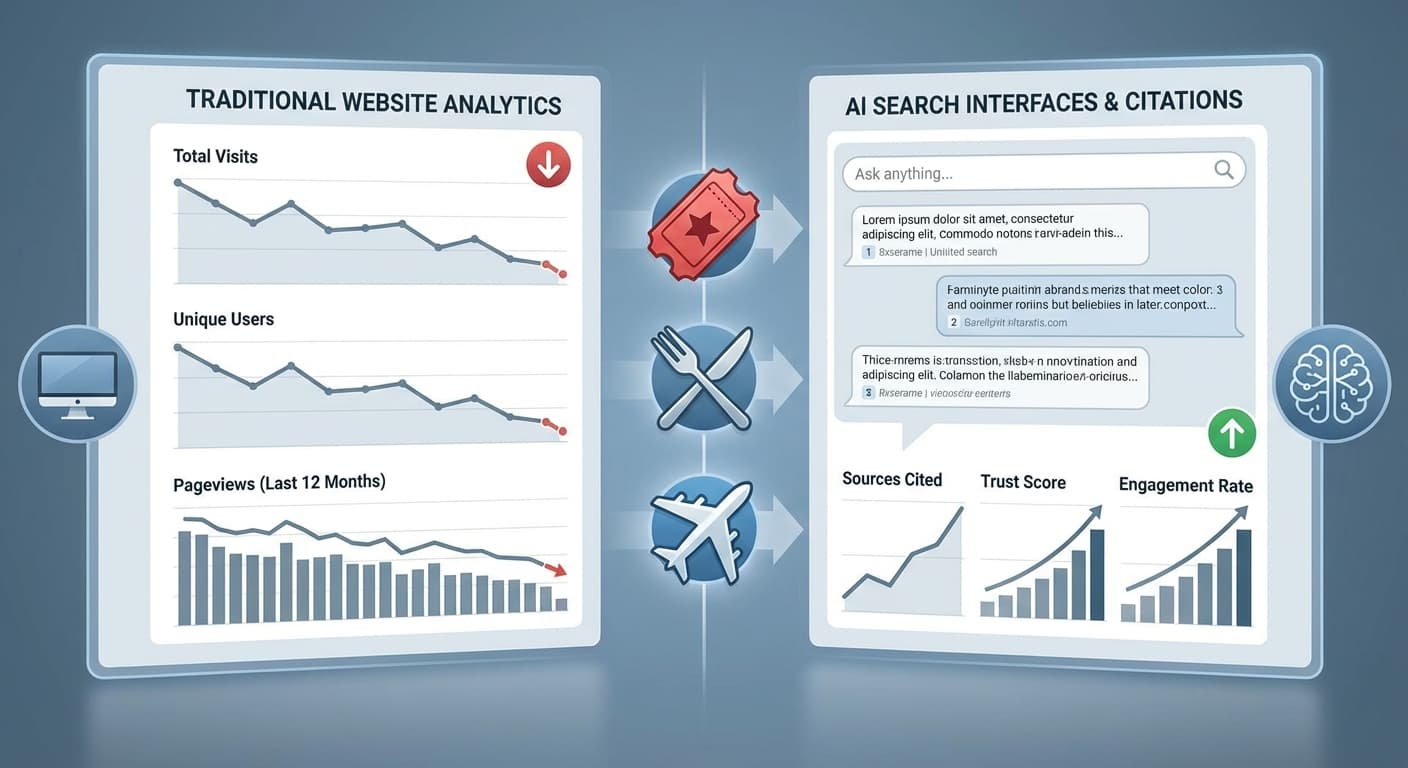
When June rolls around and summer travel searches surge by 340% across AI platforms, something dramatic happens to citation patterns that most brands completely miss. Recent analysis of AI search behavior shows that seasonal shifts in user query patterns trigger up to 45% citation volatility across Google AI Overviews and Perplexity during peak travel months—and traditional monitoring systems are blind to these real-time preference changes.

With AI search now commanding 35% of all search queries in 2025 and over 600 million weekly active users on ChatGPT alone, understanding seasonal algorithm shifts isn't just nice-to-have—it's survival-critical for maintaining visibility when your audience's search behavior fundamentally changes.

The Hidden Impact of Seasonal AI Search Volatility

Traditional SEO taught us about seasonal keyword fluctuations, but AI search operates on an entirely different level. When summer travel patterns emerge, AI engines don't just see different keywords—they interpret completely different user intents, content preferences, and trust signals.

Here's what happens during peak seasonal shifts:

  • Query complexity increases 3x: Users ask multi-part questions about travel + budget + timing + safety

  • Source preference shifts: AI engines prioritize real-time, experience-based content over evergreen resources

  • Citation patterns fragment: Instead of citing comprehensive guides, AI tools favor specific, timely answers from diverse sources

  • Authority weights fluctuate: Travel influencers temporarily outrank established brands in citation frequency
  • Why Traditional Monitoring Fails

    Most brand monitoring systems track static metrics like keyword rankings and backlinks. But AI search citation tracking requires understanding:

  • Contextual relevance scoring: How AI engines weight your content against seasonal intent

  • Source freshness algorithms: Why a 3-month-old travel guide loses citations to a 3-day-old Instagram post

  • Multi-modal preference shifts: How image and video content suddenly dominates text-based citations during visual planning seasons

  • Cross-platform citation migration: When users move from ChatGPT to Perplexity for specific seasonal queries
  • Building Your Seasonal AI Algorithm Strategy

    Phase 1: Pre-Season Intelligence Gathering

    Start your seasonal strategy 60-90 days before peak periods:

    Map Historical Citation Patterns

  • Analyze last year's citation data across all AI platforms during your key seasons

  • Identify which content formats gained/lost prominence

  • Track citation source diversity changes

  • Document query complexity evolution
  • Content Audit for Seasonal Relevance

  • Review existing content through a seasonal lens

  • Identify gaps where competitors gained citations

  • Assess content freshness and update schedules

  • Map content to specific seasonal user journeys
  • Phase 2: Real-Time Optimization Framework

    Create dynamic content strategies that adapt to seasonal shifts:

    Implement Agile Content Calendars

  • Plan 60% evergreen, 40% seasonal-specific content

  • Create modular content blocks that can be quickly recombined

  • Develop rapid-response content templates for trending topics

  • Schedule regular content refreshes during peak seasons
  • Optimize for Seasonal Search Behaviors

    During travel season, AI users exhibit specific search patterns:

  • Planning Phase (April-May): Long-form, comprehensive queries

  • Booking Phase (June-July): Specific, action-oriented questions

  • Experience Phase (July-August): Real-time, location-based queries

  • Reflection Phase (September): Review and recommendation requests
  • Tailor your content depth, format, and optimization strategy to match these phases.

    Phase 3: Dynamic Source Authority Building

    Seasonal algorithm shifts often reward different types of authority:

    Diversify Authority Signals

  • Build relationships with seasonal influencers and experts

  • Create partnerships with complementary seasonal brands

  • Develop user-generated content programs for peak seasons

  • Establish thought leadership in seasonal trending topics
  • Leverage Multi-Platform Presence

  • Optimize for platform-specific seasonal preferences

  • Create cross-platform content synergies

  • Build seasonal community engagement

  • Develop rapid response capabilities for trending topics
  • Advanced Tactics for Citation Stability

    Semantic Clustering for Seasonal Queries

    AI engines use semantic understanding to connect related seasonal concepts. Build content clusters around:

  • Primary seasonal topics ("summer travel")

  • Supporting concepts ("travel insurance," "packing tips")

  • Emerging trends ("sustainable travel," "digital nomad destinations")

  • Local variations ("European summer travel," "Asia travel tips")
  • Real-Time Content Optimization

    During peak volatility periods, implement:

    Daily Citation Monitoring

  • Track citation frequency changes across all AI platforms

  • Monitor competitor citation gains/losses

  • Identify emerging query patterns in real-time

  • Adjust content strategy based on daily insights
  • Rapid Content Updates

  • Update statistics and data points weekly during peak seasons

  • Add fresh examples and case studies regularly

  • Incorporate trending topics and current events

  • Refresh meta-information and structured data
  • The most successful brands during seasonal volatility use sophisticated citation tracking tools that can detect these subtle but crucial changes in real-time. Without proper monitoring, you're essentially flying blind during your most important revenue periods.

    Technical Implementation Strategy

    Setting Up Seasonal Monitoring Systems

    Multi-Platform Citation Tracking

  • Monitor ChatGPT, Perplexity, Claude, and Gemini simultaneously

  • Track citation frequency and context changes

  • Set up automated alerts for significant shifts

  • Create dashboards for real-time visibility
  • Seasonal Performance Metrics

  • Citation share during peak vs. off-peak periods

  • Content format performance variations

  • Query complexity correlation with citation rates

  • Cross-platform citation consistency
  • Content Optimization Workflows

    Automated Seasonal Triggers

  • Set up content refresh schedules based on historical patterns

  • Create automated alerts for citation threshold drops

  • Implement rapid-response content creation workflows

  • Develop seasonal A/B testing protocols
  • Quality Assurance Protocols

  • Regular content accuracy reviews during volatile periods

  • Fact-checking and data verification workflows

  • User experience testing for seasonal content

  • Performance monitoring and optimization cycles
  • Measuring Success During Volatile Periods

    Key Performance Indicators

    Track these metrics during seasonal algorithm shifts:

  • Citation Stability Score: Consistency of citations across platforms during volatile periods

  • Seasonal Share Growth: Citation share gains during peak seasons vs. competitors

  • Cross-Platform Consistency: Citation correlation across different AI engines

  • Query Coverage: Percentage of seasonal queries where your content gets cited
  • Long-Term Strategy Validation

    Year-over-Year Comparison

  • Compare seasonal performance across multiple years

  • Track improvement in volatility management

  • Measure overall citation growth during peak periods

  • Assess competitive position changes
  • ROI Analysis

  • Calculate revenue impact of maintained citations during volatility

  • Measure cost-effectiveness of seasonal optimization efforts

  • Track customer acquisition from AI search citations

  • Assess brand awareness lift from consistent AI visibility
  • How Citescope Ai Helps Navigate Seasonal Volatility

    While building seasonal strategies manually is complex, Citescope Ai's Citation Tracker provides real-time monitoring across ChatGPT, Perplexity, Claude, and Gemini, helping you detect those critical source preference changes as they happen. The platform's GEO Score analyzes your content across five dimensions specifically relevant to seasonal optimization, while the AI Rewriter can quickly adapt your content for changing seasonal contexts.

    The multi-format export feature becomes particularly valuable during rapid seasonal pivots, allowing you to quickly deploy optimized content across different platforms and formats as user preferences shift.

    Ready to Optimize for AI Search?

    Seasonal algorithm volatility doesn't have to devastate your AI search visibility. With proper monitoring, strategic content planning, and rapid optimization capabilities, you can maintain and even grow your citation share during the most challenging periods. Citescope Ai provides the tools you need to track, analyze, and optimize your content for consistent AI search performance year-round. Start your free trial today and discover how real-time citation monitoring can transform your seasonal strategy.

    AI search optimizationseasonal SEOcitation trackingAI algorithm changescontent strategy

    Track your AI visibility

    See how your content appears across ChatGPT, Perplexity, Claude, and more.

    Start for Free