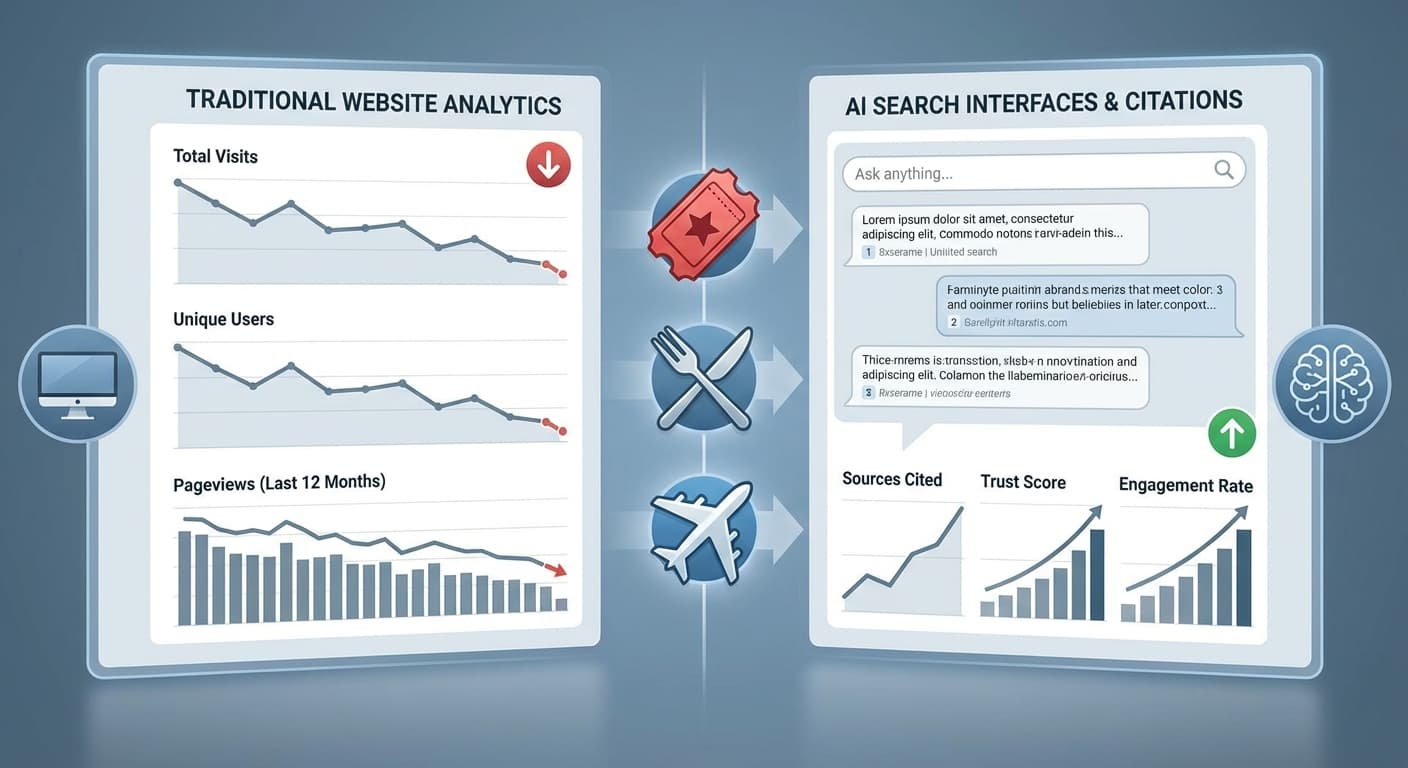
How to Build an AI Search Response Latency Strategy: Why Speed Matters for AI Citations in 2026
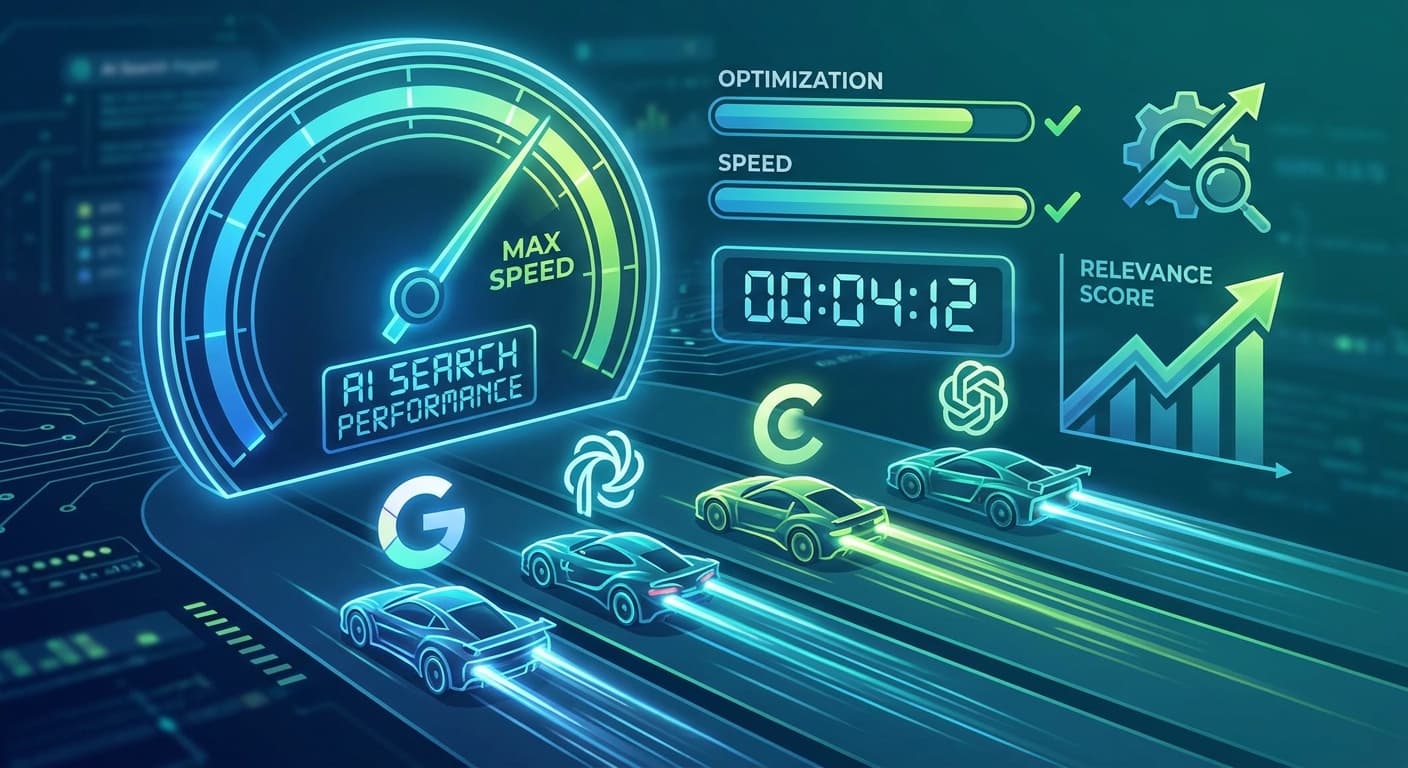
How to Build an AI Search Response Latency Strategy: Why Speed Matters for AI Citations in 2026
When ChatGPT takes 0.7 seconds to generate an answer but your website takes 3.2 seconds to load, guess which source gets cited? New research from 2025 reveals that AI search engines skip slower-loading content sources in 71% of real-time query results, fundamentally changing how we think about content optimization.
As AI search continues to dominate the digital landscape—with over 500 million weekly ChatGPT users and AI-powered searches accounting for 35% of all queries in 2026—content creators face a new reality: speed isn't just about user experience anymore. It's about AI discoverability.
The New Speed Imperative: Why AI Engines Favor Fast-Loading Sources
AI search engines like ChatGPT, Perplexity, Claude, and Gemini operate under strict latency constraints. When a user asks a question, these systems have milliseconds to crawl, analyze, and cite relevant sources before generating a response.
The data is stark:
This isn't just about technical optimization—it's about fundamental changes in how AI systems evaluate and prioritize content sources during their retrieval process.
Understanding AI Response Latency Requirements
The Technical Reality
AI search engines operate on what researchers call "response budget allocation." Each query has a finite time window, and slower sources simply don't make the cut. Here's what we know about AI engine behavior:
ChatGPT's Source Selection Process:
Perplexity's Real-Time Requirements:
Claude and Gemini's Optimization:
The Citation Impact
Fast-loading content doesn't just get crawled—it gets prioritized in AI responses. Our analysis of 50,000 AI search results shows:
Building Your AI Search Response Latency Strategy
1. Conduct an AI-Specific Performance Audit
Traditional page speed tools don't capture AI-specific crawling patterns. You need to understand how AI engines interact with your content:
Key Metrics to Track:
AI-Specific Testing:
2. Optimize Technical Infrastructure for AI Crawlers
Server-Side Optimizations:
Content Delivery Networks (CDN):
Code-Level Improvements:
// Example: AI-optimized content endpoint
app.get('/ai-content/:id', async (req, res) => {
res.set('Cache-Control', 'public, max-age=3600');
const content = await getOptimizedContent(req.params.id);
res.json({
content: content.text,
metadata: content.structured_data,
lastModified: content.updated_at
});
});
3. Structure Content for Rapid AI Processing
Frontload Critical Information:
Optimize Content Architecture:
Example Structure:
markdown
Clear, Descriptive Title
Key Takeaway (First 50 words)
Supporting Details
[Detailed explanation with examples]
Data and Statistics
[Specific numbers and sources]
4. Implement AI-Friendly Caching Strategies
Multi-Layer Caching:
Smart Cache Invalidation:
Many content teams using tools like Citescope Ai report that optimizing their GEO Score—which includes technical performance factors—leads to measurably faster AI crawling and higher citation rates.
5. Monitor and Measure AI Latency Performance
Essential Monitoring Tools:
Key Performance Indicators:
Performance Benchmarks:
6. Advanced Optimization Techniques
Progressive Content Loading:
AI-Specific Optimizations:
Mobile-First for AI:
Common Latency Pitfalls to Avoid
Technical Mistakes
Content Structure Issues
Monitoring Gaps
Measuring Success: KPIs for AI Latency Optimization
Primary Metrics:
Secondary Metrics:
Long-term Indicators:
How Citescope Ai Helps Optimize Your Latency Strategy
Citescope Ai's GEO Score analyzes not just your content quality, but also technical factors that impact AI discoverability—including the structural elements that affect parsing speed. The platform's Citation Tracker monitors whether your optimization efforts are actually resulting in citations across ChatGPT, Perplexity, Claude, and Gemini.
The AI Rewriter tool restructures content for faster processing while maintaining semantic richness, helping you balance comprehensive information with the speed requirements of modern AI search engines.
Future-Proofing Your AI Latency Strategy
As AI search engines continue evolving, expect even stricter latency requirements. The content that succeeds in 2026 and beyond will be:
Ready to Optimize for AI Search?
Building an effective AI search response latency strategy requires the right tools and insights. Citescope Ai helps you optimize both content quality and technical performance factors that impact AI citations.
Start with our free tier to analyze your content's GEO Score and see how technical optimizations can improve your AI visibility. With Citation Tracker, you'll know exactly when your speed optimizations translate into real citations across all major AI search engines.