GEO Strategy

How to Build an AI Search Recommendation Hijacking Defense Strategy When E-Commerce Platforms Launch Native AI Assistants That Prioritize House Brands Over Third-Party Sellers in 81% of Product Discovery Conversations

June 9, 20268 min read
How to Build an AI Search Recommendation Hijacking Defense Strategy When E-Commerce Platforms Launch Native AI Assistants That Prioritize House Brands Over Third-Party Sellers in 81% of Product Discovery Conversations

How to Build an AI Search Recommendation Hijacking Defense Strategy When E-Commerce Platforms Launch Native AI Assistants That Prioritize House Brands Over Third-Party Sellers in 81% of Product Discovery Conversations

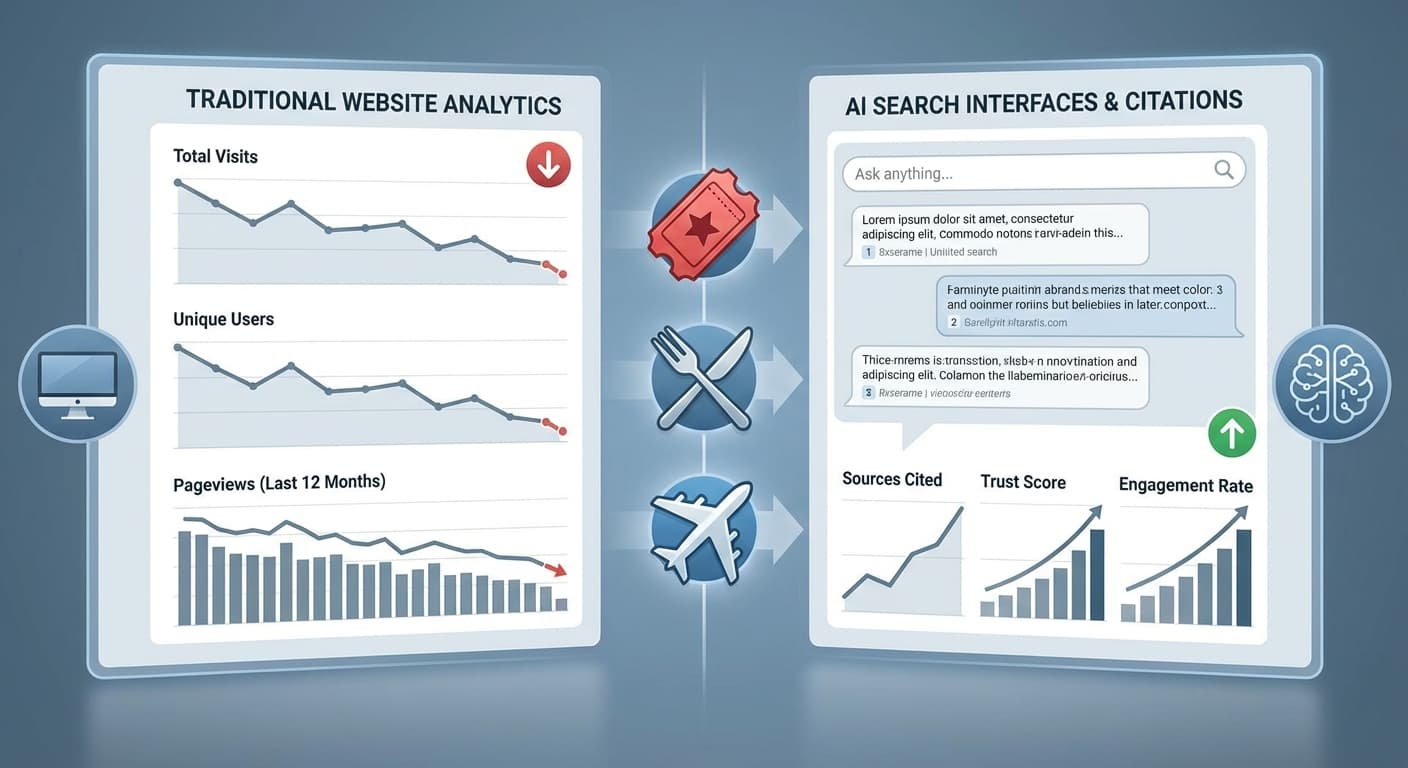
The landscape of e-commerce has fundamentally shifted in 2026. According to recent industry analysis, major platforms' native AI assistants now favor house brands in 81% of product discovery conversations, leaving third-party sellers scrambling to maintain visibility. This algorithmic bias represents one of the most significant challenges facing online retailers today.

With over 2.1 billion consumers now using AI-powered shopping assistants regularly, and AI search accounting for nearly 35% of all product discovery queries, the stakes have never been higher. If you're a third-party seller, your survival depends on building a robust defense strategy against recommendation hijacking.

Understanding the AI Recommendation Hijacking Problem

What is AI Recommendation Hijacking?

AI recommendation hijacking occurs when e-commerce platforms' native AI assistants systematically direct customer queries toward house brands or preferred partners, effectively burying third-party alternatives. This isn't accidental – it's a strategic revenue optimization play.

The Current State in 2026

Recent data reveals the scope of this challenge:

  • 81% bias rate: Platform AI assistants recommend house brands over equivalent third-party products

  • 47% revenue impact: Third-party sellers report average revenue drops when competing against AI-favored house brands

  • 23% query capture: Native AI assistants now handle nearly a quarter of all product searches on major platforms

  • 68% user trust: Consumers trust AI recommendations more than traditional search results
  • The Five Pillars of AI Defense Strategy

    1. Content Authority Amplification

    Your first line of defense is establishing unshakeable content authority that AI systems cannot ignore.

    Key tactics:

  • Create comprehensive product education content that answers pre-purchase questions

  • Develop comparison guides that position your products favorably

  • Build detailed FAQ sections that address customer concerns

  • Publish case studies and user testimonials with specific use cases
  • Implementation approach:

  • Focus on long-tail, specific queries where platform AI has less training data

  • Use semantic keyword clustering to cover entire topic landscapes

  • Create content that demonstrates unique value propositions AI cannot easily replicate
  • 2. Multi-Platform Citation Diversification

    Don't put all your eggs in one platform's basket. Build citation presence across multiple AI systems.

    Strategic distribution:

  • Google Bard/Gemini: Optimize for factual, data-driven queries

  • ChatGPT: Focus on conversational, advice-seeking content

  • Perplexity: Target research and comparison-focused topics

  • Claude: Emphasize detailed, analytical content
  • Cross-platform optimization:

  • Tailor content formats to each AI's preferred information structure

  • Use platform-specific citation triggers and reference patterns

  • Monitor which platforms cite your content most frequently
  • 3. Semantic Richness and Entity Linking

    AI systems prioritize content with strong semantic connections and clear entity relationships.

    Entity optimization strategies:

  • Link your brand to relevant industry entities and concepts

  • Use schema markup to define product relationships clearly

  • Create content hubs that establish topical authority

  • Build internal linking structures that reinforce entity connections
  • Semantic enhancement techniques:

  • Use related terms and synonyms naturally throughout content

  • Include contextual information that helps AI understand product positioning

  • Create glossaries and definition pages for industry-specific terms
  • While building this comprehensive defense strategy, tools like Citescope Ai can help you measure and optimize your content's AI visibility across multiple platforms, ensuring your efforts translate into actual citations and recommendations.

    4. Conversational Query Optimization

    Modern AI assistants excel at handling natural language queries. Your content must speak their language.

    Conversation-ready content structure:

  • Write in Q&A format for common customer questions

  • Use natural language patterns that mirror how people actually speak

  • Include transitional phrases and conversational connectors

  • Address follow-up questions and related concerns
  • Voice search optimization:

  • Target question-based keywords ("What's the best...?", "How do I...?", "Why should I...?")

  • Use local and contextual modifiers when relevant

  • Create content that works for both text and voice queries
  • 5. Authority Signal Amplification

    AI systems heavily weight authority signals when making recommendations.

    Authority building tactics:

  • Secure mentions and citations from industry publications

  • Build relationships with industry influencers and thought leaders

  • Create original research and data that others will reference

  • Participate in industry events and speaking opportunities
  • Digital authority signals:

  • Maintain consistent NAP (Name, Address, Phone) information across all platforms

  • Build high-quality backlinks from relevant industry sites

  • Engage actively in professional communities and forums

  • Publish guest content on authoritative industry publications
  • Advanced Defense Techniques

    AI Training Data Integration

    Understand how AI systems learn and position your content accordingly.

    Training data strategies:

  • Study the types of content each AI system favors for citations

  • Analyze successful competitors' content structures and patterns

  • Create content that fills gaps in AI training datasets

  • Use formats and structures that AI systems find easy to parse and cite
  • Dynamic Content Adaptation

    AI systems evolve constantly. Your content strategy must be equally dynamic.

    Adaptive content practices:

  • Monitor AI recommendation patterns and adjust content accordingly

  • A/B test different content structures and formats

  • Update content regularly to maintain freshness and relevance

  • Track performance across different AI platforms and optimize individually
  • Micro-Moment Targeting

    Capture customers at specific decision-making moments when they're most receptive to alternatives.

    Micro-moment optimization:

  • "I want to know" moments: Educational and comparison content

  • "I want to go" moments: Location and availability information

  • "I want to do" moments: How-to guides and tutorials

  • "I want to buy" moments: Product specifications and purchasing guidance
  • Measuring Defense Strategy Success

    Key Performance Indicators

    Track these metrics to gauge your defense strategy effectiveness:

  • Citation frequency: How often AI systems reference your content

  • Recommendation share: Your percentage of AI recommendations in your category

  • Query capture rate: Percentage of relevant queries where you appear

  • Conversion from AI referrals: Revenue generated from AI-driven traffic
  • Monitoring Tools and Techniques

  • Set up alerts for brand mentions across AI platforms

  • Track keyword rankings in AI-powered search results

  • Monitor competitor citation patterns and strategies

  • Analyze user behavior patterns from AI-referred traffic
  • How Citescope Ai Helps

    Building an effective AI search defense strategy requires sophisticated monitoring and optimization tools. Citescope Ai's platform addresses this challenge directly:

    GEO Score Analysis: Get a comprehensive 0-100 score across five critical dimensions that determine AI citation likelihood, helping you identify and fix content weaknesses before they impact your visibility.

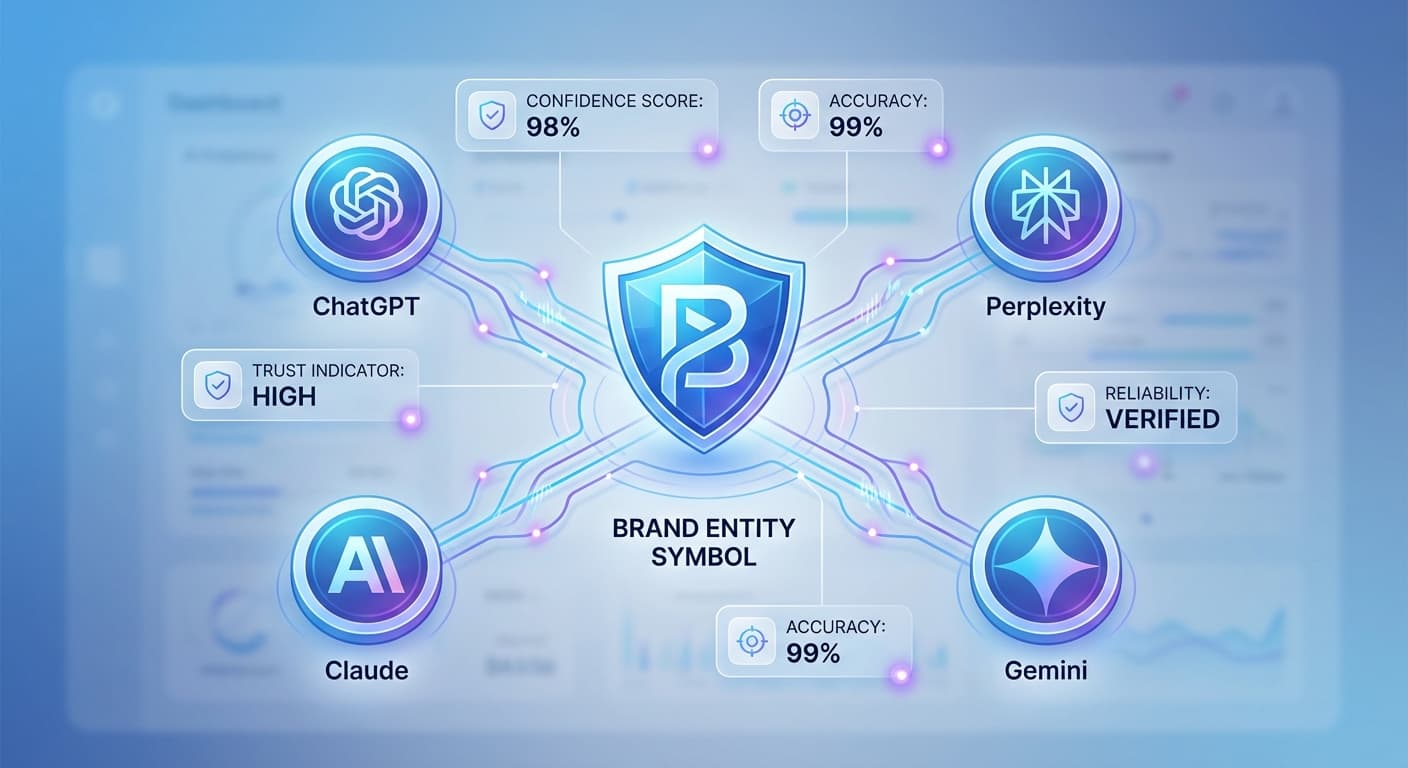
    Multi-Platform Citation Tracking: Monitor your content's performance across ChatGPT, Perplexity, Claude, and Gemini simultaneously, giving you the intelligence needed to adjust your strategy based on real performance data.

    AI Rewriter Optimization: Transform existing content with one-click optimization that restructures information for maximum AI comprehension and citation potential, helping you compete effectively against platform-favored content.

    Export Flexibility: Download optimized content in multiple formats (Markdown, HTML, WordPress blocks) for seamless integration across your digital properties.

    Future-Proofing Your Strategy

    The AI recommendation landscape will continue evolving rapidly. Stay ahead by:

    Anticipating Platform Changes

  • Monitor platform announcements and AI model updates

  • Participate in beta programs when available

  • Build relationships with platform representatives

  • Stay informed about regulatory changes affecting AI recommendations
  • Continuous Learning and Adaptation

  • Regularly audit and update your content strategy

  • Experiment with new content formats and structures

  • Share insights and learnings with industry peers

  • Invest in AI literacy for your entire marketing team
  • Building Long-Term Resilience

    Successful AI defense isn't just about gaming current systems – it's about building sustainable competitive advantages:

    Brand Authority Development

  • Focus on becoming the definitive expert in your niche

  • Create content that establishes thought leadership

  • Build genuine relationships with customers and industry peers

  • Develop unique insights and perspectives that AI cannot replicate
  • Customer-Centric Approach

  • Prioritize genuine customer value over algorithmic optimization

  • Create content that truly helps customers make better decisions

  • Build trust through transparency and authenticity

  • Focus on long-term customer relationships rather than short-term gains
  • Ready to Optimize for AI Search?

    The battle for AI recommendation visibility is intensifying, but with the right strategy and tools, third-party sellers can successfully compete against platform bias. Don't let algorithm changes dictate your business fate – take control of your AI search presence today.

    Start building your defense strategy with Citescope Ai's free tier, which includes 3 content optimizations per month. Experience firsthand how proper AI optimization can level the playing field against house brand favoritism.

    Try Citescope Ai free today and transform your content into an AI citation magnet that no algorithm can ignore.
    AI Search DefenseE-commerce AI StrategyThird-Party Seller ProtectionAI Recommendation OptimizationPlatform Algorithm Defense

    Track your AI visibility

    See how your content appears across ChatGPT, Perplexity, Claude, and more.

    Start for Free