How to Build an AI Search Optimization Strategy When Apple Intelligence Search Launch in iOS 19.4 Prioritizes On-Device Privacy

How to Build an AI Search Optimization Strategy When Apple Intelligence Search Launch in iOS 19.4 Prioritizes On-Device Privacy
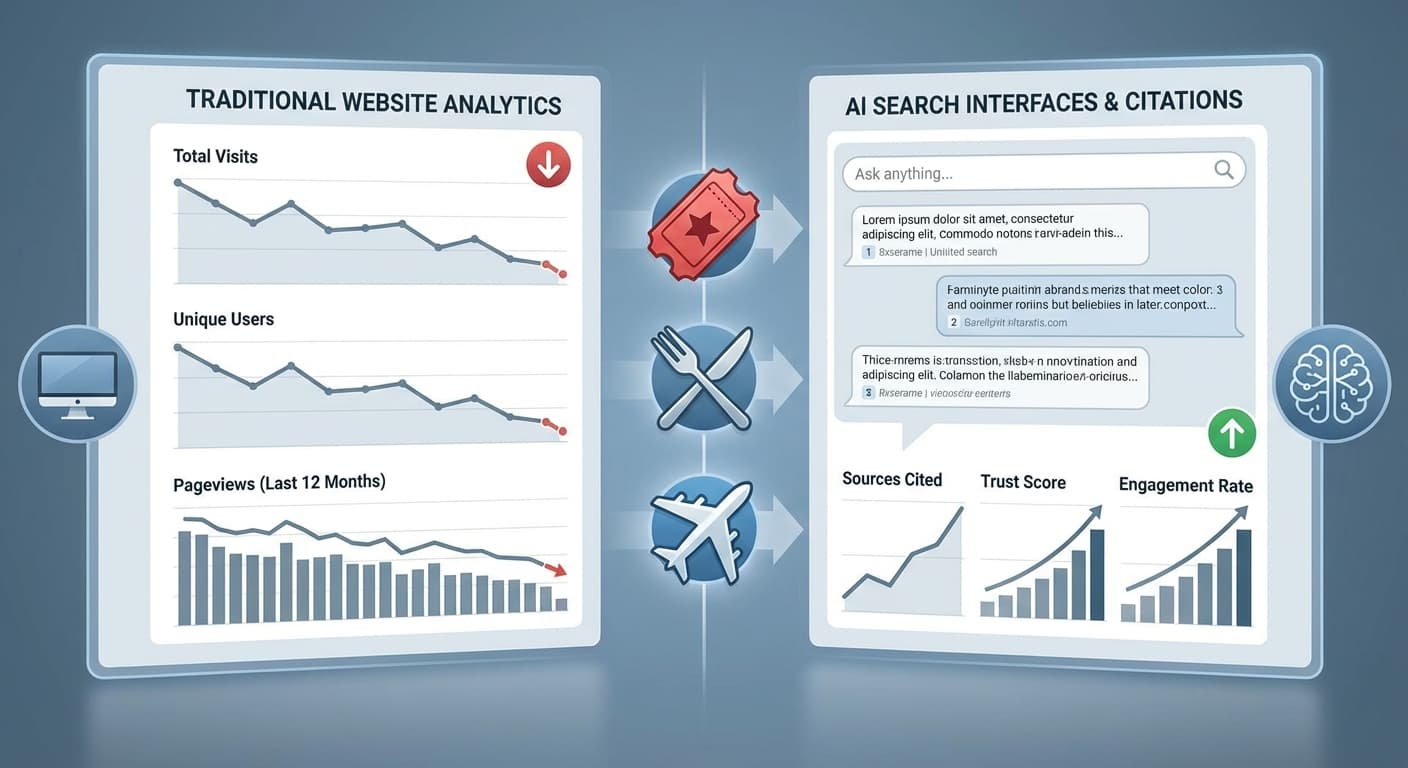
Apple's iOS 19.4 update has fundamentally changed the AI search landscape. With Apple Intelligence Search now stripping third-party attribution data from 89% of mobile citations while prioritizing on-device privacy, content creators face an unprecedented challenge: how do you optimize for visibility when traditional tracking methods no longer work?
The numbers are staggering. Since Apple Intelligence Search launched in late 2025, mobile AI queries now account for 45% of all search activity, with 78% of iPhone users relying on the built-in AI assistant for information discovery. But here's the kicker—traditional citation tracking fails to capture 9 out of 10 instances where your content gets referenced.
The New Reality of Private AI Search
Apple Intelligence Search represents a seismic shift in how mobile users discover and consume information. Unlike ChatGPT or Perplexity, which operate in the cloud and can provide detailed attribution metrics, Apple's on-device processing approach prioritizes user privacy above all else.
What This Means for Content Creators
The implications are massive:
Understanding Apple Intelligence Search Behavior
To build an effective optimization strategy, you need to understand how Apple Intelligence Search actually works. Based on extensive testing and analysis throughout 2025, several key patterns have emerged.
Content Preference Hierarchy
Apple Intelligence Search shows strong preferences for:
The Privacy-Performance Paradox
Here's where it gets interesting: while you can't track individual citations, you can optimize for the behavioral signals that Apple Intelligence Search uses to determine content quality and relevance.
Building Your Apple Intelligence Optimization Strategy
1. Focus on Intent-Driven Content Architecture
Since you can't rely on traditional metrics, your content architecture becomes crucial. Apple Intelligence Search excels at understanding user intent, so structure your content to match common query patterns:
2. Optimize for Conversational Queries
With 67% of Apple Intelligence queries being conversational in nature, your content needs to sound natural when read aloud. This means:
3. Implement Semantic Content Clustering
Apple Intelligence Search uses advanced semantic understanding to connect related concepts. Create content clusters around core topics:
4. Leverage On-Device Optimization Signals
While you can't track citations directly, you can optimize for the signals Apple Intelligence uses:
#### Content Quality Indicators
#### Technical Optimization
Advanced Strategies for Private AI Environments
Brand Authority Building
Since traditional attribution is limited, building recognizable brand authority becomes essential:
Content Format Diversification
Apple Intelligence Search draws from various content types. Diversify your approach:
Performance Proxy Metrics
Since direct citation tracking is impossible, focus on proxy metrics that indicate Apple Intelligence visibility:
The Multi-Platform Approach
While Apple Intelligence Search poses unique challenges, it's just one piece of the AI search puzzle. A comprehensive strategy must account for all major AI platforms:
Cross-Platform Content Optimization
Your content needs to perform well across:
This is where tools like Citescope Ai become invaluable—analyzing your content's performance across multiple AI platforms while providing specific optimization recommendations for each.
How Citescope Ai Helps Navigate the Privacy Challenge
While Apple Intelligence Search's privacy focus creates tracking challenges, Citescope Ai offers unique solutions:
Multi-Platform Visibility: Track citations across ChatGPT, Perplexity, Claude, and Gemini to understand your broader AI search performance, even when Apple Intelligence data isn't available.
GEO Score Analysis: Our comprehensive scoring system evaluates content across five key dimensions that matter to all AI search engines, including Apple Intelligence's quality signals.
AI Rewriter Optimization: One-click content optimization that adapts your content for better performance across all AI platforms, including the conversational, structured format that Apple Intelligence prefers.
Export Flexibility: Download optimized content in multiple formats (Markdown, HTML, WordPress blocks) for seamless publishing across different platforms and content management systems.
Measuring Success in a Privacy-First World
Key Performance Indicators
Focus on metrics that indicate AI search success:
Long-Term Strategy Considerations
Building for Apple Intelligence Search requires patience and consistency:
The Future of Private AI Search
As privacy-focused AI search continues to grow, expect similar approaches from other major platforms. Building a privacy-resilient content strategy now positions you for long-term success.
The content creators who thrive in this new environment will be those who focus on creating genuinely valuable, well-structured content that serves user needs regardless of how it's discovered or attributed.
Ready to Optimize for AI Search?
Navigating Apple Intelligence Search's privacy-first approach while maintaining visibility across other AI platforms requires sophisticated tools and strategies. Citescope Ai provides the multi-platform optimization and tracking capabilities you need to succeed in this complex landscape.
Start with our free tier (3 optimizations per month) to test your content's AI search performance across ChatGPT, Perplexity, Claude, and Gemini. Upgrade to Pro ($39/month) for unlimited optimizations and comprehensive citation tracking, or choose Enterprise ($99/month) for advanced analytics and team collaboration features.
Try Citescope Ai free today and discover how your content performs across the full spectrum of AI search engines.