How to Build an AI Search Demo Request Conversion Strategy When Product Explanation Answers Satisfy Curiosity But Eliminate 54% of Form Submissions From High-Intent B2B Buyers
How to Build an AI Search Demo Request Conversion Strategy When Product Explanation Answers Satisfy Curiosity But Eliminate 54% of Form Submissions From High-Intent B2B Buyers
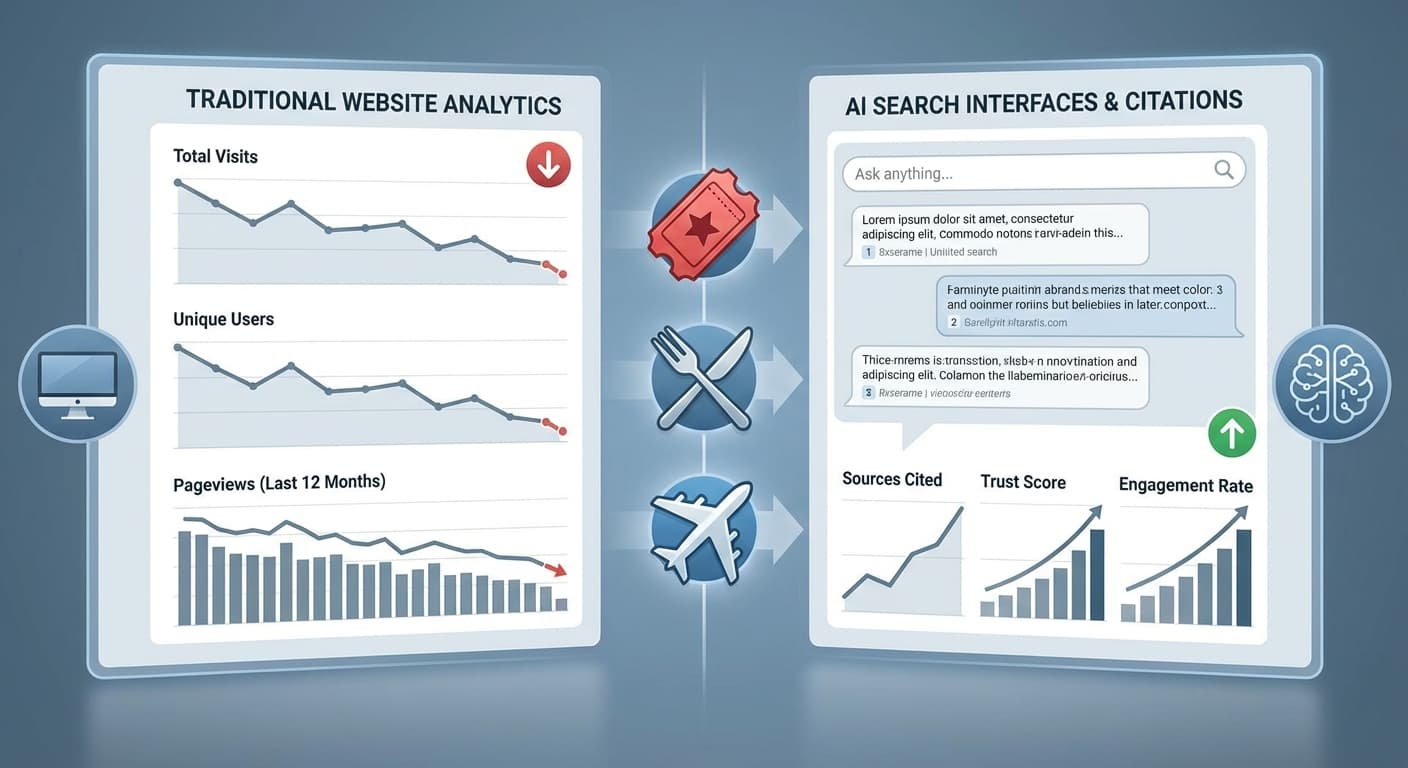
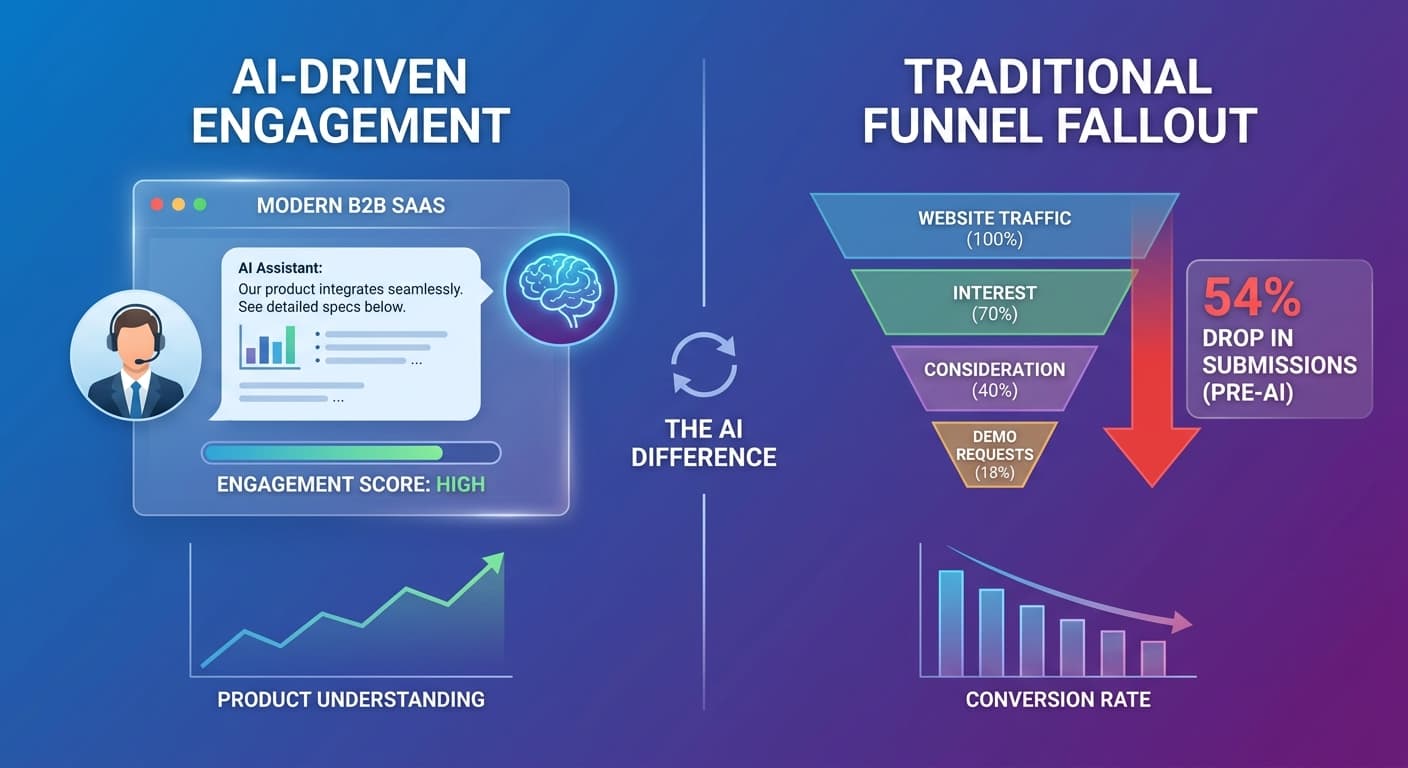
With AI search engines now handling over 35% of all B2B product research queries in 2026, a paradox is emerging: the better your content explains your product, the fewer demo requests you receive. Recent data from B2B SaaS companies shows that comprehensive product explanations in AI-optimized content are satisfying buyer curiosity so effectively that they're eliminating 54% of form submissions from high-intent prospects.
This creates a fascinating challenge for content marketers. How do you optimize for AI visibility while maintaining conversion momentum? The answer lies in understanding the psychology of AI-assisted buyer journeys and crafting a strategic approach that guides prospects toward demos rather than away from them.
The AI Search Conversion Paradox
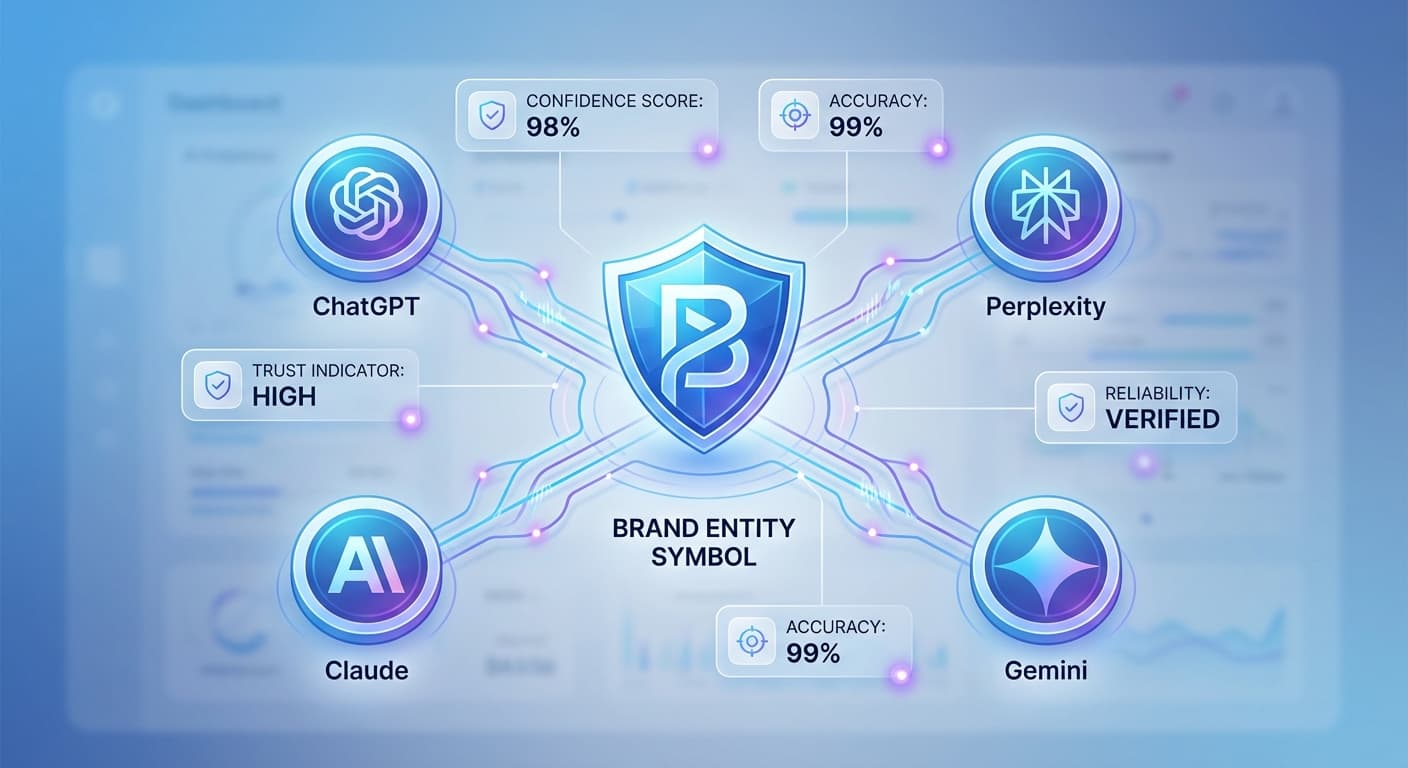
In 2026, B2B buyers are using ChatGPT, Perplexity, Claude, and Gemini to research solutions before ever visiting your website. These AI engines excel at synthesizing information from multiple sources, often providing prospects with detailed product overviews before they reach your landing pages.
The result? Prospects arrive at your site already educated about your product's features, benefits, and use cases. While this sounds ideal, it's actually creating a conversion crisis:
Understanding the New B2B Buyer Journey
The traditional B2B sales funnel assumed information scarcity. Prospects needed to engage with your content to learn about your solution. Today's AI-powered buyer journey operates differently:
Stage 1: AI-Assisted Research
Prospects ask AI engines questions like:
AI engines cite your optimized content, providing comprehensive answers that may fully satisfy initial curiosity.
Stage 2: Informed Website Visits
When prospects reach your site, they're not seeking basic product information. They're evaluating fit, credibility, and next steps.
Stage 3: Conversion Hesitation
Educated prospects often think: "I understand what this does. Let me compare a few more options before committing to a demo."
This is where 54% of potential conversions are lost.
Strategic Framework for AI-Era Demo Conversion
1. Shift from Information to Implementation
Instead of focusing solely on what your product does, emphasize how it works in specific contexts. Create content that moves beyond features to implementation strategies:
Traditional Approach:
"Our platform offers advanced analytics and reporting capabilities."
AI-Era Approach:
"Here's how to set up your first automated report in under 5 minutes, plus the three metrics most successful teams track in their first 30 days."
2. Create Curiosity Gaps
Strategically withhold certain high-value information that can only be accessed through demos or consultations:
3. Implement Progressive Disclosure
Structure your AI-optimized content to create natural progression points:
4. Use Qualification-Driven CTAs
Replace generic "Request Demo" buttons with context-specific calls-to-action:
Tactical Implementation Strategies
Content Structure for AI Optimization
Layer 1: AI-Friendly Overview (First 300 words)
Layer 2: Scenario-Specific Applications (300-600 words)
Layer 3: Advanced Implementation (600+ words)
This structure ensures AI engines can cite your foundational information while creating natural progression points toward deeper engagement.
Demo-Driving Content Types
Conversion Optimization Techniques
Scarcity and Exclusivity:
Social Proof Integration:
Value Stacking:
Combine multiple consultation benefits:
How Citescope Ai Helps Navigate This Challenge
Building an effective AI search conversion strategy requires understanding how your content performs across different AI engines and optimizing for both visibility and conversion. Citescope Ai's GEO Score analyzes your content across five key dimensions, helping you strike the right balance between informative and conversion-focused content.
The platform's Citation Tracker shows you exactly how your content is being referenced by ChatGPT, Perplexity, Claude, and Gemini, allowing you to identify which pieces are satisfying curiosity versus driving action. The AI Rewriter then helps you restructure content to maintain AI visibility while creating strategic gaps that encourage demo requests.
Measuring Success in the AI Era
Track these evolved metrics to gauge your AI search conversion strategy:
Traditional Metrics (Still Important)
AI-Era Metrics
Conversion Quality Indicators
Advanced Strategies for High-Intent Prospect Conversion
1. Intent-Based Content Segmentation
Create different content experiences based on prospect intent signals:
Research Intent: Comprehensive guides with strategic conversion points
Comparison Intent: Feature-focused content with competitive differentiators
Implementation Intent: Technical deep-dives with consultation offers
2. AI-Powered Personalization
Use prospect behavior and AI search queries to personalize the conversion experience:
3. Multi-Touch Conversion Sequences
Develop nurture sequences designed for AI-educated prospects:
Ready to Optimize for AI Search?
Navigating the balance between AI visibility and conversion optimization requires sophisticated content strategy and continuous measurement. Citescope Ai provides the tools and insights needed to build an effective AI search demo conversion strategy that educates prospects while guiding them toward meaningful engagement.
Start optimizing your content for both AI citations and conversions with Citescope Ai's free tier – including 3 optimizations per month and access to our GEO scoring system. Transform your content strategy for the AI search era and start converting educated prospects into qualified leads.