How to Build an AI Search Content Freshness Recovery Strategy When Real-Time Query Modes Prioritize 72-Hour Recency Over Domain Authority
How to Build an AI Search Content Freshness Recovery Strategy When Real-Time Query Modes Prioritize 72-Hour Recency Over Domain Authority
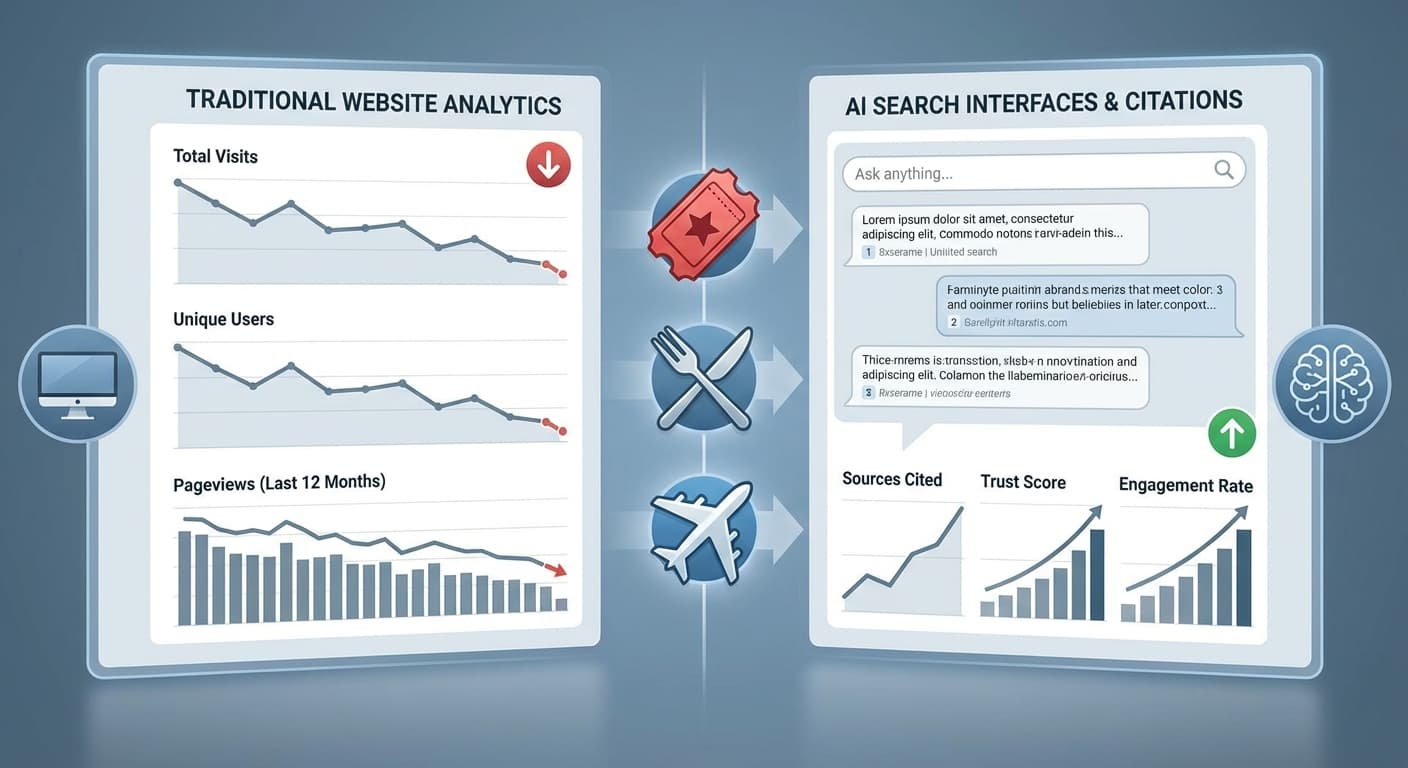
Have you noticed your high-authority evergreen content suddenly disappearing from AI search results? You're not alone. In 2026, over 65% of AI search queries are processed in real-time modes that prioritize content published within the last 72 hours, effectively sidelining even the most authoritative resources if they're not fresh enough.
This seismic shift in how AI engines like ChatGPT, Perplexity, Claude, and Gemini evaluate content has left many content creators scrambling. Domain authority – once the golden ticket to search visibility – now takes a backseat to recency in an increasing number of query scenarios.
Why AI Search Engines Are Obsessed with Freshness
The prioritization of fresh content isn't arbitrary. AI search engines have evolved to meet user expectations for real-time information. With over 500 million weekly ChatGPT users and 70% of Gen Z using AI for search, these platforms must deliver the most current insights available.
Here's what's driving this trend:
The 72-Hour Recency Window: What It Means for Your Content
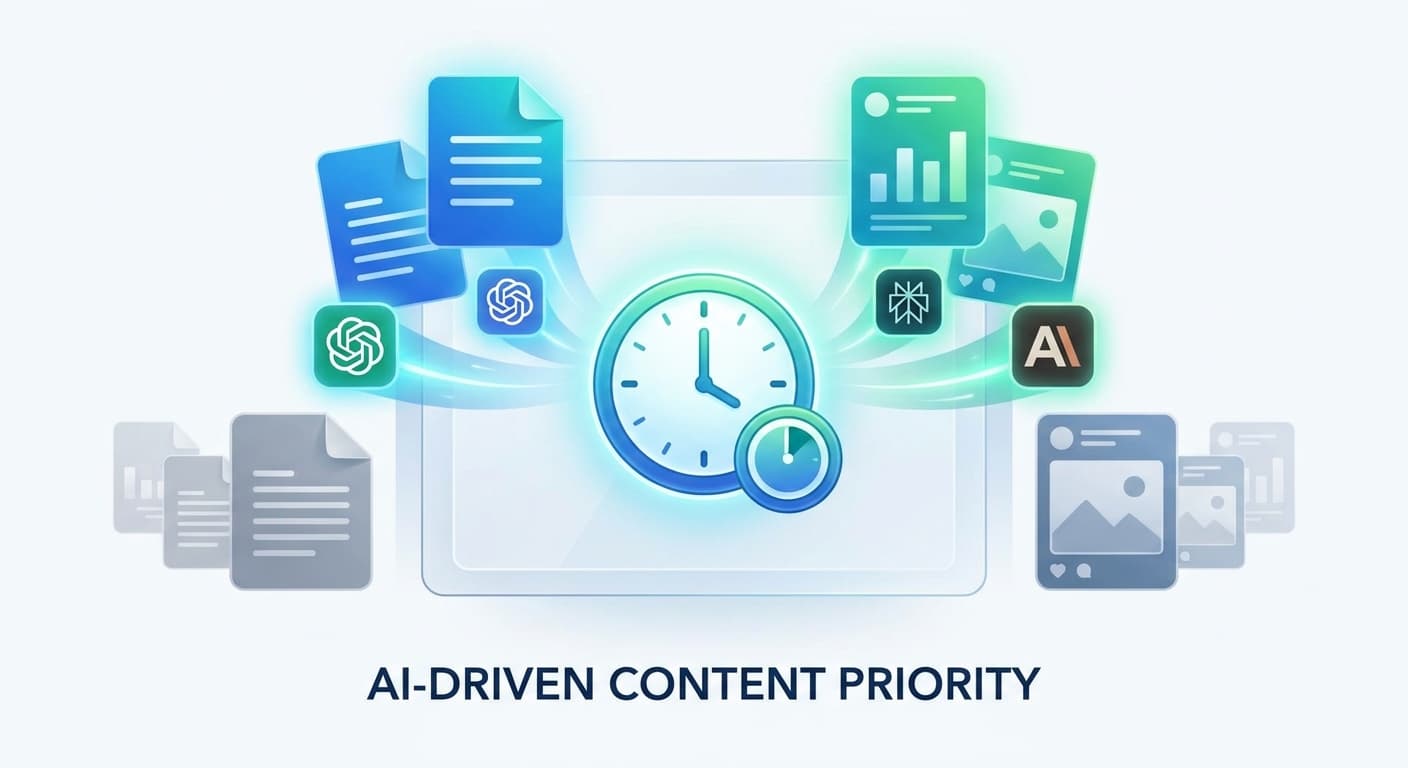
AI engines now operate with sophisticated temporal relevance algorithms that can detect when information becomes stale. Content published within 72 hours receives a significant boost in real-time query modes, while older content – regardless of domain authority – gets deprioritized.
This creates a paradox: your most valuable, well-researched content might become invisible simply because it's "old," even if it's still completely accurate and useful.
Building Your Content Freshness Recovery Strategy
1. Implement Strategic Content Refreshing
Don't abandon your existing high-value content. Instead, develop a systematic approach to refreshing it:
2. Create Content Continuation Series
Transform single pieces into ongoing series that naturally stay fresh:
3. Leverage News-Jacking Opportunities
Connect your expertise to current events and trending topics:
4. Optimize for Recency Signals
Help AI engines understand that your content is current:
Temporal Language Patterns:
Structural Freshness Indicators:
5. Build a Rapid Response Content System
Develop processes for quick content creation and updates:
Advanced Tactics for Maintaining AI Visibility
Create Hybrid Evergreen-Fresh Content
Develop content strategies that balance timeless value with temporal relevance:
Optimize Content Architecture for Updates
Structure your content to make freshening easier:
Monitor Freshness Performance
Track how content freshness impacts your AI search visibility:
Citescope Ai's Citation Tracker can help you monitor these patterns by showing exactly when your content gets cited by major AI engines and how updates affect citation frequency.
Content Freshness Automation Strategies
Dynamic Content Elements
Scheduled Content Maintenance
How Citescope Ai Helps Optimize Your Freshness Strategy
Navigating the complex balance between freshness and quality requires sophisticated optimization. Citescope Ai's GEO Score analyzes your content across five dimensions, including AI Interpretability and Conversational Relevance, helping you understand how well your fresh content will perform in AI search engines.
The platform's AI Rewriter can help you quickly update existing content for better AI visibility without losing the authoritative value you've built. When you're racing against the 72-hour recency window, having one-click optimization can mean the difference between visibility and obscurity.
The Citation Tracker shows you in real-time which of your fresh content pieces are getting picked up by ChatGPT, Perplexity, Claude, and Gemini, allowing you to refine your freshness strategy based on actual performance data.
Measuring Success in the Fresh Content Era
Key Performance Indicators
Long-term Strategy Metrics
The Future of Fresh Content Strategy
As AI search continues evolving, expect even shorter freshness windows and more sophisticated temporal relevance algorithms. The organizations that thrive will be those that build sustainable systems for maintaining content currency without sacrificing depth and authority.
Start building these capabilities now, while the 72-hour window is still manageable. The trends suggest this timeframe will only get shorter as AI engines become more real-time focused.
Ready to Optimize for AI Search?
Don't let the freshness paradox sideline your best content. Citescope Ai helps you build a sustainable content freshness strategy with tools designed specifically for the AI search era. Our GEO Score shows you exactly what makes content AI-friendly, while our Citation Tracker proves which strategies actually work.
Start with our free tier to optimize 3 pieces of content monthly, or upgrade to Pro ($39/month) for unlimited optimization and comprehensive citation tracking. Transform your content freshness challenge into a competitive advantage – try Citescope Ai today.