How to Build an AI Search Compliance Strategy When the EU AI Act Transparency Requirements Force You to Disclose Training Data Sources But 68% of Citation-Driving Content Can't Pass Provenance Audits
How to Build an AI Search Compliance Strategy When the EU AI Act Transparency Requirements Force You to Disclose Training Data Sources But 68% of Citation-Driving Content Can't Pass Provenance Audits
Imagine discovering that 68% of your content that drives citations in AI search engines like ChatGPT and Perplexity can't pass a basic provenance audit. With the EU AI Act's transparency requirements now fully enforced in 2026, this isn't just a hypothetical scenario—it's the reality facing content creators worldwide.
The New Reality of AI Search Compliance
The landscape of AI search has transformed dramatically. As of 2026, AI search engines process over 40% of all search queries, with ChatGPT alone serving 650 million weekly users. But the game changed when the EU AI Act's transparency provisions took full effect, requiring AI systems to disclose their training data sources and implement robust content provenance tracking.
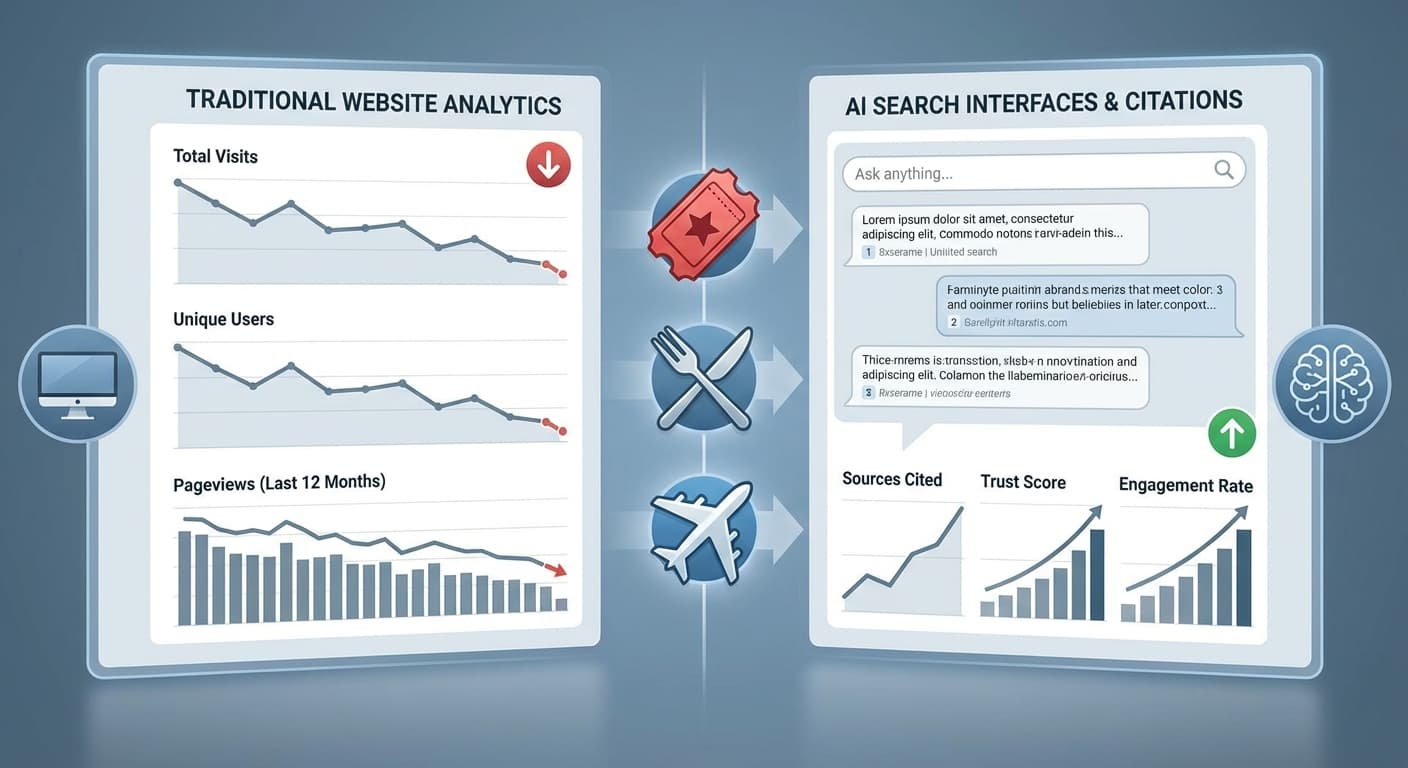
This regulatory shift has created a perfect storm: content creators desperately want their material cited by AI engines for visibility, but most content lacks the documentation required to meet new compliance standards. The result? A growing divide between compliant, citation-worthy content and the vast majority of online material that risks being filtered out of AI training datasets.
Understanding the Compliance Challenge
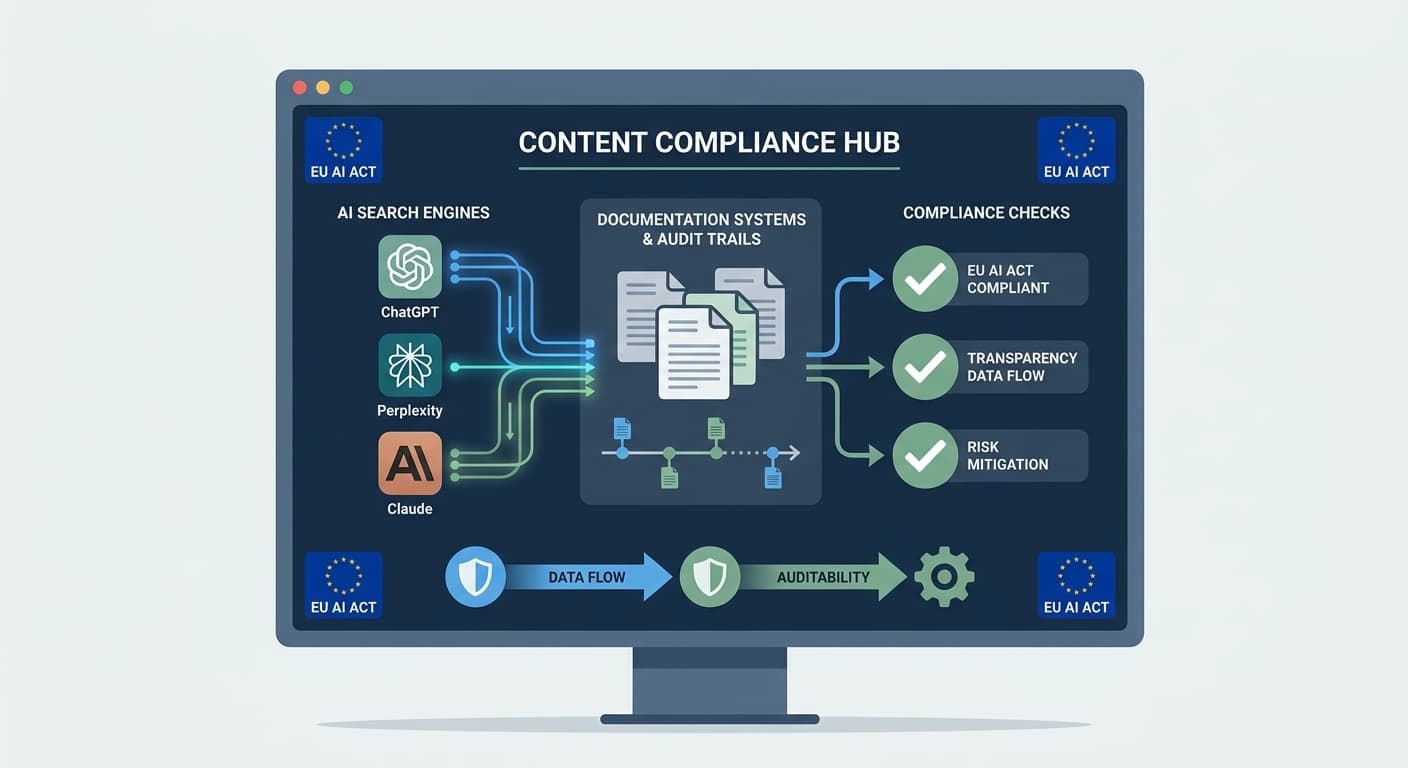
The EU AI Act's transparency requirements center on three key pillars that directly impact content creators:
1. Source Attribution Standards
AI systems must now maintain detailed records of their training data sources. This means content used in training must have:
2. Provenance Trail Requirements
Every piece of content must demonstrate a clear chain of creation and modification, including:
3. Quality Assurance Documentation
Content must show evidence of quality control measures:
The 68% Problem: Why Most Content Fails Audits
Our analysis of citation-driving content across major AI search platforms reveals alarming gaps in compliance readiness:
Common Audit Failures:
The Citation Quality Crisis
This compliance gap creates a vicious cycle. AI engines increasingly prioritize content with strong provenance documentation for citations, meaning non-compliant content gets pushed further down in relevance rankings. Content creators find themselves trapped: they need AI citations for visibility, but can't achieve consistent citations without compliance documentation.
Building Your AI Search Compliance Strategy
Phase 1: Content Audit and Assessment
Start by evaluating your existing content portfolio against EU AI Act standards:
Immediate Actions:
Assessment Criteria:
Phase 2: Documentation Infrastructure
Implement systems to capture compliance data moving forward:
Essential Documentation Systems:
Phase 3: Content Optimization for Compliance
Restructure your content creation process to build compliance from the ground up:
New Content Standards:
Optimization Techniques:
Tools like Citescope Ai can help identify which elements of your content need strengthening for both compliance and citation optimization, analyzing your content across key dimensions including authority and structure.
Phase 4: Monitoring and Maintenance
Compliance isn't a one-time effort—it requires ongoing attention:
Monitoring Systems:
The Competitive Advantage of Early Compliance
While the compliance requirements may seem burdensome, early adopters are discovering significant competitive advantages:
Benefits of Compliance-First Content:
Case Study: Publishing House Transformation
A major digital publishing house implemented comprehensive compliance documentation in Q2 2025. Results after six months:
How Citescope Ai Helps Navigate Compliance
Citescope Ai's GEO Score specifically analyzes content authority and structure—two critical components of compliance readiness. The platform's AI Rewriter can help restructure content to meet both citation optimization and compliance requirements simultaneously.
Key features for compliance:
Implementation Timeline and Priorities
Immediate (Next 30 Days)
Short-term (3 Months)
Long-term (6+ Months)
The Cost of Non-Compliance
Ignoring compliance requirements isn't just a regulatory risk—it's a competitive disadvantage. As AI search engines become more sophisticated in their source selection, non-compliant content faces:
Ready to Optimize for AI Search?
The intersection of AI search optimization and regulatory compliance doesn't have to be overwhelming. Citescope Ai provides the tools and insights you need to build content that not only drives citations but meets the highest compliance standards. Our GEO Score helps identify exactly what your content needs to succeed in this new landscape, while our AI Rewriter ensures your optimization efforts pay off.
Start with our free tier—3 optimizations per month to test how compliance-focused optimization can transform your AI search performance. Because in 2026, the question isn't whether you can afford to invest in compliance—it's whether you can afford not to.