How to Build an AI Search Collaborative Filtering Strategy When Consumer-Facing AI Models Begin Aggregating Anonymous User Preference Data

How to Build an AI Search Collaborative Filtering Strategy When Consumer-Facing AI Models Begin Aggregating Anonymous User Preference Data
By early 2026, something remarkable has happened in AI search: ChatGPT, Perplexity, Claude, and Gemini aren't just recommending brands based on what they've read online anymore. They're starting to aggregate anonymous user preference data, creating collaborative filtering systems that recommend products and services based on what similar buyers actually chose, not just what marketing content claims.
This shift represents the biggest change in AI search since these platforms launched. With over 600 million weekly users across major AI search platforms and 78% of Gen Z now using AI for purchase decisions, brands can no longer rely solely on traditional content authority to drive AI citations.
Understanding the New AI Search Landscape
Traditional SEO focused on authority signals like backlinks, domain authority, and content depth. AI search initially followed similar patterns, citing sources based on content quality and traditional web authority metrics. But in 2025-2026, we're witnessing a fundamental shift.
The Collaborative Filtering Revolution
AI models are now incorporating behavioral signals from their massive user bases. When millions of users ask "What's the best project management software for small teams?" and consistently choose certain options, AI engines begin factoring these collective preferences into their recommendations.
This creates a new challenge: How do you optimize for AI recommendations when the algorithm considers both your content quality AND actual user behavior patterns?
The Components of AI Search Collaborative Filtering
Before building your strategy, understand what these AI systems are likely tracking:
User Interaction Patterns
Behavioral Cohort Analysis
Cross-Platform Signal Aggregation
Building Your AI Search Collaborative Filtering Strategy
1. Create Content That Drives Qualified AI Interactions
Your content strategy must now consider not just citations, but the quality of user interactions it generates.
Optimize for Follow-Up Engagement:
Example Approach:
Instead of writing "10 Email Marketing Best Practices," create "How to Set Up Your First Email Marketing Campaign (With Common Questions Answered)." This naturally generates follow-up queries like "How do I segment my email list?" or "What's a good open rate for my industry?"
2. Engineer Positive User Journey Patterns
When AI engines track user behavior, successful outcomes strengthen your recommendation potential.
Key Strategies:
3. Optimize for Cross-Platform Consistency
AI engines are increasingly cross-referencing recommendations. Being cited consistently across ChatGPT, Perplexity, Claude, and Gemini strengthens your collaborative filtering signals.
Implementation Tactics:
Tools like Citescope Ai's Citation Tracker can help you monitor consistency across AI platforms, showing you exactly how each engine is positioning your brand and identifying gaps in your cross-platform presence.
4. Develop Behavioral Intent Optimization
Understand the user journeys that lead to successful outcomes in your industry.
Research Approach:
Content Format Optimization:
5. Build Community-Driven Authority
Collaborative filtering relies heavily on community behavior. Foster genuine user communities that naturally generate positive signals.
Community Strategy Elements:
6. Monitor and Adapt to Behavioral Signals
Unlike traditional SEO metrics, collaborative filtering signals are dynamic and require continuous monitoring.
Key Metrics to Track:
Advanced Tactics for 2026
Semantic Clustering Strategy
AI engines are getting better at understanding user intent clusters. Position your content within semantic neighborhoods where your ideal customers naturally explore.
Implementation:
Outcome-Based Content Architecture
Structure your content around the outcomes users actually achieve, not just the features you offer.
Framework:
How Citescope Ai Helps Navigate Collaborative Filtering
As AI search becomes more sophisticated, tools like Citescope Ai become essential for understanding and optimizing your collaborative filtering potential.
GEO Score Analysis: Citescope Ai's comprehensive scoring system evaluates your content across five critical dimensions, including Conversational Relevance – crucial for generating the kind of natural follow-up questions that strengthen collaborative filtering signals.
AI Rewriter Optimization: The platform's one-click optimization restructures your content to better align with AI search patterns, improving both citation potential and user engagement quality.
Multi-Platform Citation Tracking: Monitor how consistently you're being recommended across ChatGPT, Perplexity, Claude, and Gemini – essential data for understanding your collaborative filtering strength.
Measuring Success in the New AI Search Era
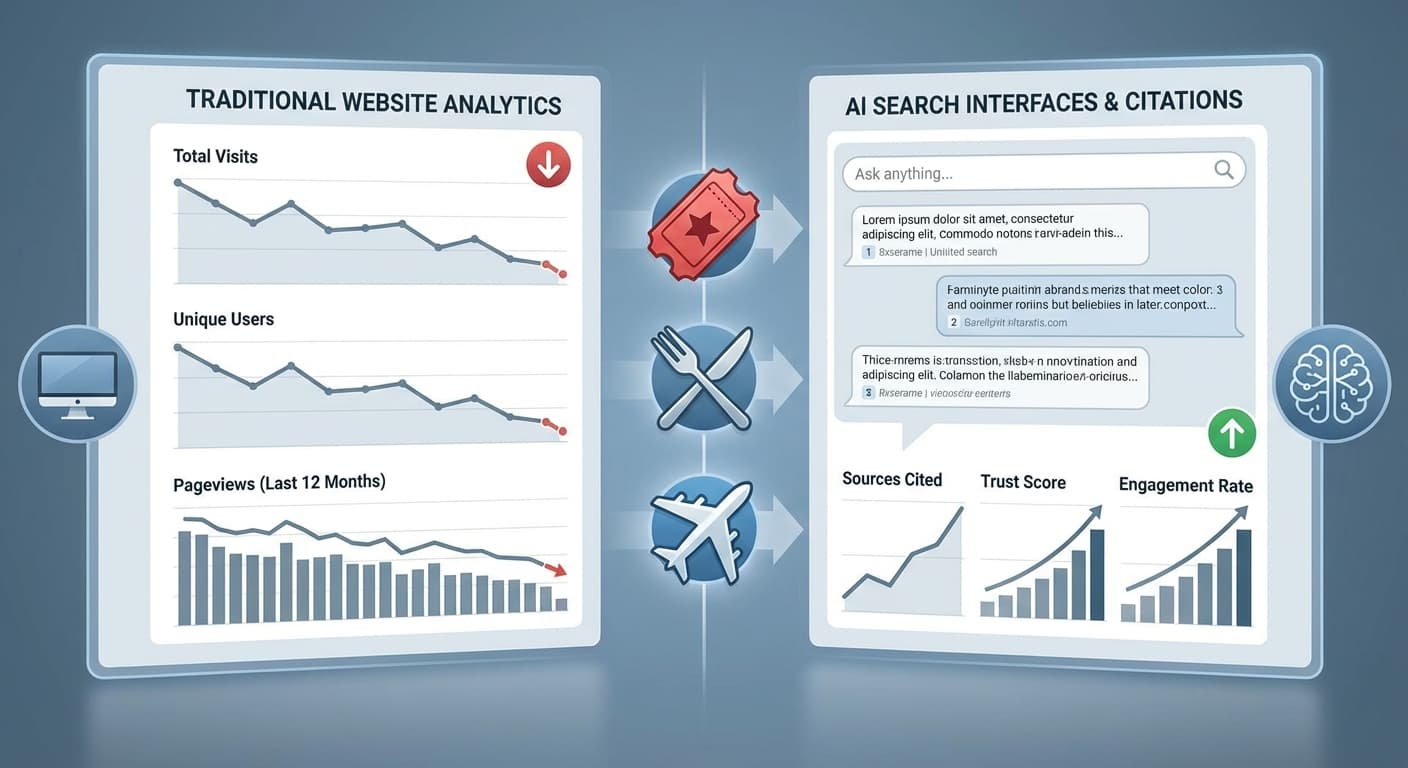
Traditional metrics like rankings and traffic become less relevant. Focus on:
Primary Metrics
Secondary Metrics
The Future of AI Search Optimization
As we move deeper into 2026, expect collaborative filtering to become even more sophisticated. AI engines will likely begin incorporating:
Brands that build strong collaborative filtering foundations now will have significant advantages as these systems evolve.
Ready to Optimize for AI Search?
The shift toward collaborative filtering in AI search represents both a challenge and an enormous opportunity. While traditional content authority remains important, the brands that succeed will be those that create genuine value for users and foster positive community behaviors.
Citescope Ai helps you navigate this new landscape with tools designed specifically for AI search optimization. From our GEO Score analysis to cross-platform citation tracking, we provide the insights you need to build a successful collaborative filtering strategy.
Start your free trial today and discover how your content performs across ChatGPT, Perplexity, Claude, and Gemini. With 3 free optimizations per month, you can begin testing and improving your AI search presence immediately.