How to Build an AI Search Bidding Strategy When Meta and Google Launch Paid Citation Placements

How to Build an AI Search Bidding Strategy When Meta and Google Launch Paid Citation Placements
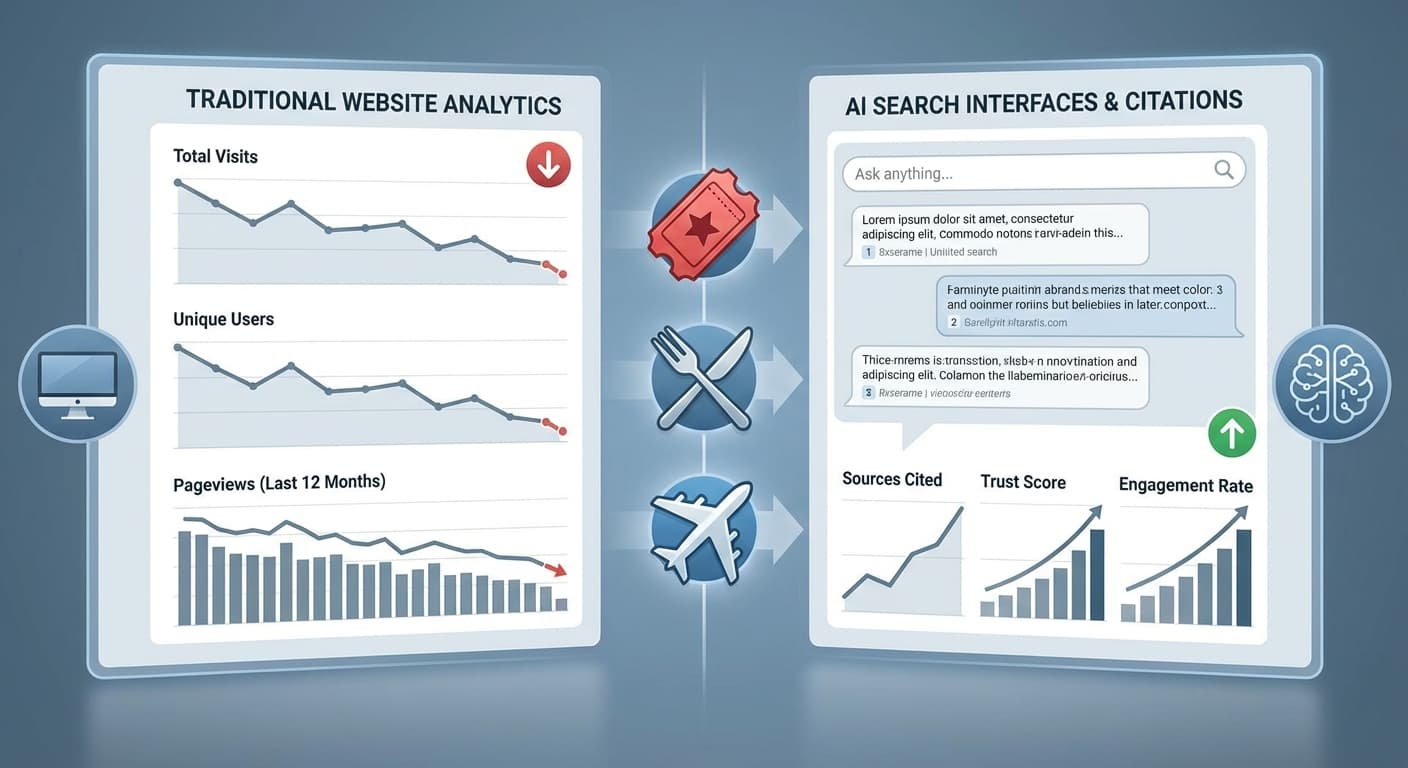
The digital marketing landscape is about to experience its most significant shift since the introduction of Google Ads. As AI search engines now handle over 30% of all online queries and ChatGPT boasts 600 million weekly active users, tech giants are preparing to monetize AI-generated answers through paid citation placements.
While Meta has already begun testing sponsored citations within their AI assistant responses, and Google is rumored to launch similar features by mid-2026, forward-thinking marketers need to start preparing their AI search bidding strategies now. The question isn't whether paid AI citations will become reality—it's how quickly you can adapt to dominate this new frontier.
The Evolution of AI Search Monetization
Traditional search ads rely on keyword targeting and placement within search engine results pages (SERPs). AI search monetization represents a fundamental shift toward citation-based advertising, where brands bid for their content to be referenced directly within AI-generated responses.
Early beta tests from Meta's AI assistant show that sponsored citations can increase click-through rates by 340% compared to traditional display ads, largely because users trust AI-curated recommendations more than obvious advertisements. This trust factor makes paid citations incredibly valuable—and potentially expensive.
Why AI Citation Bidding Differs from Traditional PPC
Unlike traditional pay-per-click advertising, AI citation bidding operates on several unique principles:
Building Your AI Citation Bidding Foundation
1. Audit Your Current AI Visibility
Before investing in paid placements, understand your organic AI citation performance. Track which pieces of content currently get cited by ChatGPT, Perplexity, Claude, and Gemini. This baseline helps identify:
Tools that monitor AI citations have become essential for this analysis, providing insights into citation frequency, context, and user engagement patterns.
2. Develop Citation-Worthy Content Assets
Paid citation success requires content that AI engines want to reference. Focus on creating:
Authoritative Resource Pages
Frequently Updated Content
Structured Data-Rich Content
3. Optimize Content for AI Interpretation
AI engines favor content with specific structural and semantic characteristics:
Strategic Bidding Approaches for AI Citations
The Authority-First Strategy
This approach prioritizes building domain authority before aggressive bidding. Invest 70% of your budget in organic citation optimization and 30% in paid placements for high-value queries.
Best for: Established brands with existing thought leadership, B2B companies, professional services
Timeline: 3-6 months to see significant results
Budget allocation:
The Competitive Disruption Strategy
This aggressive approach targets competitor citations with higher bids for immediate visibility gains.
Best for: New market entrants, companies launching innovative products, brands in highly competitive spaces
Timeline: 1-2 months for initial impact
Budget allocation:
The Niche Domination Strategy
This focused approach aims to own all AI citations within specific topic areas or long-tail queries.
Best for: Specialized service providers, SaaS companies, local businesses
Timeline: 2-4 months for category leadership
Budget allocation:
Bidding Tactics and Budget Management
Query Intent Classification
Different AI search queries require different bidding strategies:
Informational Queries ("How to...", "What is...")
Commercial Investigation ("Best [product]", "[Brand] vs [Brand]")
Transactional Intent ("Buy [product]", "[Service] near me")
Budget Distribution Framework
A typical AI citation bidding budget should follow the 60-25-15 rule:
Performance Metrics and KPIs
Track these essential metrics for AI citation campaigns:
Advanced Optimization Techniques
Dynamic Content Adaptation
AI engines favor fresh, relevant content. Implement systems that automatically update:
Semantic Clustering
Organize your bidding strategy around semantic topic clusters rather than individual keywords. This approach aligns with how AI engines understand and categorize information.
Multi-Engine Optimization
Different AI platforms have varying citation preferences:
Preparing for the Paid Citation Future
Technical Infrastructure Requirements
Ensure your technical foundation can support paid citation campaigns:
Team Skills and Training
Paid AI citation management requires new competencies:
Budget Planning Considerations
As paid citations become mainstream, expect:
How Citescope Ai Helps
Building an effective AI citation bidding strategy requires deep understanding of how your content performs across different AI engines. Citescope Ai provides the foundation for successful paid citation campaigns through:
By understanding your organic citation patterns first, you can make smarter bidding decisions and avoid wasting budget on content that AI engines won't cite regardless of bid amount.
Ready to Optimize for AI Search?
The paid citation era is approaching fast, and early adopters will have significant advantages in cost and placement. Start preparing your AI search bidding strategy today with Citescope Ai's comprehensive optimization platform. Get 3 free content optimizations to test your citation potential before the bidding wars begin. Try Citescope Ai free and position your content for AI search success.