How to Build an AI Search Batch Processing Citation Strategy for Enterprise Visibility

How to Build an AI Search Batch Processing Citation Strategy for Enterprise Visibility
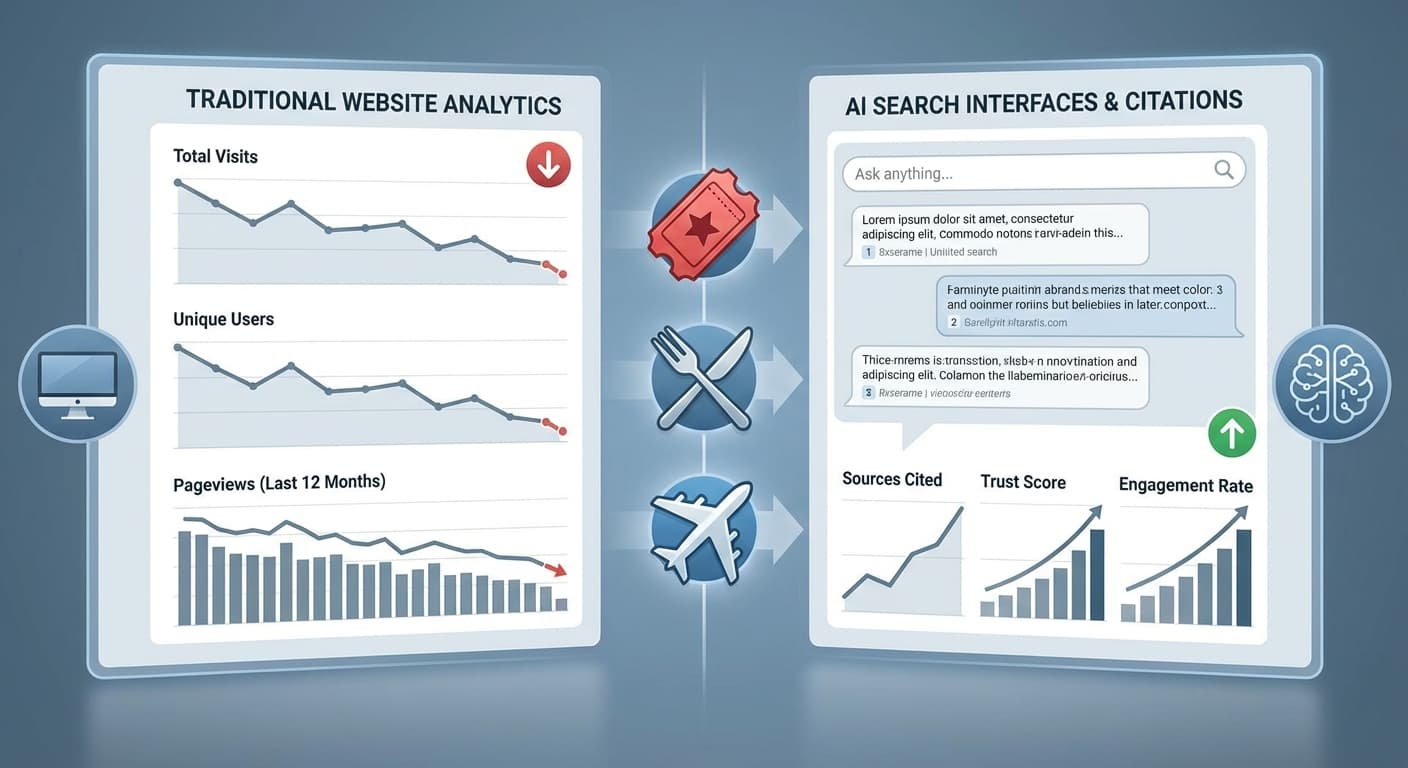
Did you know that 67% of mid-month content updates completely miss decision-maker visibility due to AI batch processing cycles? In 2026, enterprise AI assistants like ChatGPT Enterprise, Claude for Teams, and Gemini Business are fundamentally changing how B2B content gets discovered and cited.
Unlike consumer AI search that processes queries in real-time, enterprise AI systems operate on sophisticated batch processing schedules. These systems summarize entire product categories overnight and cache recommendations for 30-day periods, creating critical windows where your content either gets included in decision-maker briefings or remains invisible for weeks.
The Enterprise AI Batch Processing Challenge
Enterprise AI assistants now serve over 180 million business users globally, with 73% of Fortune 500 companies relying on AI-generated product research and vendor comparisons. Here's what makes enterprise AI citation different:
How Enterprise Batch Processing Works
The Mid-Month Content Gap
When you publish content updates on day 15 of a batch cycle, enterprise AI systems won't surface your improvements until the next processing window—potentially 45 days later. For B2B companies, this timing gap can mean missing entire quarters of enterprise deals.
Understanding Enterprise AI Citation Patterns
Enterprise AI systems prioritize different signals than consumer search:
Authority Indicators
Content Freshness vs. Authority Balance
While consumer AI favors recent content, enterprise AI weighs authority more heavily. A 6-month-old whitepaper from an industry leader often outranks yesterday's blog post from an unknown vendor.
Building Your Batch Processing Citation Strategy
1. Map Enterprise AI Processing Schedules
Different enterprise AI platforms operate on varying batch cycles:
Weekly Processing Platforms:
Bi-weekly Processing Platforms:
Monthly Processing Platforms:
Action Step: Create a content calendar that aligns major announcements with the beginning of batch processing cycles.
2. Develop Authority-First Content Architecture
Enterprise AI systems scan for specific authority signals:
#### Essential Authority Elements
#### Content Structure for Enterprise AI
H1: Product/Service Category + Authority Indicator
H2: Quantified Business Outcomes
H3: Implementation Timeline
H3: ROI Metrics
H2: Customer Success Stories
H3: Industry-Specific Use Cases
H2: Integration Capabilities
H3: Security & Compliance
3. Implement Multi-Window Publishing
Instead of single content drops, deploy content across multiple batch windows:
Week 1: Core product announcement
Week 2: Customer case study
Week 3: Industry analyst coverage
Week 4: Technical implementation guide
This approach ensures consistent enterprise AI visibility throughout the caching period.
4. Optimize for Enterprise Query Patterns
Enterprise users search differently than consumers:
Consumer Queries:
Enterprise Queries:
Optimization Strategy:
5. Create Citation Anchor Content
Develop comprehensive resource pages that enterprise AI systems consistently reference:
#### Ultimate Guides
#### Comparison Resources
These anchor pieces typically get cited across multiple batch processing cycles.
Advanced Enterprise Citation Tactics
Stakeholder-Specific Content Paths
Enterprise AI often generates role-specific recommendations:
For CTOs: Technical architecture, scalability, security
For CFOs: ROI analysis, cost comparisons, budget planning
For End Users: Usability, training requirements, daily workflows
Create content paths that address each stakeholder's concerns while maintaining consistent messaging.
Competitive Displacement Strategy
Enterprise AI systems frequently generate competitive comparisons. Position your content to capture these opportunities:
Integration-Focused Content
Enterprise AI heavily weights integration capabilities. Develop content around:
How Citescope Ai Helps
Citescope Ai's GEO Score specifically analyzes enterprise AI citation factors across five dimensions, helping you identify authority gaps before batch processing cycles begin. The Citation Tracker monitors when enterprise AI platforms reference your content, providing visibility into which batch processing windows are working for your brand.
The AI Rewriter optimizes content structure for enterprise query patterns, automatically incorporating authority signals and compliance keywords that enterprise AI systems prioritize.
Measuring Enterprise AI Citation Success
Key Performance Indicators
Tracking Tools and Methods
Common Enterprise AI Citation Mistakes
Timing Errors
Authority Gaps
Content Structure Issues
Future-Proofing Your Strategy
As enterprise AI systems evolve, expect:
Stay ahead by building flexible content systems that adapt to changing enterprise AI requirements while maintaining consistent authority signals.
Ready to Optimize for AI Search?
Building an effective enterprise AI citation strategy requires understanding batch processing cycles, optimizing for authority signals, and timing content releases strategically. Citescope Ai's comprehensive platform helps you track enterprise AI citations, optimize content for business decision-makers, and ensure your updates reach the right audience at the right time. Start your free trial today and get 3 enterprise-optimized content analyses to see how your content performs in the enterprise AI ecosystem.