How to Build an AI Referral Traffic Quality Framework When ChatGPT and Perplexity Drive Only 6.5% of Total Organic Traffic But Convert 43% Better Than Traditional Google Clicks
How to Build an AI Referral Traffic Quality Framework When ChatGPT and Perplexity Drive Only 6.5% of Total Organic Traffic But Convert 43% Better Than Traditional Google Clicks
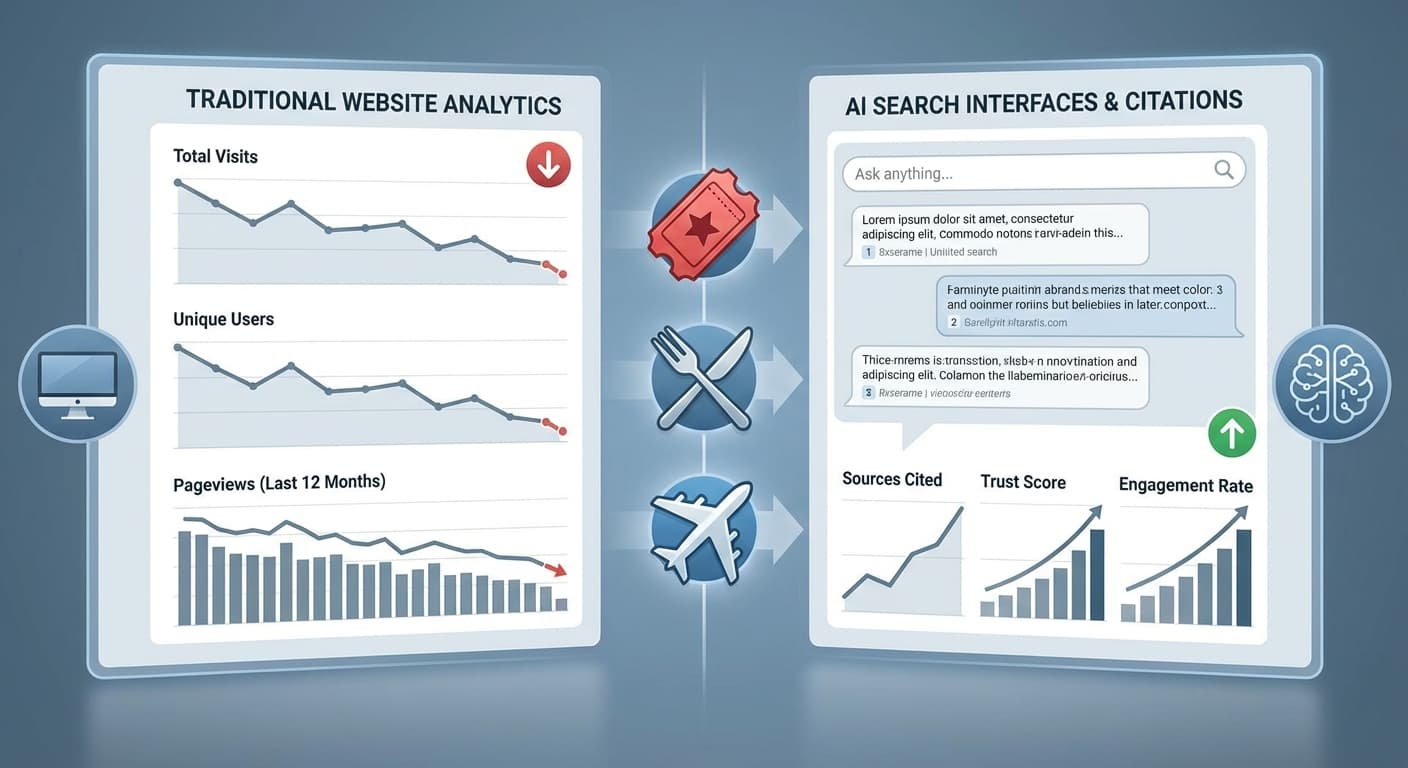
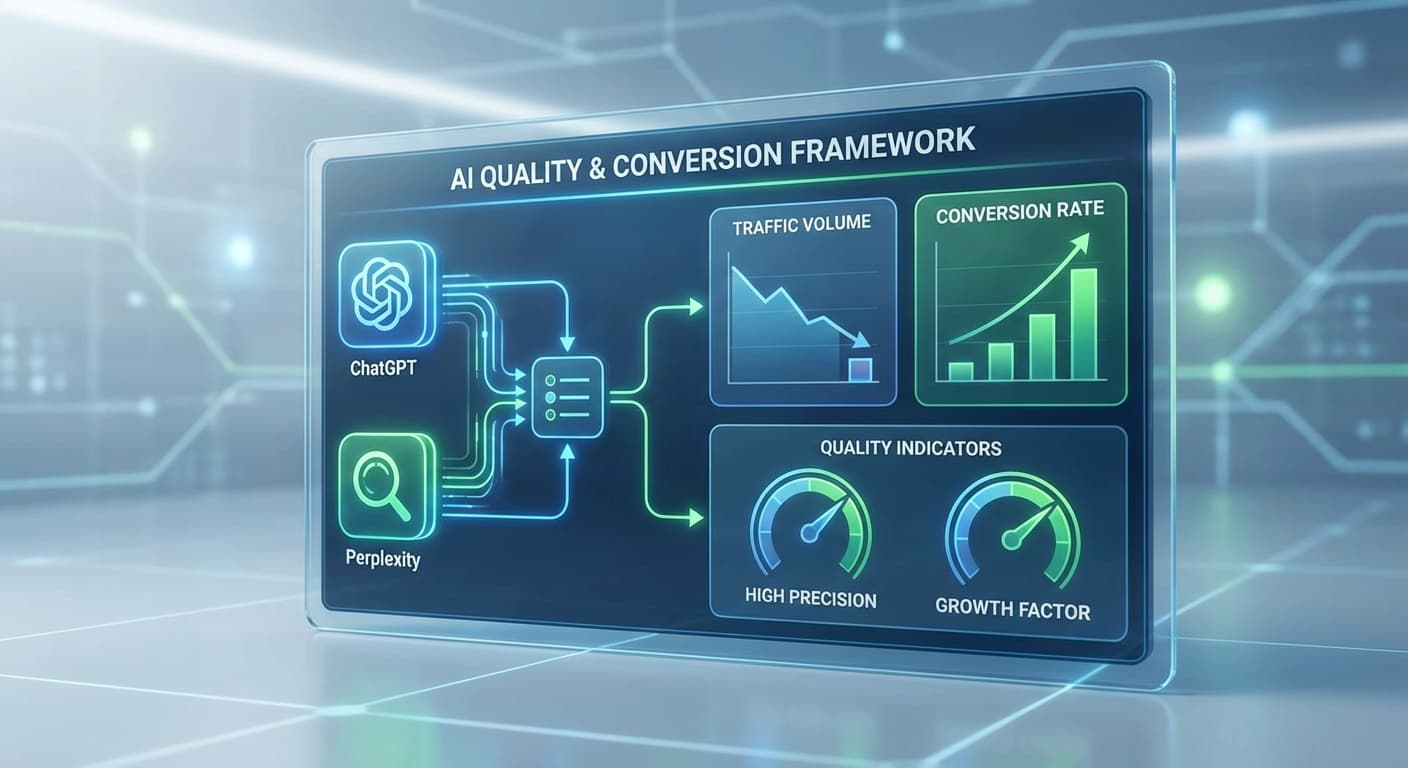
While AI search engines like ChatGPT and Perplexity currently represent just 6.5% of total organic traffic in 2025, they're delivering conversion rates that are 43% higher than traditional Google clicks. This paradox reveals a critical truth: AI referral traffic is not just different—it's fundamentally more valuable.
The Hidden Value of AI-Driven Traffic
The numbers tell a compelling story. Despite their smaller traffic share, AI search engines are driving users with dramatically different intent patterns. These users arrive at your content having already engaged with an AI system that vetted, summarized, and recommended your material. They're pre-qualified, informed, and ready to take action.
This shift demands a new approach to measuring and optimizing traffic quality. Traditional metrics focused on volume are becoming less relevant as marketers recognize that quality trumps quantity in the AI search era.
Understanding AI Traffic Quality Dimensions
Building an effective framework starts with understanding what makes AI referral traffic unique. Unlike traditional search, AI engines evaluate content across multiple quality dimensions before citing or recommending it to users.
Intent Depth and Context
AI search users typically engage with longer, more complex queries. They're not just looking for quick answers—they're seeking comprehensive understanding. This deeper intent translates to higher-quality traffic that spends more time on your content and engages more meaningfully with your offerings.
Pre-Qualification Through AI Filtering
When ChatGPT or Perplexity cites your content, the AI has already determined that your information is authoritative, relevant, and valuable. This AI-mediated recommendation serves as a quality filter, sending you users who trust the source and are more likely to convert.
Trust Transfer from AI Systems
Users develop trust relationships with their AI tools. When these systems recommend your content, they transfer some of their credibility to your brand. This trust boost significantly impacts user behavior and conversion likelihood.
Framework Component 1: AI-Specific Quality Metrics
Traditional traffic analysis falls short when applied to AI referral traffic. Your framework needs metrics that capture the unique value of AI-driven visits.
Citation Conversion Rate (CCR)
Track conversions specifically from AI engine citations. This metric isolates the performance of your AI-optimized content and helps identify which pieces drive the most valuable traffic.
AI Engagement Depth Score
Measure how AI traffic interacts with your content compared to traditional search traffic. Consider metrics like:
Authority Recognition Index
Track how frequently AI engines cite your content as authoritative sources. This metric predicts future traffic quality and helps you understand which content formats and topics resonate with AI systems.
Framework Component 2: Content Optimization for Quality Attraction
Attracting high-quality AI referral traffic requires content that AI engines recognize as valuable and cite-worthy.
Semantic Richness Development
AI engines favor content with rich semantic context. This means:
Conversational Query Optimization
Optimize for the way people actually ask AI systems questions. This involves:
Authority Signal Enhancement
Strengthen signals that AI engines use to determine content authority:
Framework Component 3: Multi-Engine Citation Strategy
Different AI engines have varying preferences for content types and structures. A quality-focused framework must account for these differences.
ChatGPT Optimization
ChatGPT tends to favor:
Perplexity Preferences
Perplexity often cites:
Claude and Gemini Considerations
These engines show preferences for:
Implementation Strategy: Building Your Quality Framework
Phase 1: Baseline Establishment
Start by auditing your current AI referral traffic:
Phase 2: Optimization Implementation
Phase 3: Quality Monitoring and Refinement
Tools like Citescope Ai can streamline this process by providing comprehensive citation tracking across multiple AI engines and offering optimization recommendations based on your content's GEO Score—measuring AI interpretability, semantic richness, conversational relevance, structure, and authority.
Measuring Framework Success
Your AI referral traffic quality framework should track both leading and lagging indicators:
Leading Indicators
Lagging Indicators
Common Framework Pitfalls to Avoid
Many organizations make critical errors when building their AI traffic quality frameworks:
Volume-Focused Thinking
Don't chase AI traffic volume at the expense of quality. The 6.5% traffic share that converts 43% better is more valuable than larger volumes of low-converting traditional traffic.
Single-Engine Optimization
Avoid optimizing exclusively for one AI engine. A robust framework addresses the preferences of multiple AI systems while maintaining content quality.
Static Implementation
AI engines continuously evolve their citation algorithms. Your framework must adapt to changing preferences and new quality signals.
Future-Proofing Your Framework
As AI search continues to mature, quality frameworks must anticipate emerging trends:
Multimodal Integration
Prepare for AI engines that process text, images, video, and audio together. Quality frameworks will need to assess content across multiple formats.
Real-Time Optimization
Future frameworks will likely include real-time optimization capabilities, adjusting content dynamically based on AI citation patterns and user behavior.
Personalization Layers
AI engines are developing more sophisticated personalization. Quality frameworks must account for how content performs across different user contexts and AI customization settings.
How Citescope Ai Helps Build Your Quality Framework
Implementing a comprehensive AI referral traffic quality framework requires sophisticated tools and insights. Citescope Ai provides the foundation for this framework through:
The platform's analytics help you identify which content attracts the highest-quality AI traffic and provides actionable recommendations for improvement.
Ready to Optimize for AI Search?
Building an AI referral traffic quality framework is essential for maximizing the value of your AI search presence. While AI engines currently drive a smaller share of total traffic, their superior conversion rates make them increasingly valuable for content creators and marketers.
Start building your quality framework today with Citescope Ai's comprehensive tools for AI search optimization. Try our free tier with 3 optimizations per month and discover how your content can attract higher-quality AI referral traffic. Sign up for your free Citescope Ai account and begin optimizing for the future of search.