How to Build an AI Readiness Content Audit Framework When Traditional SEO Metrics No Longer Predict Which Pages Get Cited in AI Summaries
How to Build an AI Readiness Content Audit Framework When Traditional SEO Metrics No Longer Predict Which Pages Get Cited in AI Summaries
Remember when a high domain authority and solid keyword rankings guaranteed your content would get seen? Those days are rapidly fading. In 2026, with AI search accounting for over 35% of all queries and platforms like ChatGPT serving 600+ million users weekly, traditional SEO metrics are proving woefully inadequate at predicting which content gets cited in AI summaries.
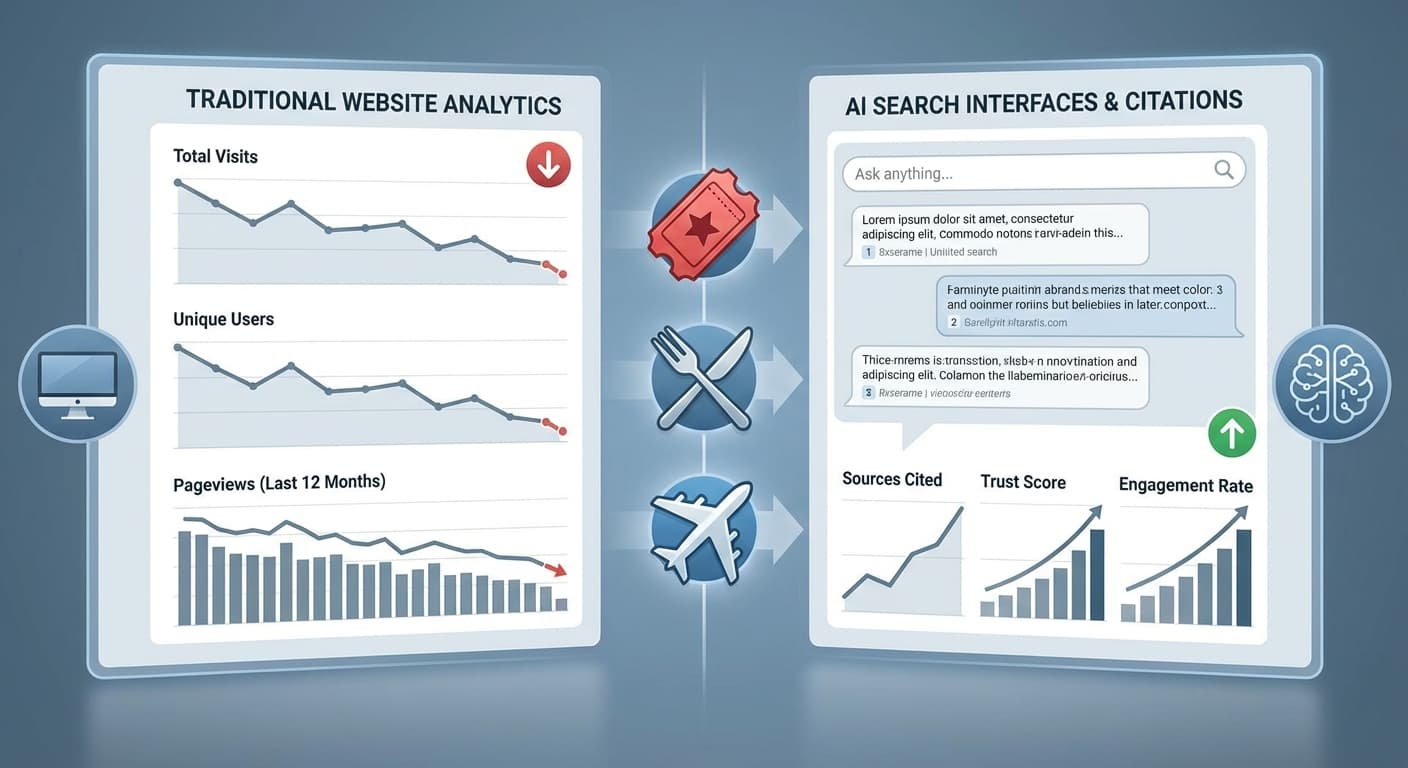
Here's the stark reality: pages ranking #1 on Google are only cited in AI responses about 40% of the time, while lower-ranking pages with better AI readability often steal the spotlight. This shift demands an entirely new approach to content auditing—one that evaluates your content through the lens of AI interpretability rather than traditional search signals.
The Disconnect Between Traditional SEO and AI Citation Success
Traditional SEO metrics focus on what search engines crawl, but AI engines need content they can understand and synthesize. This creates a fundamental mismatch:
What Traditional Audits Measure:
What Actually Drives AI Citations:
A recent analysis of 10,000+ AI citations revealed that pages with high "AI interpretability scores" were 3.2x more likely to be cited, regardless of their traditional SEO metrics.
Building Your AI Readiness Content Audit Framework
Phase 1: Inventory Assessment with AI Lens
Start by cataloging your content through five critical dimensions:
1. AI Interpretability Analysis
2. Semantic Richness Evaluation
3. Conversational Relevance Scoring
4. Structural Coherence Review
5. Authority Signal Assessment
Phase 2: Content Categorization Matrix
Organize your content into four categories based on AI readiness:
High Performers (AI-Ready Champions)
Hidden Gems (Optimization Candidates)
Underperformers (Restructure Needed)
Legacy Content (Archive or Transform)
Phase 3: Diagnostic Deep Dives
For each piece of content, conduct these specific assessments:
AI Query Simulation
Test how your content performs against common AI prompts:
Semantic Gap Analysis
Identify missing elements that AI engines expect:
Citation Worthiness Checklist
Advanced Framework Implementation Strategies
Create AI-Friendly Content Templates
Develop standardized formats that consistently perform well:
The Problem-Solution-Proof Structure
The Complete Answer Format
Establish Ongoing Monitoring Systems
Weekly Citation Tracking
Monthly Performance Reviews
Quarterly Framework Updates
Measuring Success in the AI Era
New Metrics That Matter
Shift focus from traditional KPIs to AI-centric measurements:
Citation Metrics
Engagement Indicators
Content Health Scores
Tools and Technologies for Implementation
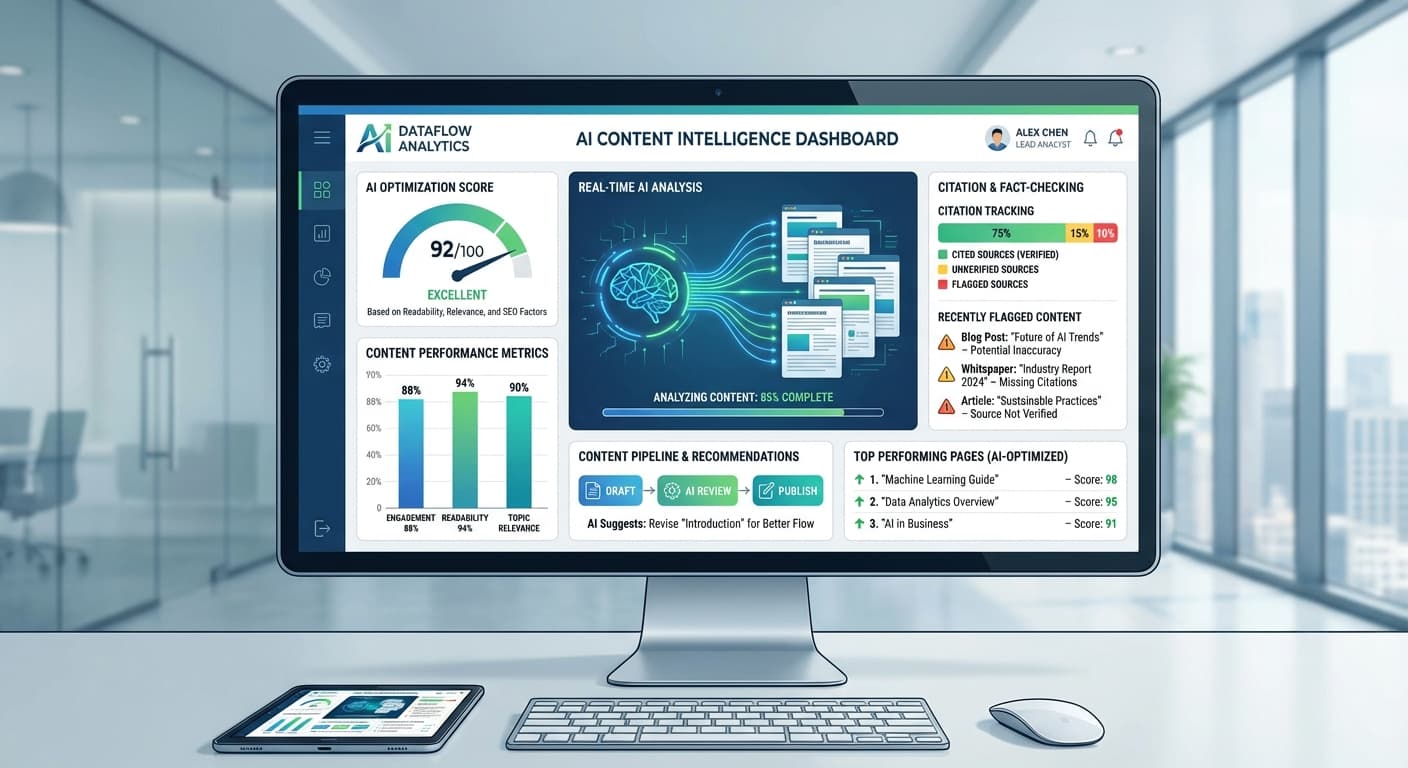
While building this framework manually is possible, specialized tools can significantly accelerate the process. Citescope Ai offers comprehensive AI readiness analysis through its GEO Score system, which evaluates content across all five critical dimensions and provides specific optimization recommendations.
Common Pitfalls to Avoid
Over-Optimization Trap
Don't sacrifice content quality for AI readability. Balance human engagement with AI interpretability.
Ignoring Content Freshness
AI engines heavily favor current information. Regular updates are crucial for maintaining citations.
Template Rigidity
While frameworks help, don't force every piece of content into the same mold. Adapt based on topic and audience.
Metrics Tunnel Vision
Use AI metrics alongside traditional SEO indicators, not as complete replacements.
How Citescope Ai Helps Streamline Your Content Audit
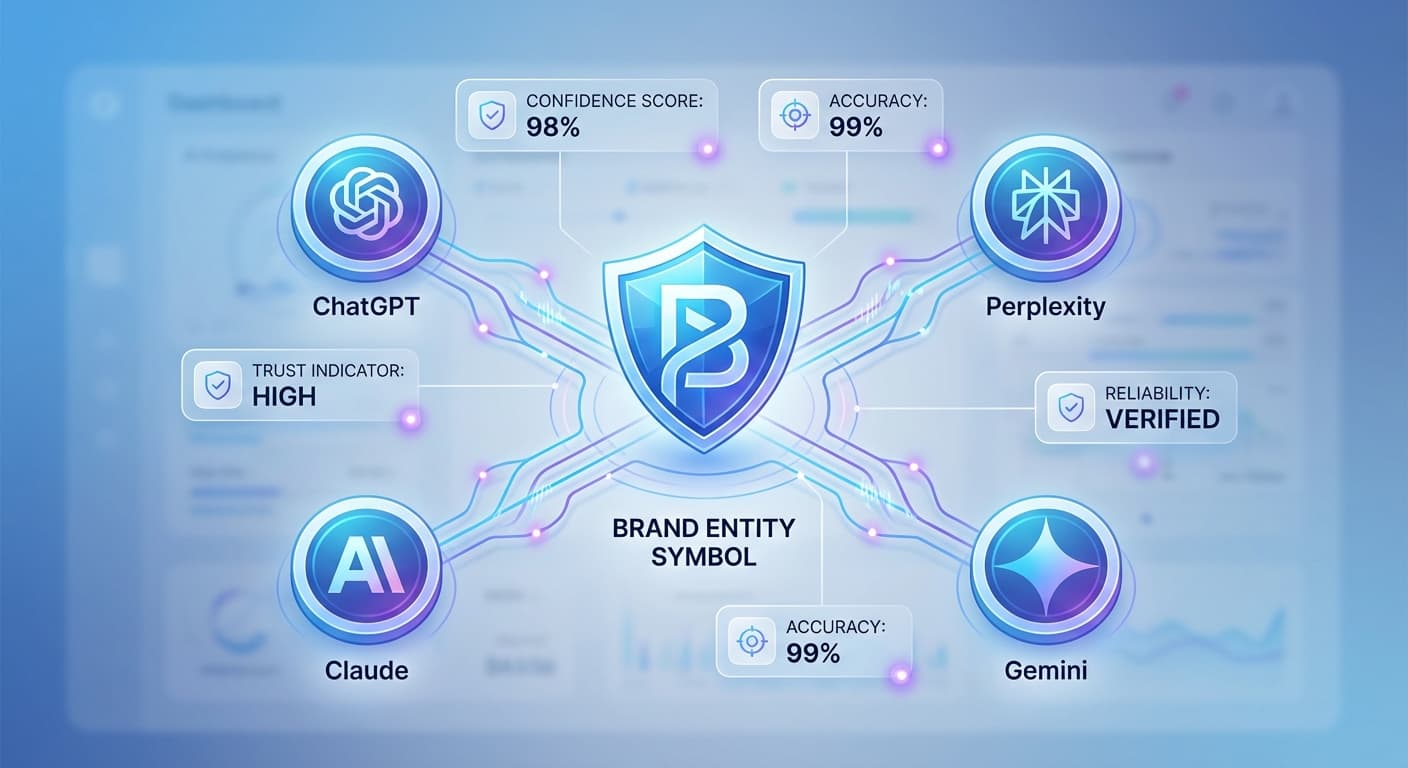
Building an AI readiness framework from scratch can be overwhelming. Citescope Ai simplifies this process by automatically analyzing your content across all five critical dimensions, providing a comprehensive GEO Score from 0-100. The platform's AI Rewriter can optimize your content with a single click, while the Citation Tracker monitors your performance across ChatGPT, Perplexity, Claude, and Gemini.
With multi-format export capabilities, you can seamlessly implement optimized content across different platforms. The tool essentially automates the entire framework we've outlined, saving hundreds of hours while delivering more accurate results than manual analysis.
Building for the AI-First Future
As AI search continues to dominate—with projections showing it will account for 50%+ of all queries by 2027—having a robust AI readiness framework isn't optional. It's the foundation for content success in an AI-driven world.
Start with a pilot program on your top 20-30 pages, refine your approach based on results, then scale across your entire content library. The brands that master AI optimization now will dominate the citation landscape for years to come.
Ready to Optimize for AI Search?
Traditional content audits are dead. The future belongs to AI-ready content that gets cited, shared, and trusted by the platforms shaping how people find information. Citescope Ai makes building and implementing your AI readiness framework effortless, with automated analysis, one-click optimization, and comprehensive citation tracking. Start your free trial today and discover which of your pages are already winning in the AI era—and how to optimize the rest.