How to Build an AI-Driven Checkout Visibility Strategy for the Zero-Click Search Era
How to Build an AI-Driven Checkout Visibility Strategy for the Zero-Click Search Era
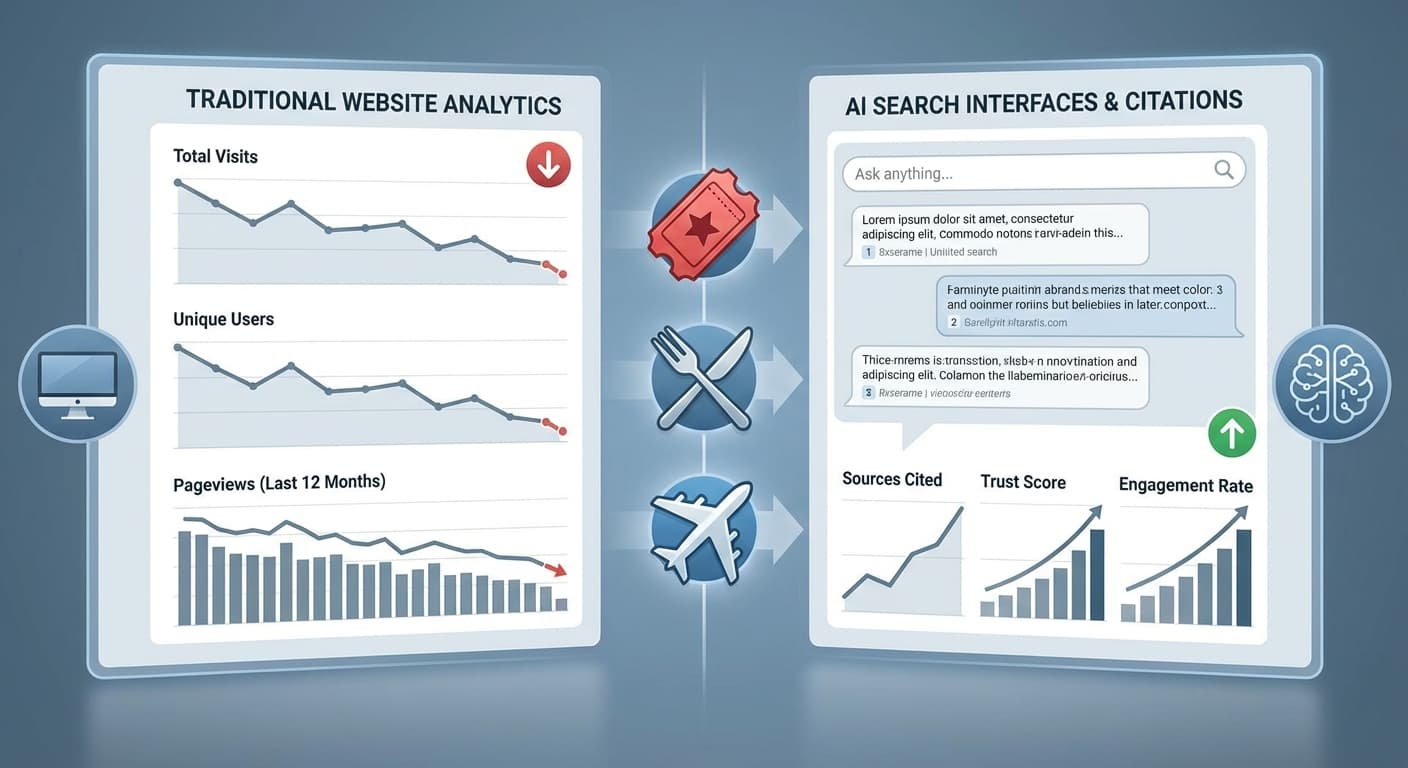
The digital landscape has fundamentally shifted. With 83% of AI search queries now completing without clicks in 2026, and OpenAI and Google launching self-serve advertising units inside ChatGPT and AI Overviews, the traditional "click-to-convert" model is dying. For e-commerce businesses, this presents both a crisis and an unprecedented opportunity.
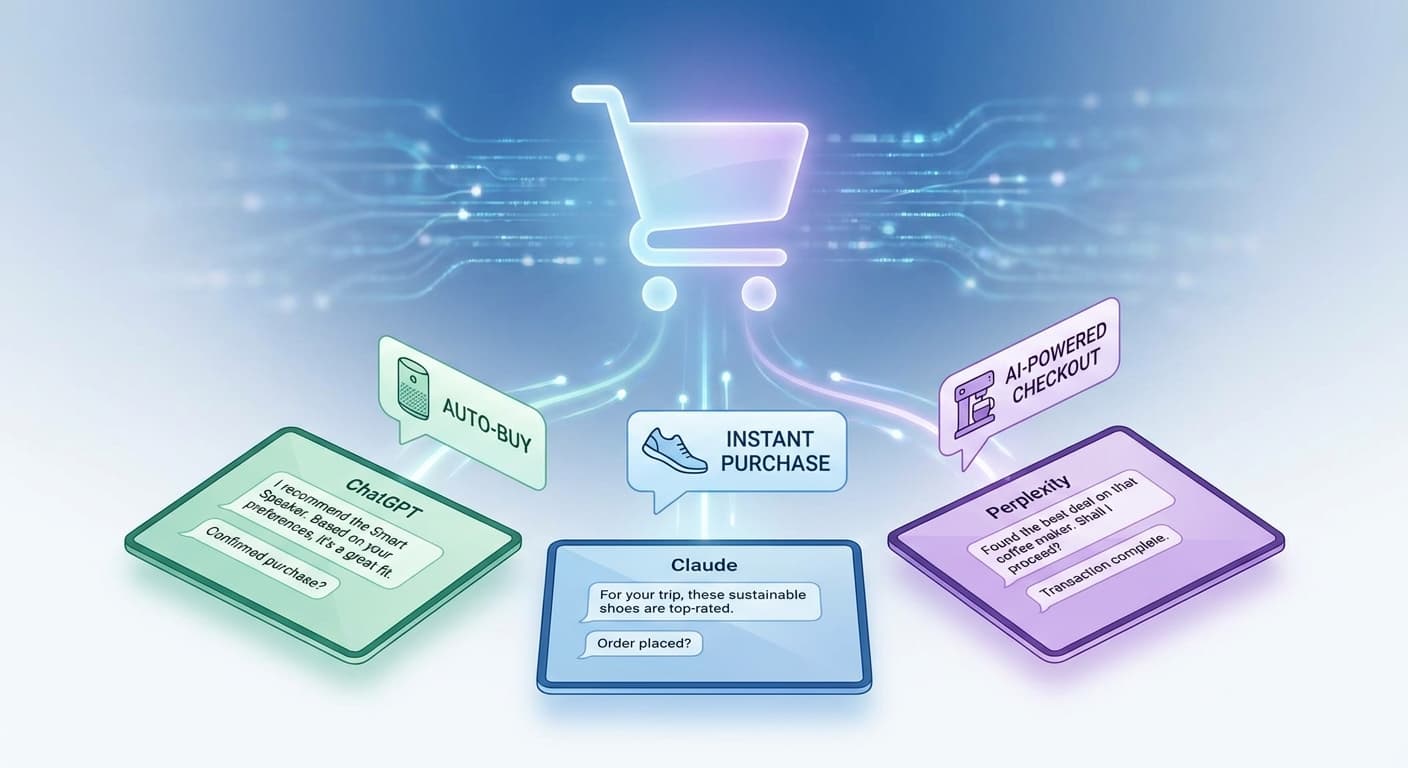
The question isn't whether AI search will dominate—it already does. With over 650 million weekly ChatGPT users and AI search accounting for 37% of all queries in 2026, the question is: how do you capture checkout visibility when customers never leave their AI interface?
The New Reality: AI-Native Commerce
Why Traditional E-commerce Strategies Are Failing
Traditional e-commerce relies on a simple funnel: awareness → click → browse → purchase. But AI search engines are disrupting each step:
The Opportunity Hidden in Plain Sight
While 83% of queries don't result in clicks, they still influence purchasing decisions. AI search engines are becoming the new "shop window" where brand visibility and product positioning matter more than ever.
Core Components of an AI-Driven Checkout Visibility Strategy
1. Product Information Architecture for AI Consumption
AI search engines need structured, semantic product data to recommend your items. This means rethinking how you organize product information:
Essential Product Data Points:
Example Structure:
Product: Wireless Noise-Canceling Headphones
Best for: Frequent travelers, remote workers in noisy environments
Key advantage: 40-hour battery life outlasts any flight
Price point: Mid-range alternative to premium brands
Unique feature: Adaptive noise cancellation adjusts to environment automatically
2. AI-Optimized Content Clusters
Create content ecosystems that position your products as solutions within AI conversations:
Intent-Based Content Mapping:
3. Citation-Worthy Authority Building
AI search engines prioritize authoritative sources. Build citation-worthy content that AI models reference:
4. Conversational Commerce Optimization
Optimize for the way people naturally ask about products in AI conversations:
Natural Query Patterns:
Tactical Implementation Framework
Phase 1: AI Visibility Audit (Week 1-2)
Assess Current AI Presence:
Tools and Techniques:
Phase 2: Content Optimization Strategy (Week 3-6)
Restructure Existing Content:
Create AI-Native Content:
Phase 3: Authority and Citation Building (Ongoing)
Establish Topical Authority:
Optimize for AI Citations:
Advanced Strategies for the Self-Serve Ad Era
Preparing for AI Search Advertising
With OpenAI and Google launching self-serve ad units in 2026, prepare your strategy:
Ad-Ready Content Assets:
Budget Allocation Strategy:
Measuring Success in a Zero-Click World
New KPIs for AI Visibility:
Attribution Challenges and Solutions:
How Citescope Ai Helps
Navigating this new landscape requires specialized tools designed for AI search optimization. Citescope Ai provides the infrastructure to build and measure your AI-driven visibility strategy:
GEO Score Analysis evaluates your content across five critical dimensions that AI search engines prioritize: AI Interpretability, Semantic Richness, Conversational Relevance, Structure, and Authority. This gives you a clear 0-100 score showing how well your content performs for AI consumption.
AI Rewriter transforms your existing product descriptions and content with one-click optimization, restructuring everything for maximum AI visibility without losing your brand voice.
Citation Tracker monitors when your content gets referenced by ChatGPT, Perplexity, Claude, and Gemini, giving you real-time visibility into your AI search performance.
Future-Proofing Your Strategy
Emerging Trends to Watch
Multimodal Commerce: AI search engines increasingly process images, videos, and audio. Optimize visual product content for AI interpretation.
Personalized AI Shopping: AI engines will customize recommendations based on user history. Develop content that works across different user personas and contexts.
Voice-First Commerce: As AI assistants become more sophisticated, optimize for voice-based product queries and recommendations.
Building Adaptive Systems
Continuous Optimization Framework:
Cross-Platform Consistency:
Ready to Optimize for AI Search?
The shift to AI-driven commerce isn't coming—it's here. With 83% of queries completing without clicks and AI platforms launching advertising solutions, businesses need specialized tools and strategies to maintain visibility in this new landscape.
Citescope Ai helps you navigate this transition with precision. Our GEO Score gives you clear visibility into how AI search engines interpret your content, while our Citation Tracker shows you exactly when and how your brand appears in AI responses. Start with our free tier (3 optimizations per month) and experience how AI-optimized content transforms your visibility.
Start your free trial today and ensure your products remain discoverable in the AI-first future of commerce.