How to Build an AI Citation Velocity Scorecard: Stop the ChatGPT Disappearing Act
How to Build an AI Citation Velocity Scorecard: Stop the ChatGPT Disappearing Act
Here's a frustrating scenario that's become all too common in 2026: Your brand shows up in ChatGPT responses on Tuesday, gets cited by Perplexity on Wednesday, then completely vanishes from AI search results by Friday. Sound familiar?
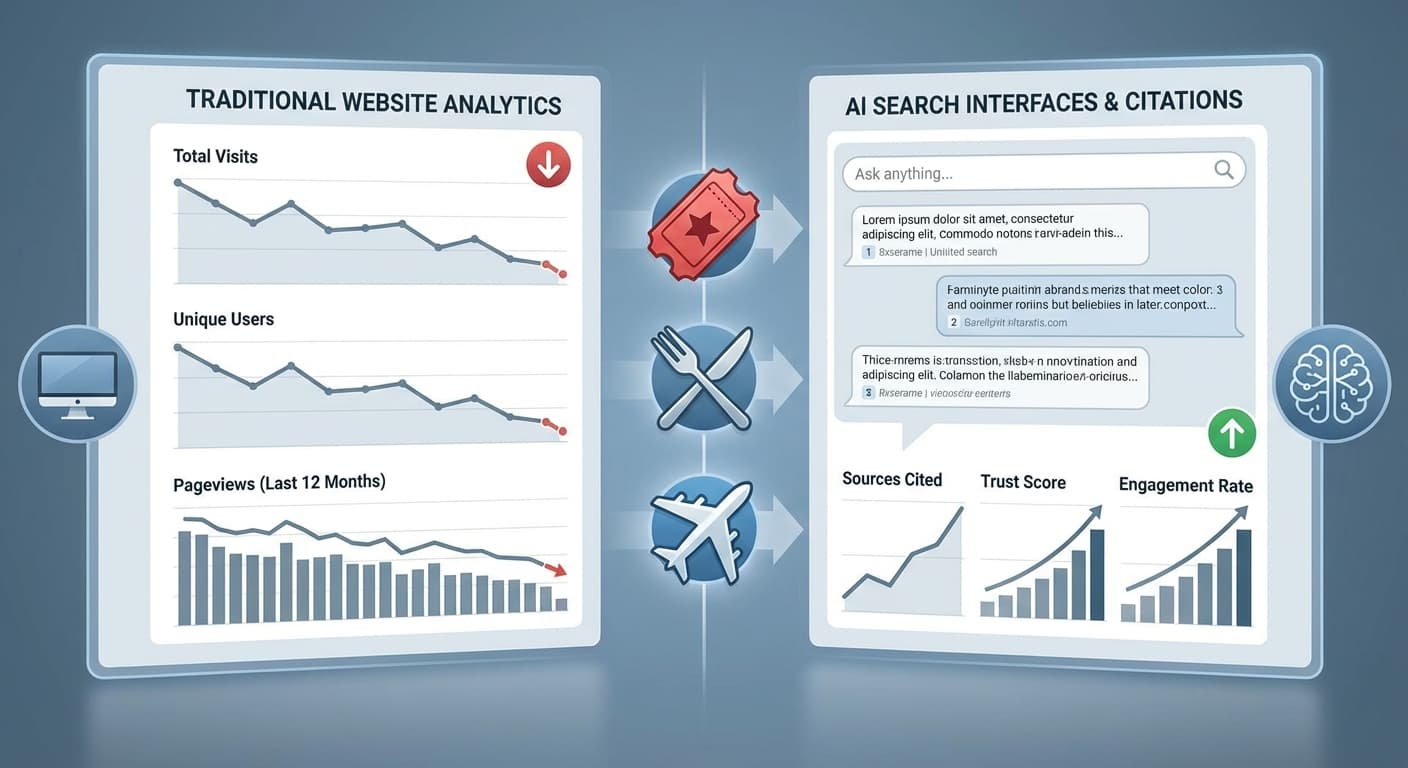
With AI search now accounting for over 35% of all online queries and 73% of Gen Z using AI tools for research, this visibility volatility isn't just annoying—it's a business-critical problem. Unlike traditional Google rankings that change gradually, AI citation patterns can shift dramatically overnight, leaving brands scrambling to understand what happened.
The solution? Building a systematic AI Citation Velocity Scorecard that tracks not just whether you're getting cited, but how consistently and predictably your brand appears across AI platforms.
Why AI Citation Consistency Matters More Than Ever
Traditional SEO taught us to focus on ranking positions, but AI search operates differently. When someone asks ChatGPT "What are the best project management tools?" or Claude "How do I improve team productivity?", these models don't just return a ranked list—they synthesize information and cite sources contextually.
This creates a new challenge: citation velocity. Your content might be technically optimized for AI, but if it's not consistently appearing in responses, you're missing out on the compound effect of repeated citations.
Recent data from 2025 shows that brands with consistent AI citation patterns see:
The 5 Core Metrics of AI Citation Velocity
1. Citation Frequency Score
Track how often your content gets cited across different AI platforms over time. This isn't just about volume—it's about consistency.
How to calculate:
Benchmarks:
2. Platform Diversity Index
Measure how evenly your citations are distributed across AI platforms. Over-reliance on one platform creates vulnerability.
Formula: 1 - (Sum of squared proportions of citations per platform)
Example:
Diversity Index = 1 - (0.6² + 0.25² + 0.1² + 0.05²) = 0.545
Target: Above 0.6 for optimal diversification
3. Citation Context Quality
Not all citations are created equal. Track whether your brand appears as a primary source, supporting reference, or passing mention.
Quality weights:
4. Temporal Consistency Rate
Measure the predictability of your citations over time. Wild fluctuations indicate optimization issues.
Calculation:
Targets:
5. Response Relevance Alignment
Evaluate how well your citations match the user's query intent. This requires manual review but provides crucial insights.
Scoring:
Building Your Scorecard: Step-by-Step Implementation
Week 1: Establish Baseline Measurements
Week 2: Gather Initial Data
Week 3: Calculate Your Baseline Scorecard
Use this weighted formula for your overall Citation Velocity Score:
CV Score = (Frequency × 0.25) + (Diversity × 0.20) + (Quality × 0.25) + (Consistency × 0.20) + (Relevance × 0.10)
Week 4: Identify Optimization Opportunities
Analyze patterns in your data:
Advanced Scorecard Strategies for 2026
Predictive Citation Modeling
Use your historical data to forecast citation patterns:
Cross-Platform Citation Clustering
Analyze when citations appear simultaneously across platforms:
Citation Attribution Analysis
Track which specific pieces of content drive the most citations:
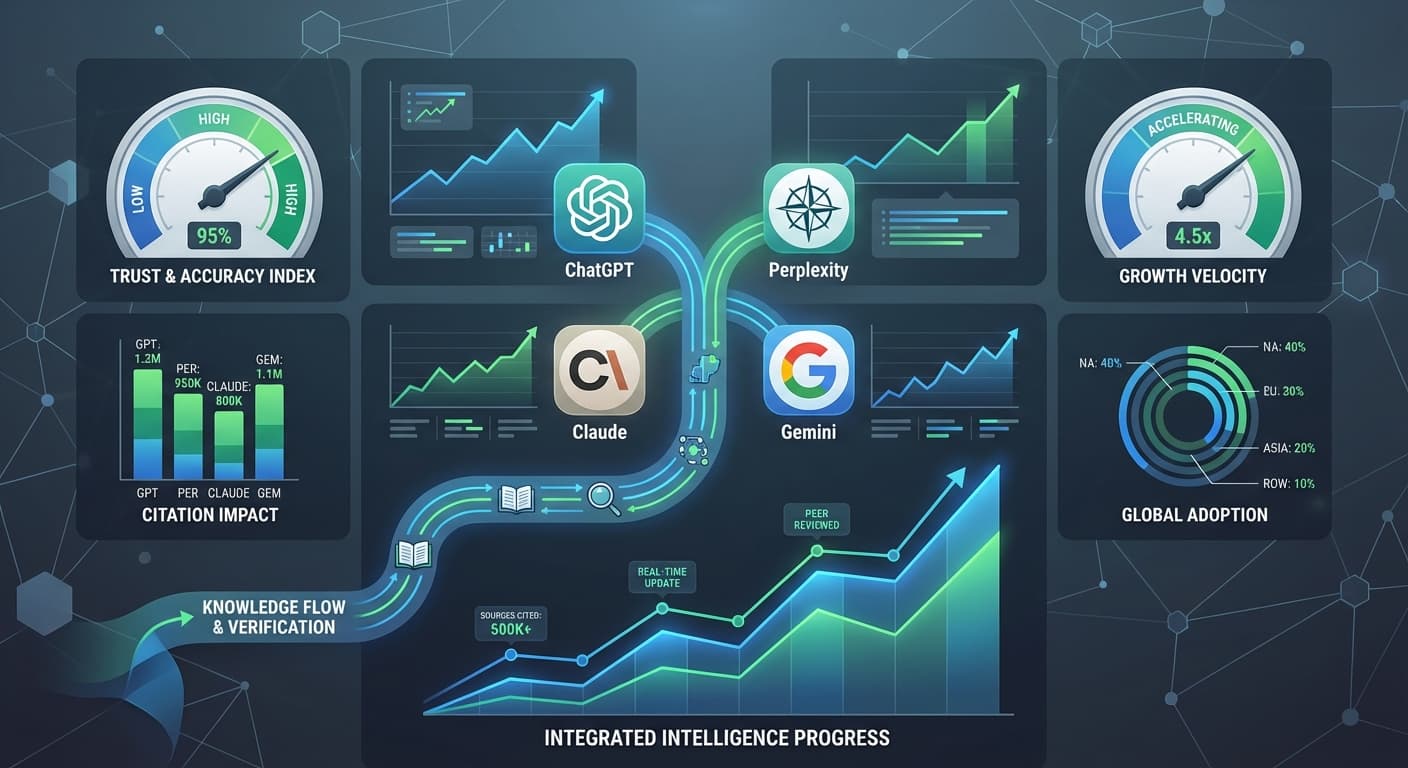
Tools like Citescope Ai can automate much of this analysis, providing real-time citation tracking across all major AI platforms and calculating your GEO Score—a comprehensive metric that evaluates your content across five critical dimensions for AI visibility.
Common Citation Velocity Killers (And How to Fix Them)
1. Outdated Information
Problem: AI models prioritize current, accurate information
Solution: Implement quarterly content audits and update statistics, examples, and references
2. Poor Semantic Structure
Problem: AI models struggle to parse poorly organized content
Solution: Use clear headings, bullet points, and logical information hierarchy
3. Lack of Authoritative Signals
Problem: Content without credibility markers gets ignored
Solution: Include citations, author credentials, publication dates, and fact-checking
4. Generic or Obvious Information
Problem: AI models favor unique insights over common knowledge
Solution: Focus on proprietary data, unique methodologies, and original research
How Citescope Ai Helps
Building and maintaining an AI Citation Velocity Scorecard manually is time-intensive and prone to errors. Citescope Ai streamlines this process by:
The platform's Citation Tracker provides real-time alerts when your citation velocity drops, allowing for immediate optimization rather than waiting for monthly reports.
Implementing Your Scorecard: Action Plan for This Week
Ready to Optimize for AI Search?
Building an AI Citation Velocity Scorecard is essential for maintaining consistent visibility in 2026's AI-dominated search landscape. While manual tracking provides valuable insights, automated tools like Citescope Ai can accelerate your optimization efforts and provide the real-time intelligence you need to stay ahead.
Start building your scorecard today with Citescope Ai's free tier, which includes 3 content optimizations per month and basic citation tracking. See exactly how your content performs across AI platforms and get actionable recommendations for improvement.