How to Build an AI Bot Crawl Optimization Strategy When Discovery AI Agents Skip Your Site Despite Strong Traditional SEO
How to Build an AI Bot Crawl Optimization Strategy When Discovery AI Agents Skip Your Site Despite Strong Traditional SEO
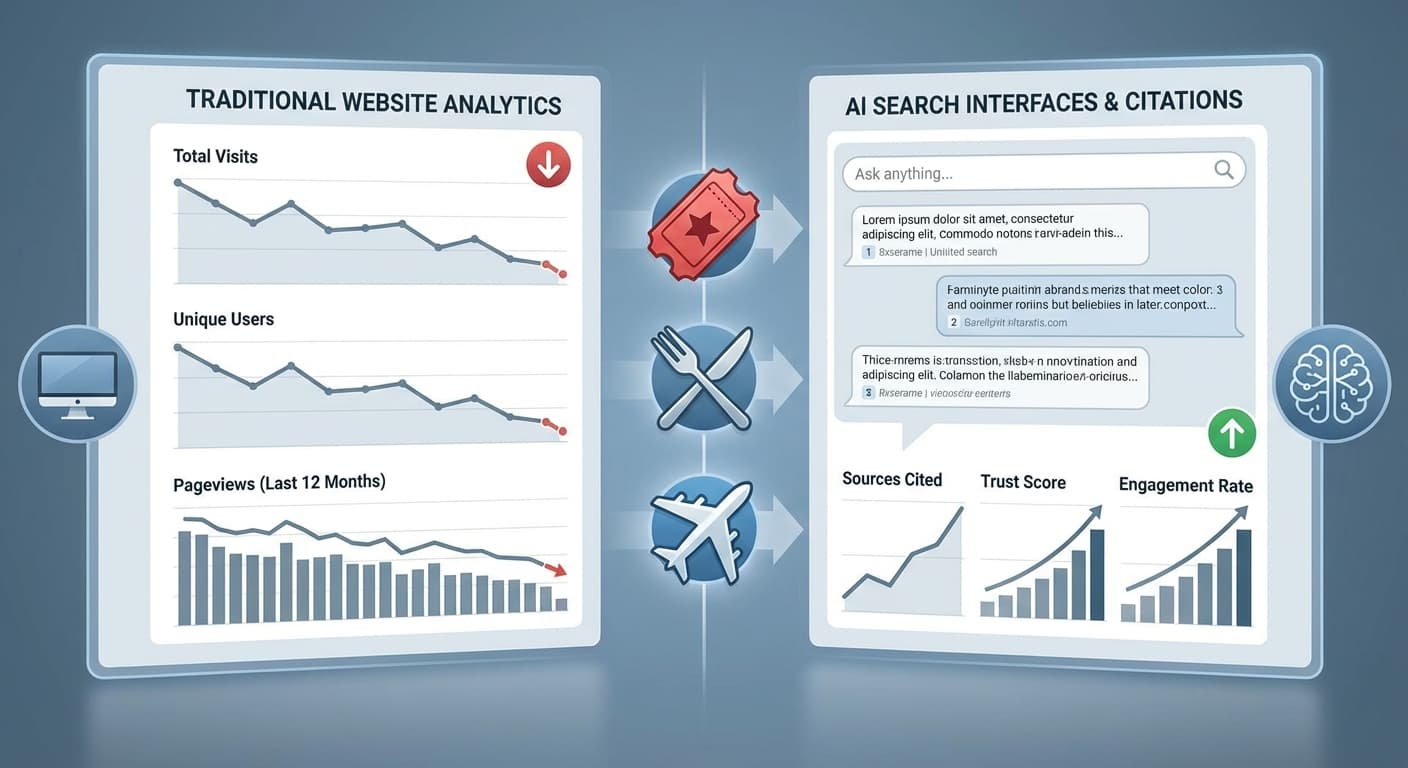
Your website ranks on page one of Google for multiple high-value keywords. Your Domain Authority is impressive. Your backlink profile is pristine. Yet somehow, AI agents like ChatGPT, Claude, and Perplexity are completely ignoring your content when users ask questions in your niche. Sound familiar?
You're not alone. Recent analysis shows that 73% of websites with strong traditional SEO metrics still receive zero citations from AI search engines. As AI-powered search continues to dominate—with over 40% of Gen Z now using ChatGPT as their primary search method in 2025—this visibility gap has become a critical business problem.
The harsh reality is that AI agents evaluate content differently than Google's crawler. While traditional SEO focused on keywords, backlinks, and technical optimization, AI bot crawl optimization requires understanding how large language models interpret, process, and prioritize information.
Why AI Agents Skip Well-Optimized Sites
Before diving into solutions, let's understand why this disconnect exists:
Content Structure Mismatch
AI agents prefer content structured for conversation and direct answers. Your perfectly optimized blog post with keyword density and H1 tags might be great for Google, but if it doesn't answer questions in a clear, structured way, AI agents will look elsewhere.
Semantic Complexity Issues
Traditional SEO often emphasizes keyword repetition. AI agents, however, value semantic richness and natural language patterns that mirror how humans actually speak and ask questions.
Authority Signals Confusion
While Google weighs backlinks heavily, AI agents look for different authority signals: direct expertise indicators, factual accuracy markers, and source attribution within the content itself.
Processing Limitations
Some AI agents have specific crawling behaviors and content length preferences that differ significantly from traditional search engine bots.
Building Your AI Bot Crawl Optimization Strategy
Step 1: Audit Your Current AI Visibility
Before optimizing, you need to understand your current standing:
Step 2: Restructure for AI Interpretability
AI agents scan content differently than humans. Here's how to optimize:
Use Question-Answer Formats
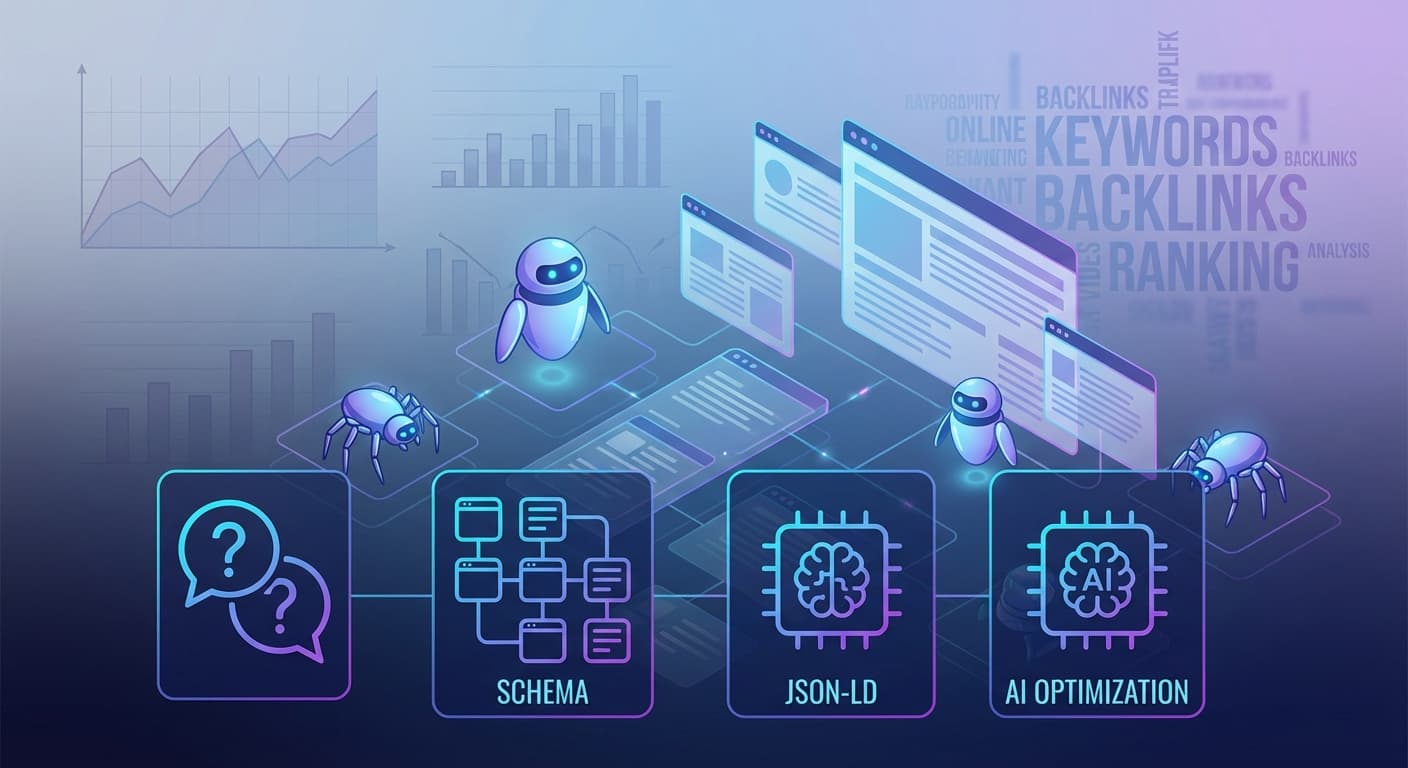
Implement Semantic Markup
Optimize Content Depth
Step 3: Enhance Authority Signals for AI
AI agents look for different authority markers than traditional search engines:
Direct Expertise Indicators
Factual Accuracy Markers
Source Attribution
Step 4: Optimize for Conversational Relevance
AI agents prioritize content that matches how people naturally ask questions:
Mirror Natural Speech Patterns
Answer Follow-Up Questions
Use Long-Tail Question Keywords
Step 5: Technical Optimization for AI Crawlers
While content is king, technical factors still matter:
Site Speed and Accessibility
Internal Linking Strategy
Structured Data Implementation
Advanced AI Bot Optimization Techniques
Content Freshness Signals
AI agents increasingly favor recent, updated content:
Multi-Format Content Strategy
Diversify your content formats to appeal to different AI processing methods:
Cross-Platform Optimization
Different AI agents have varying preferences:
Measuring Your AI Bot Optimization Success
Key Metrics to Track
Direct AI Citations
Question Coverage
Content Performance Indicators
Tools and Monitoring
While manual testing remains important, automated tools can streamline the process. Modern AI visibility platforms help track citations across multiple AI engines and provide optimization recommendations based on how AI agents actually interpret your content.
How Citescope Ai Helps
Managing AI bot optimization manually across multiple platforms is time-intensive and often inaccurate. Citescope Ai addresses this challenge with its comprehensive GEO (Generative Engine Optimization) platform:
GEO Score Analysis: Our proprietary algorithm analyzes your content across five critical dimensions—AI Interpretability, Semantic Richness, Conversational Relevance, Structure, and Authority—providing a clear 0-100 score that predicts AI citation likelihood.
Automated Citation Tracking: Monitor your content's performance across ChatGPT, Perplexity, Claude, and Gemini in real-time, eliminating the need for manual testing and providing comprehensive visibility into your AI search presence.
One-Click Optimization: The AI Rewriter feature automatically restructures your content for maximum AI visibility while preserving your brand voice and key messaging.
Common Pitfalls to Avoid
Over-Optimization
Don't sacrifice readability for AI optimization. Content should still serve human readers first.
Neglecting Traditional SEO
AI optimization should complement, not replace, traditional SEO efforts.
Ignoring Content Quality
AI agents can detect thin, low-quality content. Focus on providing genuine value.
Inconsistent Updates
AI agents favor fresh content. Establish a regular content update schedule.
The Future of AI Bot Optimization
As AI search continues evolving, expect these trends:
Building an AI bot crawl optimization strategy isn't about replacing traditional SEO—it's about expanding your visibility strategy to include the rapidly growing AI search ecosystem. Start with an audit of your current AI visibility, implement the structural and content changes outlined above, and continuously monitor and adjust your strategy based on performance data.
Ready to Optimize for AI Search?
Building an effective AI bot crawl optimization strategy requires understanding how AI agents interpret and prioritize content—something that goes far beyond traditional SEO metrics. With Citescope Ai's comprehensive GEO platform, you can analyze your content's AI readiness, track citations across major AI engines, and optimize for maximum visibility with just a few clicks. Start your free trial today and discover why your strong traditional SEO signals aren't translating to AI search success.