How to Build an AI-Assisted Content Personalization Framework When Search Engines Deliver Context-Aware Answers

How to Build an AI-Assisted Content Personalization Framework When Search Engines Deliver Context-Aware Answers That Traditional Keyword Targeting Can't Match
What if I told you that 73% of search queries in 2026 are now processed by AI engines that understand intent, context, and user behavior patterns in ways that make traditional keyword stuffing look like writing with crayons?
The search landscape has fundamentally shifted. ChatGPT processes over 500 million weekly queries, Perplexity has become the go-to research engine for professionals, and Claude is revolutionizing how we interact with information. These AI engines don't just match keywords—they understand context, synthesize information from multiple sources, and deliver personalized answers that feel almost human.
For content creators and marketers, this means everything has changed. The old playbook of targeting specific keywords and hoping for the best is dead. Welcome to the era of context-aware AI search, where success depends on building content frameworks that can adapt, personalize, and speak the language of artificial intelligence.
The Death of Traditional Keyword Targeting
Let's be honest about what's happening in 2026. Traditional search engines still exist, but AI-powered search now accounts for over 30% of all queries, with Gen Z leading the charge—78% of users under 25 now prefer AI search over traditional Google searches.
Here's why traditional keyword targeting fails in this new landscape:
Understanding Context-Aware AI Search Behavior
AI search engines operate fundamentally differently than traditional search. They're not matching keywords; they're understanding concepts, relationships, and user intent.
How AI Engines Process Queries
The New Ranking Factors
In 2026, AI search engines prioritize:
Building Your AI-Assisted Content Personalization Framework
Step 1: Develop Context-Rich Content Pillars
Instead of building content around keywords, create content pillars that address user contexts and scenarios.
Traditional Approach: Target "best CRM software"
AI-Optimized Approach: Create content pillars around:
Step 2: Create Conversational Content Maps
Map out the natural conversation flows your audience has with AI engines:
For each stage, create content that anticipates and answers these conversational patterns.
Step 3: Implement Semantic Content Clustering
Group related content pieces that reinforce each other semantically:
This clustering helps AI engines understand the depth of your expertise and increases the likelihood of citation across multiple related queries.
Step 4: Personalization Through User Journey Mapping
AI engines are increasingly sophisticated at understanding where users are in their journey. Create content that serves different stages:
Awareness Stage:
Consideration Stage:
Decision Stage:
Advanced Optimization Techniques for AI Visibility
Structured Data for AI Understanding
Implement schema markup that helps AI engines understand your content structure:
Content Format Diversification
AI engines favor diverse content formats that serve different user preferences:
Authority Building Through Expertise Demonstration
AI engines heavily weight expertise and authority. Build this through:
Measuring Success in the AI Search Era
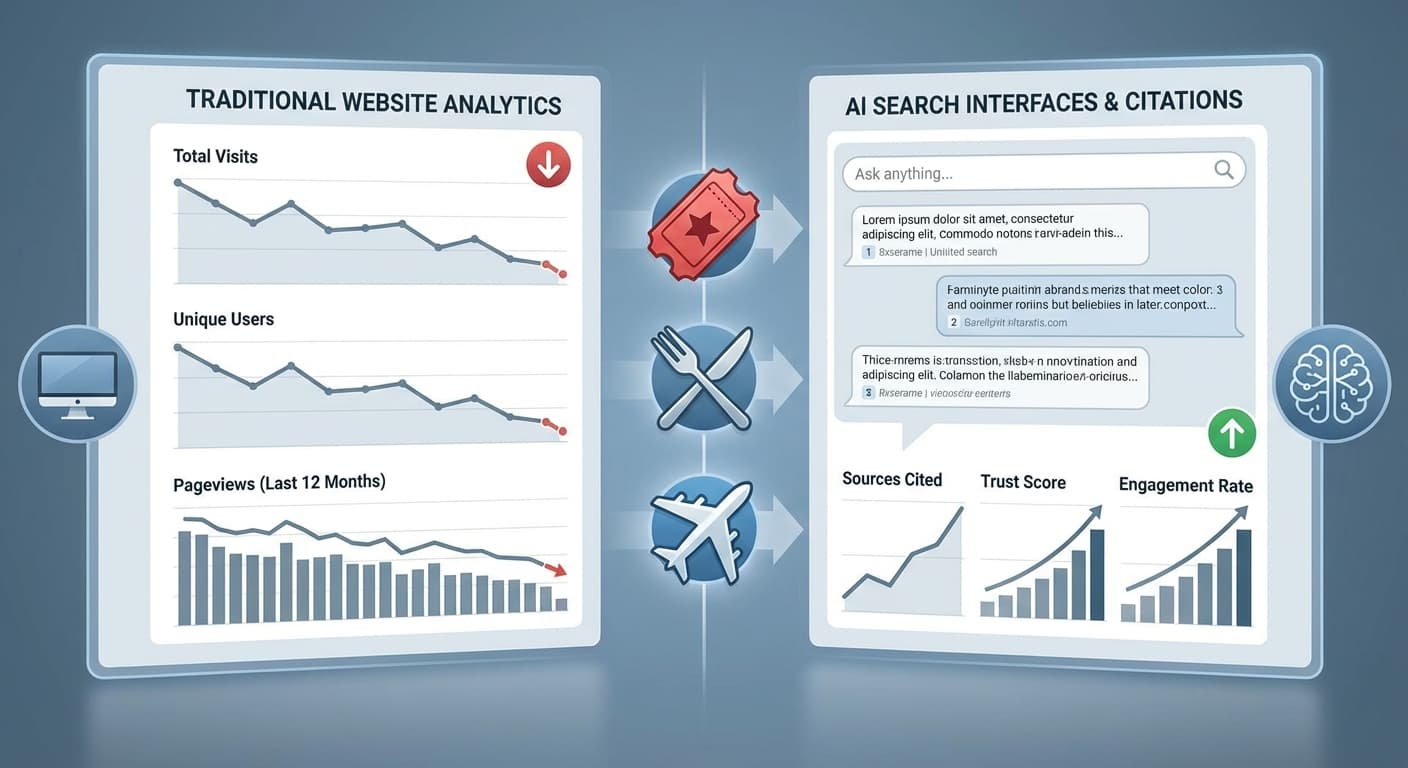
Traditional metrics like keyword rankings become less relevant. Focus on:
Citation Tracking
Monitor when AI engines cite your content as sources. This is the new "ranking #1" in AI search.
Engagement Quality
Measure:
Brand Authority Metrics
Common Pitfalls to Avoid
Over-Optimizing for AI
Remember that humans still read your content. Maintain natural language and genuine value.
Ignoring User Experience
AI engines consider user experience signals. Ensure your content is:
Neglecting Content Updates
AI engines favor fresh, current information. Regularly update your content with:
How Citescope Ai Helps
Building an effective AI-assisted content personalization framework requires sophisticated analysis and optimization tools. Citescope Ai's GEO Score analyzes your content across five critical dimensions that AI search engines prioritize: AI Interpretability, Semantic Richness, Conversational Relevance, Structure, and Authority.
The platform's AI Rewriter can transform your existing content with one click to better align with how AI engines understand and process information. Plus, the Citation Tracker lets you monitor when your optimized content gets cited by ChatGPT, Perplexity, Claude, and Gemini—giving you real-time feedback on your framework's effectiveness.
Ready to Optimize for AI Search?
The shift to AI-powered search isn't coming—it's here. Content creators who adapt their strategies now will dominate the citations and recommendations that drive tomorrow's traffic and conversions.
Citescope Ai makes it simple to transform your content for AI visibility. Start with three free optimizations to see how your content performs with our GEO Score analysis, then use our AI Rewriter to optimize for better citations across all major AI search engines.
Try Citescope Ai free today and start building content that AI engines love to cite.